



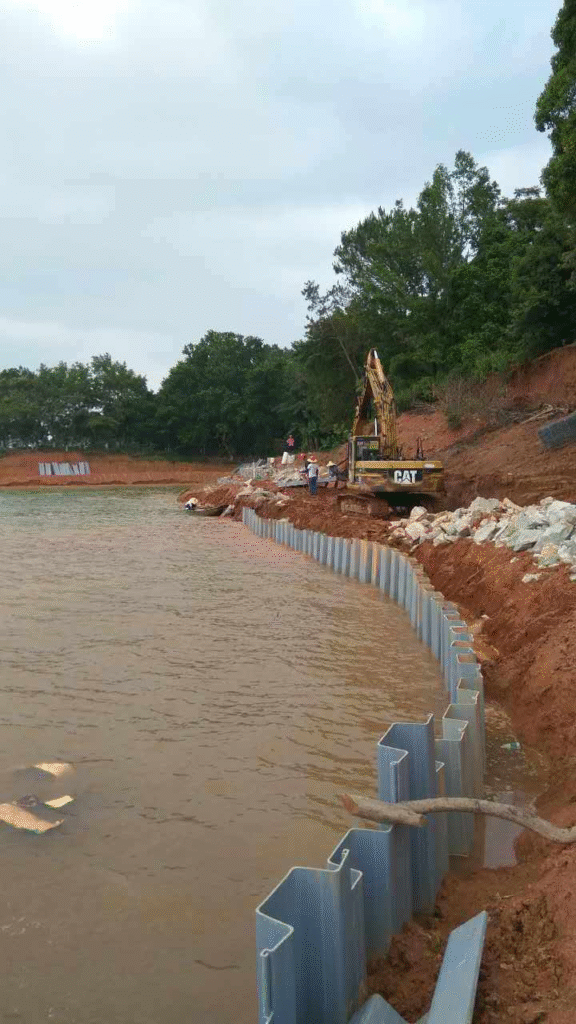
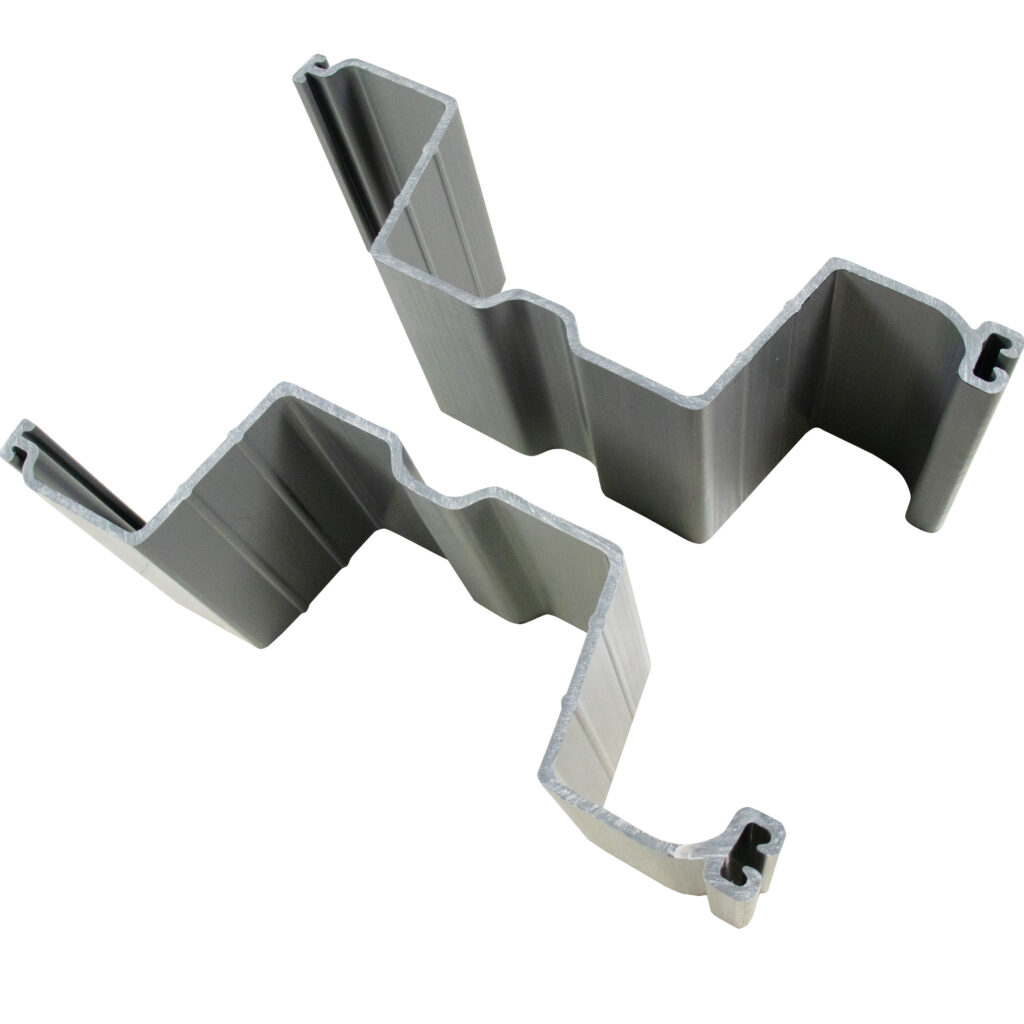
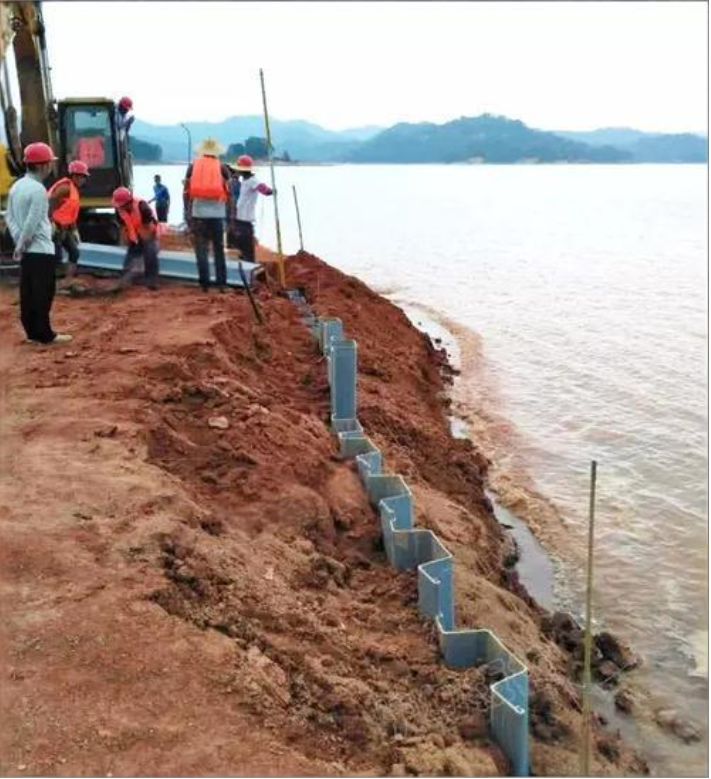
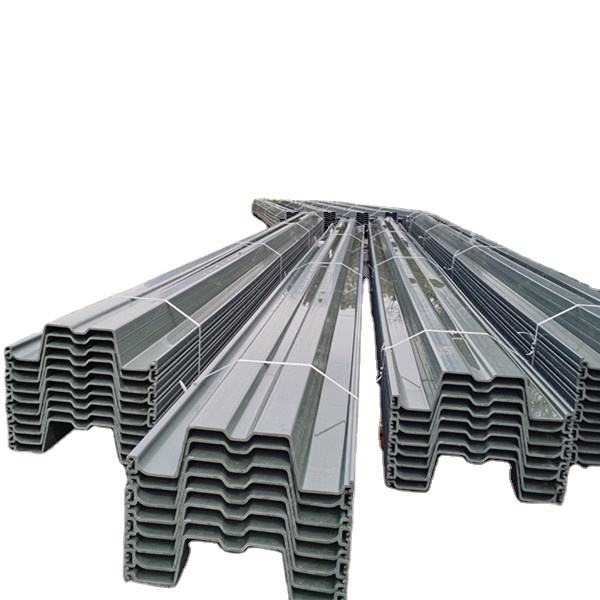
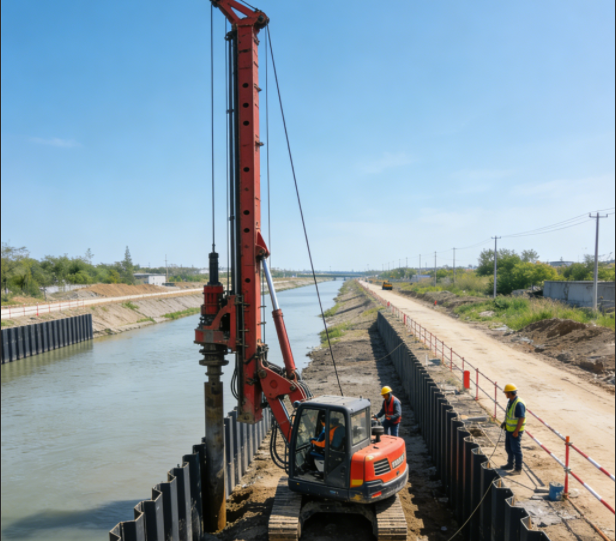
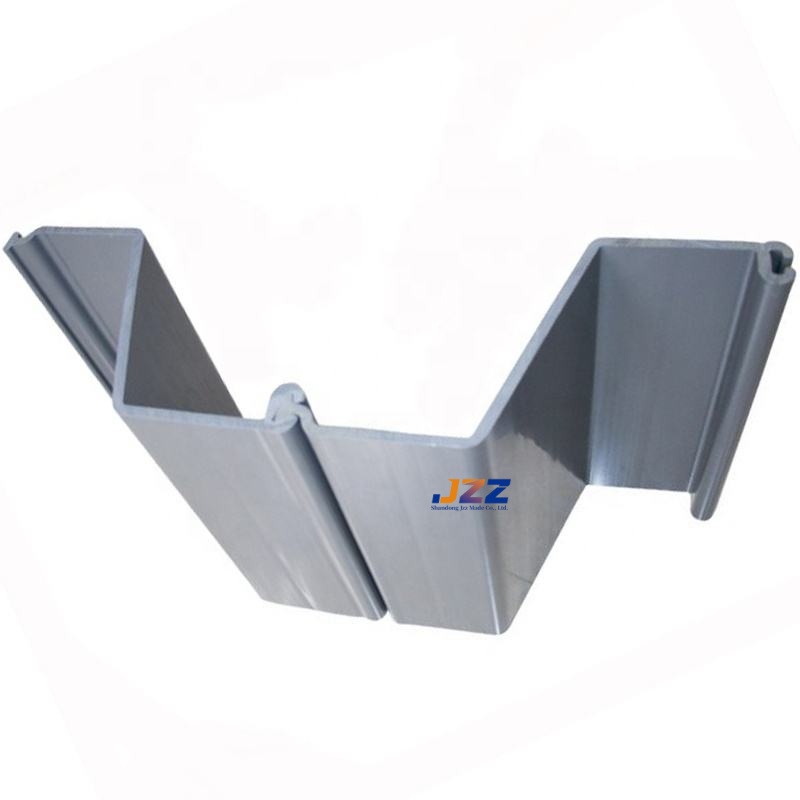
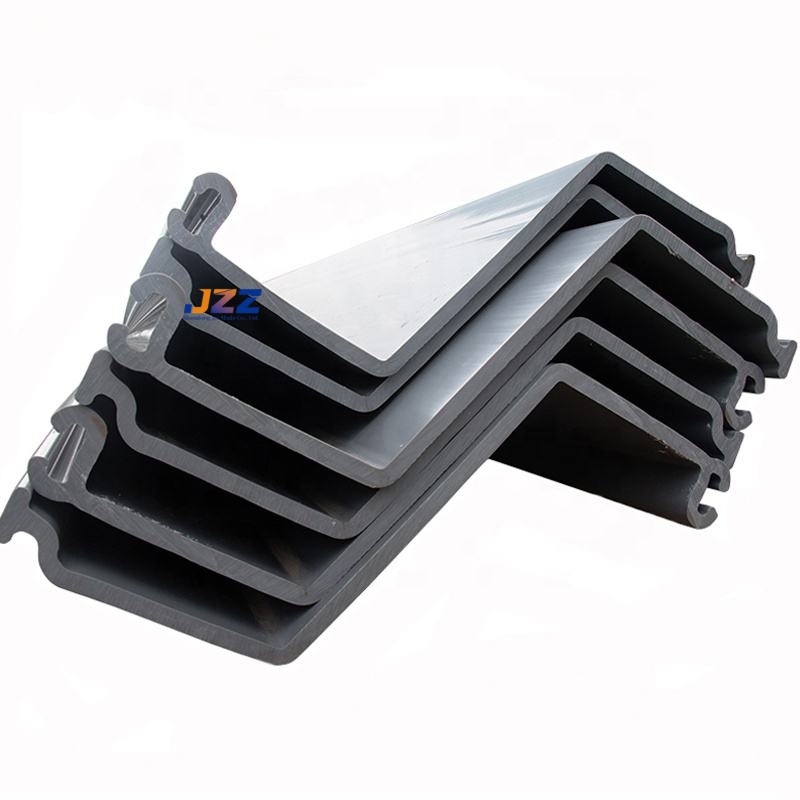
In special environments (such as seawater, chemical wastewater, and highly saline-alkaline soils), maintenance of plastic steel sheet piles requires stricter and more targeted measures to ensure their long-term performance and structural safety.Specific maintenance recommendations are as follows:
1. Corrosive Environments (e.g., seawater, chemical wastewater) • Anti-corrosion coating inspection: Inspect the integrity of surface anti-corrosion coatings (e.g., epoxy resin, polyurethane coatings) every 3 months. Repair any damage promptly. Cathodic Protection: In highly corrosive environments, consider installing sacrificial anodes or impressed current cathodic protection systems. Biofouling Removal: Regularly clean marine organisms (e.g., shellfish, algae) attached to sheet pile surfaces to prevent accelerated localized corrosion.
2. High Salinity or Acidic/Alkaline Environments Material Selection: Prioritize corrosion-resistant plastic-steel composite materials (e.g., glass fiber reinforced). Sealing Treatment: Seal connection points (e.g., interlocks, bolts) to prevent salt/alkali penetration. Rinsing Maintenance: Periodically flush surface salt deposits with fresh water to reduce crystallization corrosion.
3. Low-Temperature or Freeze-Thaw Environments Frost-Resistant Materials: Select plastic-steel sheet piles with good low-temperature toughness to prevent freeze cracking. Drainage Design: Ensure unobstructed drainage around sheet piles to prevent deformation caused by water accumulation and freeze expansion.
4. Dynamic Load Environments (e.g., Rivers, Docks) Fastener Reinforcement: Inspect the tightness of locks or bolts every 6 months, replacing them with high-strength connectors when necessary. Deformation Monitoring: Install displacement sensors or conduct regular manual measurements to promptly detect pile inclination or displacement.
5. Maintenance Records and Early Warning Establish maintenance archives, documenting the date, issues, and corrective actions for each inspection. Set up corrosion rate monitoring points in high-risk areas for early warning.