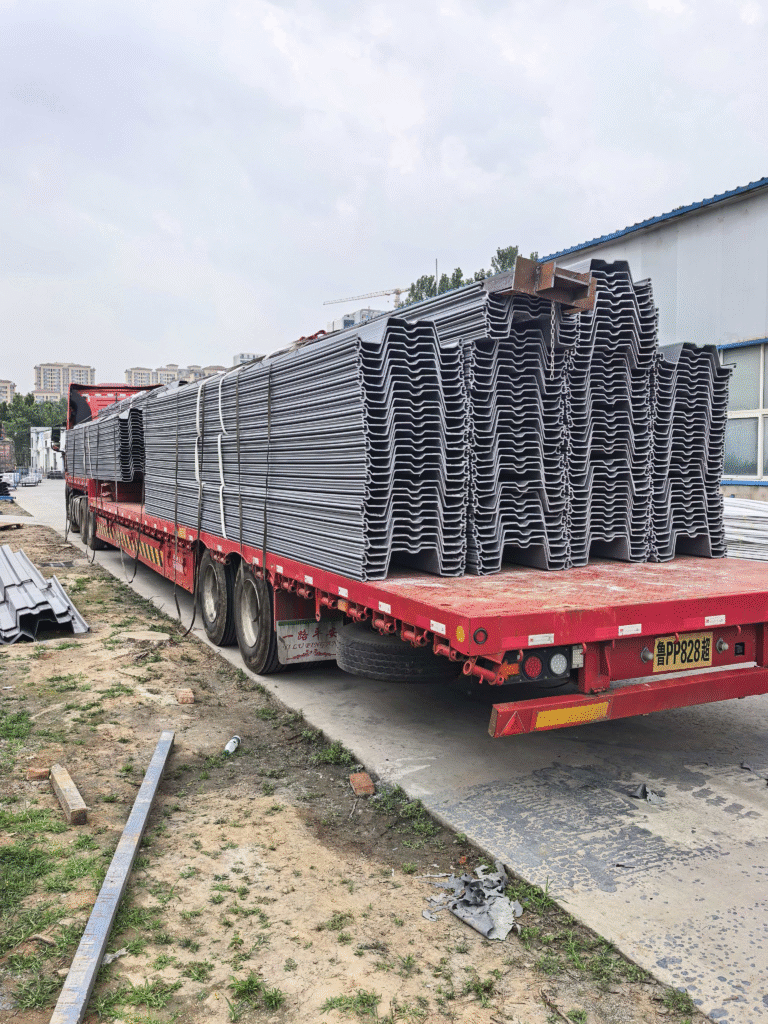
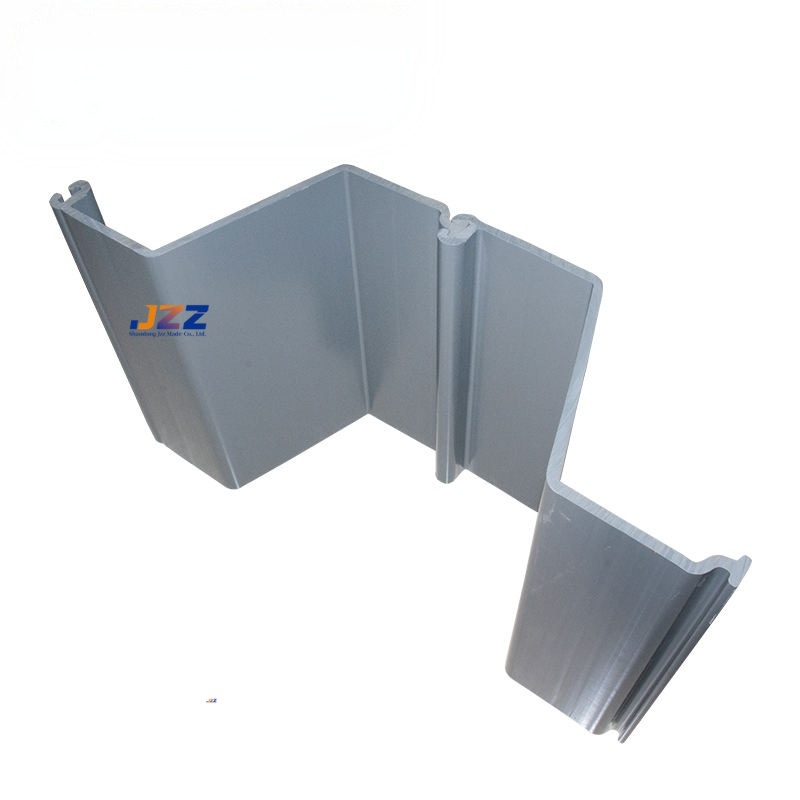
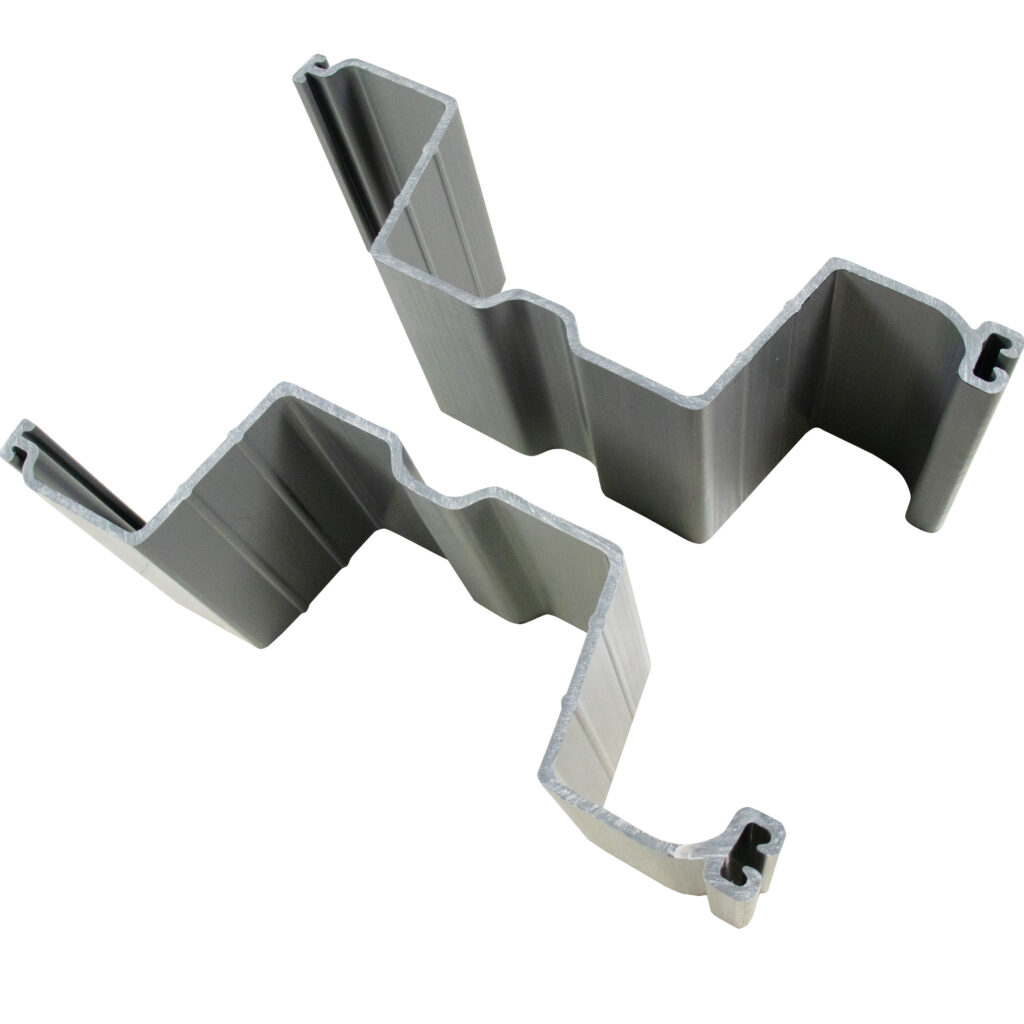
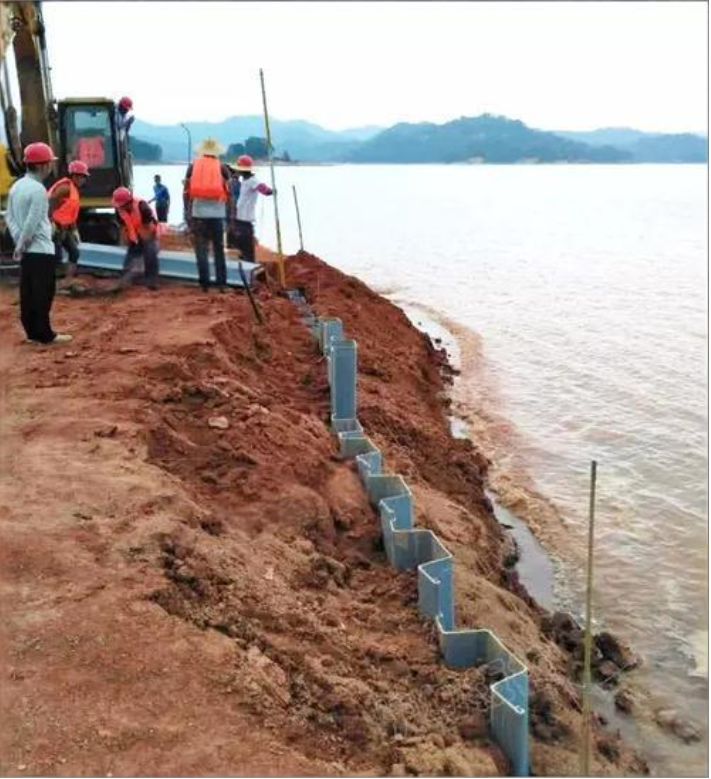
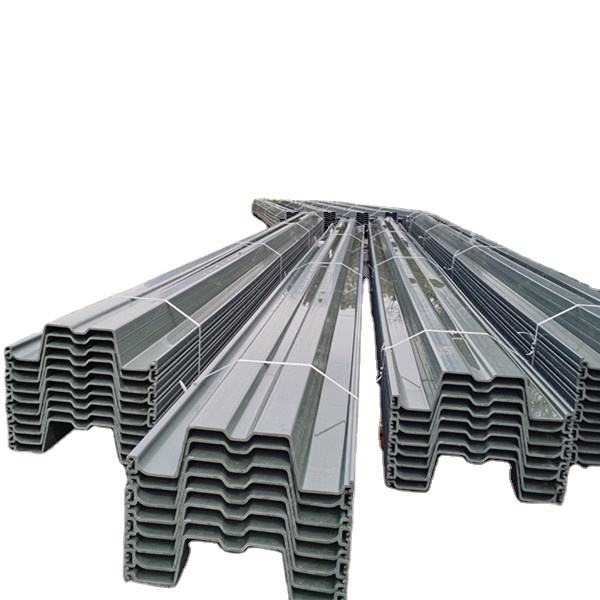
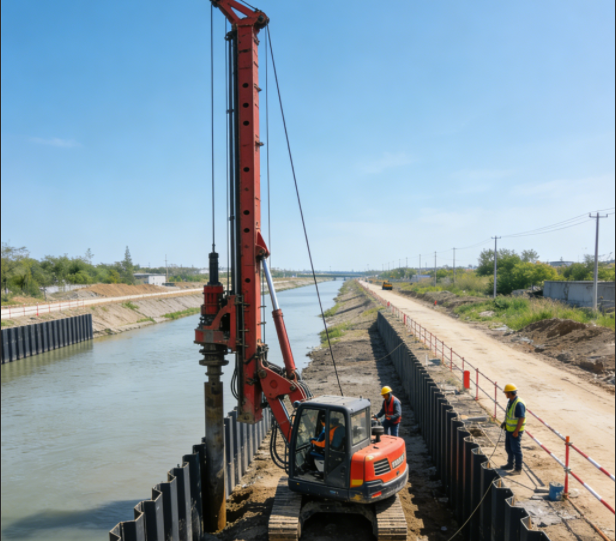
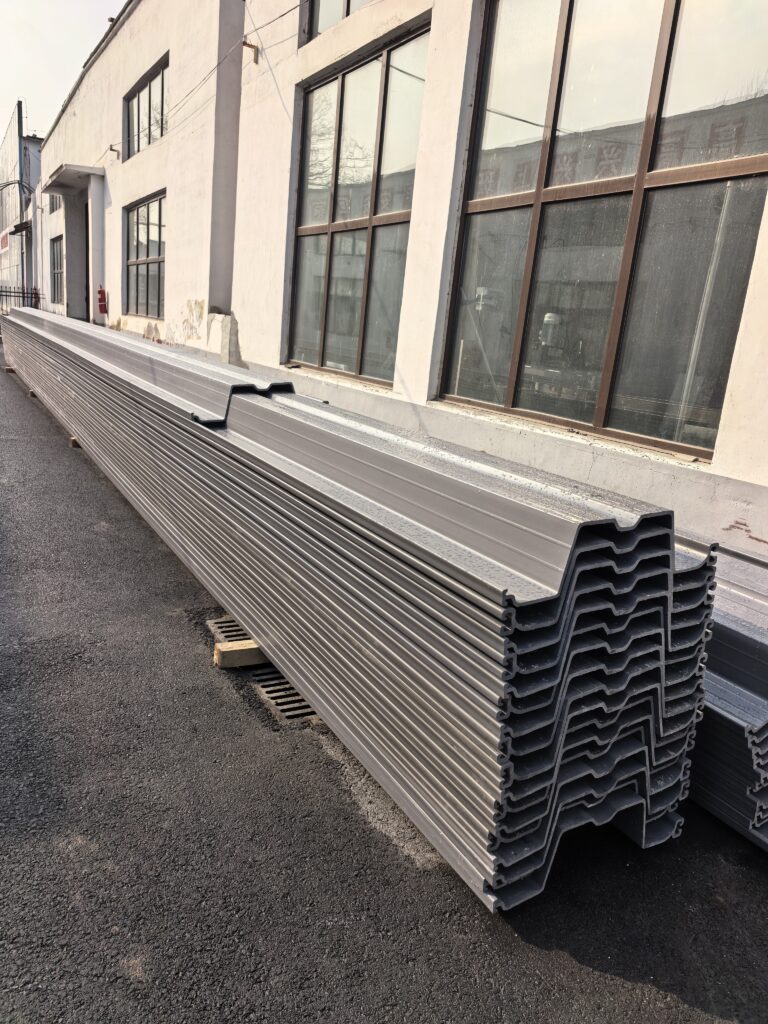
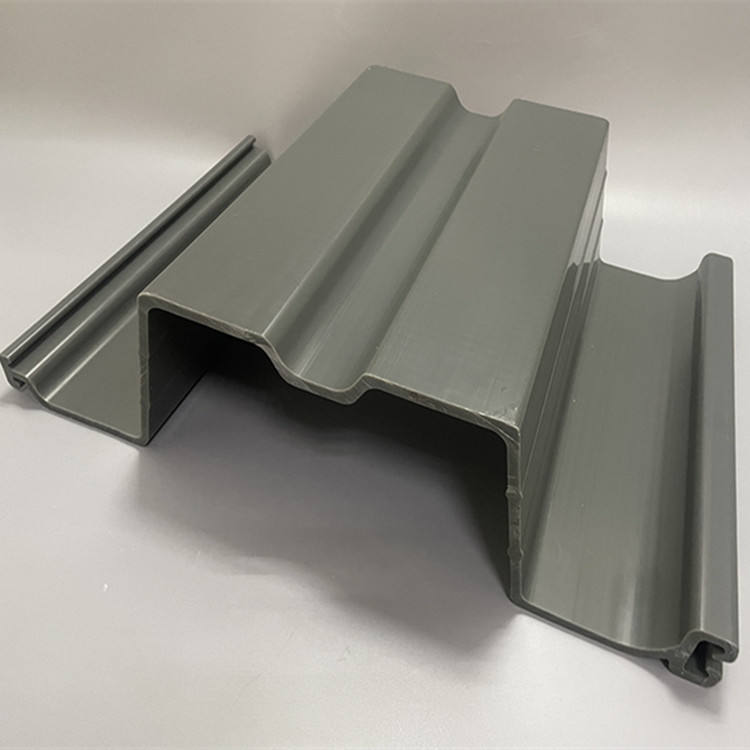
The most prominent advantage of plastic steel sheet piles is their corrosion resistance. Traditional steel sheet piles are susceptible to erosion from groundwater and seawater, requiring regular anti-corrosion maintenance. In contrast, plastic steel sheet piles can withstand long-term service in acidic and alkaline environments, with a service life exceeding 50 years. This significantly reduces long-term maintenance costs, making them particularly suitable for humid and corrosive settings such as ports and wastewater treatment plants. Their lightweight nature is equally impressive, weighing only one-seventh of steel. Transportation and installation require no heavy machinery, allowing manual assistance for setup and significantly boosting construction efficiency.
Environmental sustainability is another core competitive advantage of plastic steel sheet piles. Their production process generates no pollutant emissions, and the material is recyclable, aligning with green infrastructure requirements under the “dual carbon” goals. Additionally, their excellent sound insulation and vibration damping properties effectively reduce construction noise impacts on surrounding environments, making them particularly suitable for projects in urban core areas.
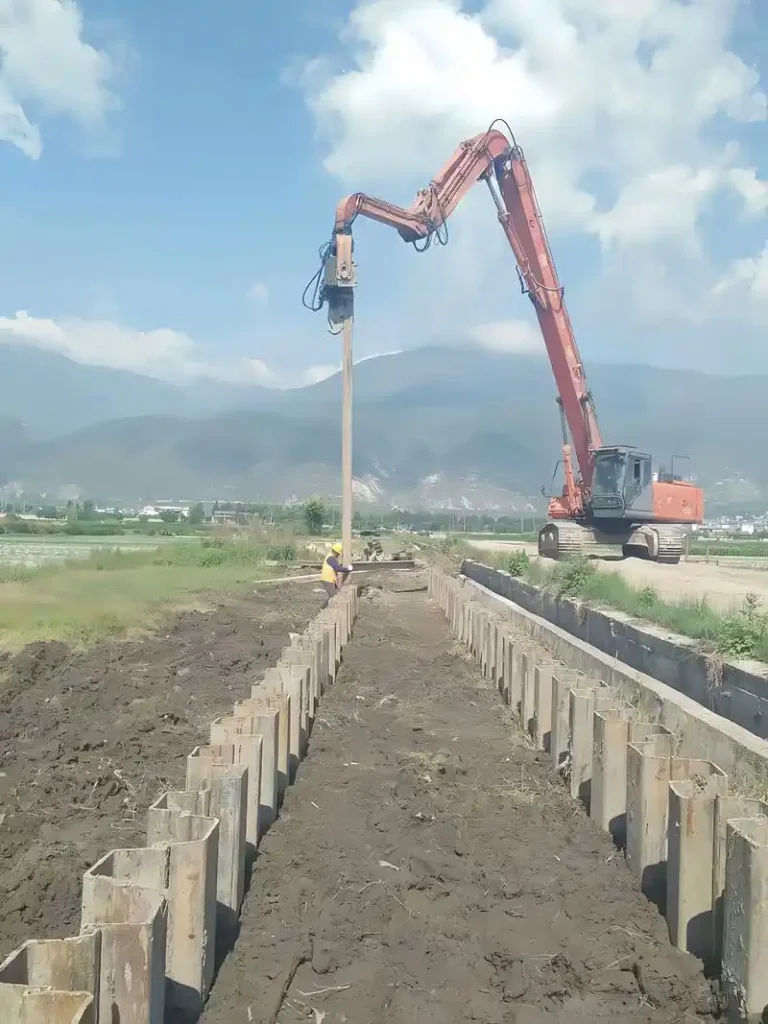
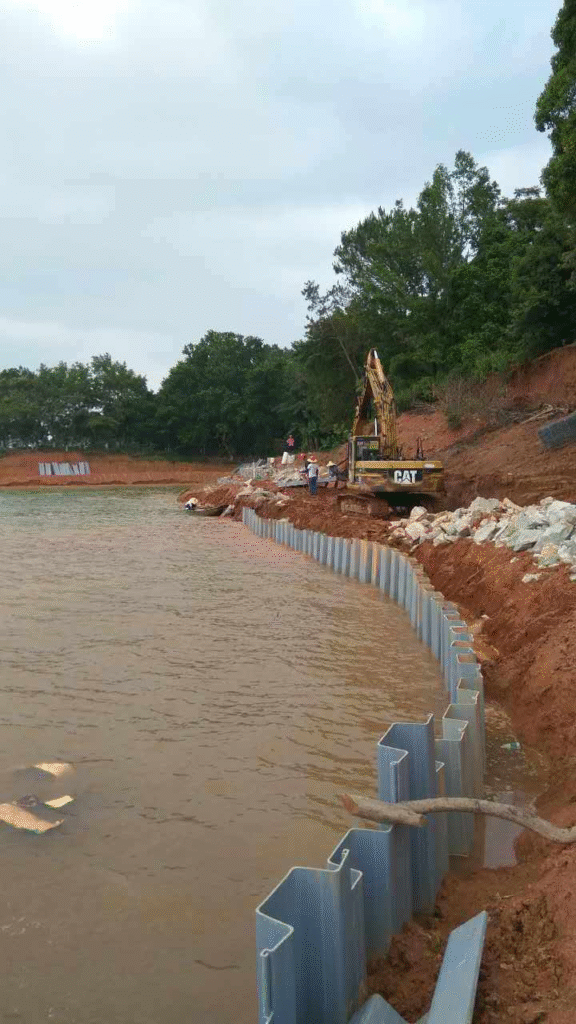
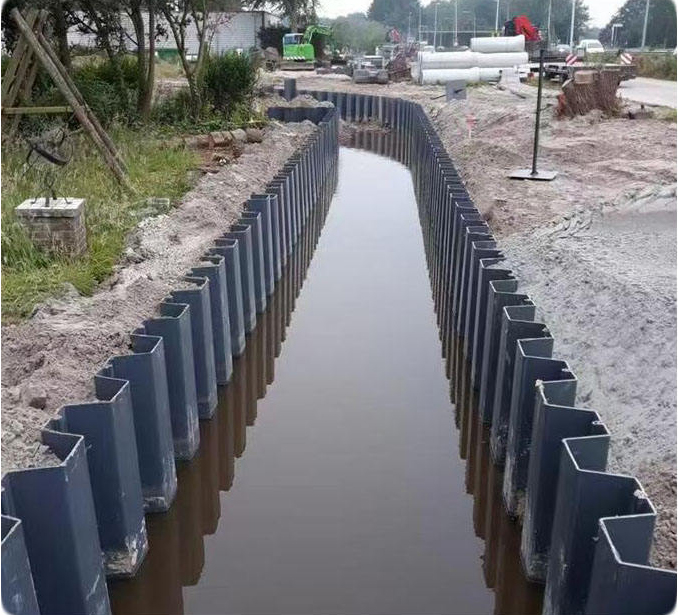
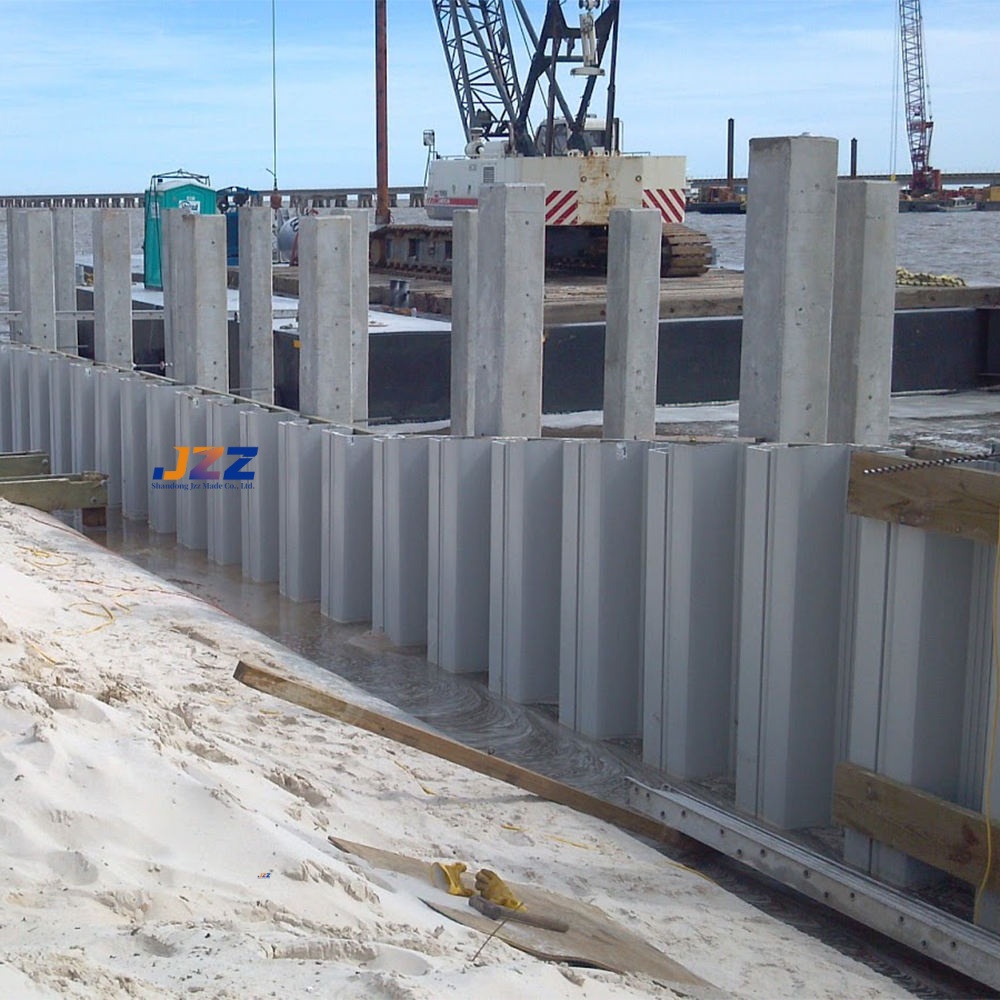
Plastic steel sheet piles demonstrate exceptional adaptability across diverse applications. In water conservancy projects, they serve for riverbank protection and flood/drainage control. For municipal engineering, they support subway excavation shoring and temporary enclosures for pipeline installation. In ecological restoration projects, their permeable properties maintain soil-water exchange, aiding ecosystem recovery.
Through technological advancements, the strength of plastic-steel sheet piles has continuously improved, now meeting the load-bearing requirements of most small-to-medium-sized projects. Looking ahead, breakthroughs in material modification technology are expected to enable plastic-steel sheet piles to serve in more complex engineering scenarios, injecting new momentum into the green transformation of the infrastructure industry.