



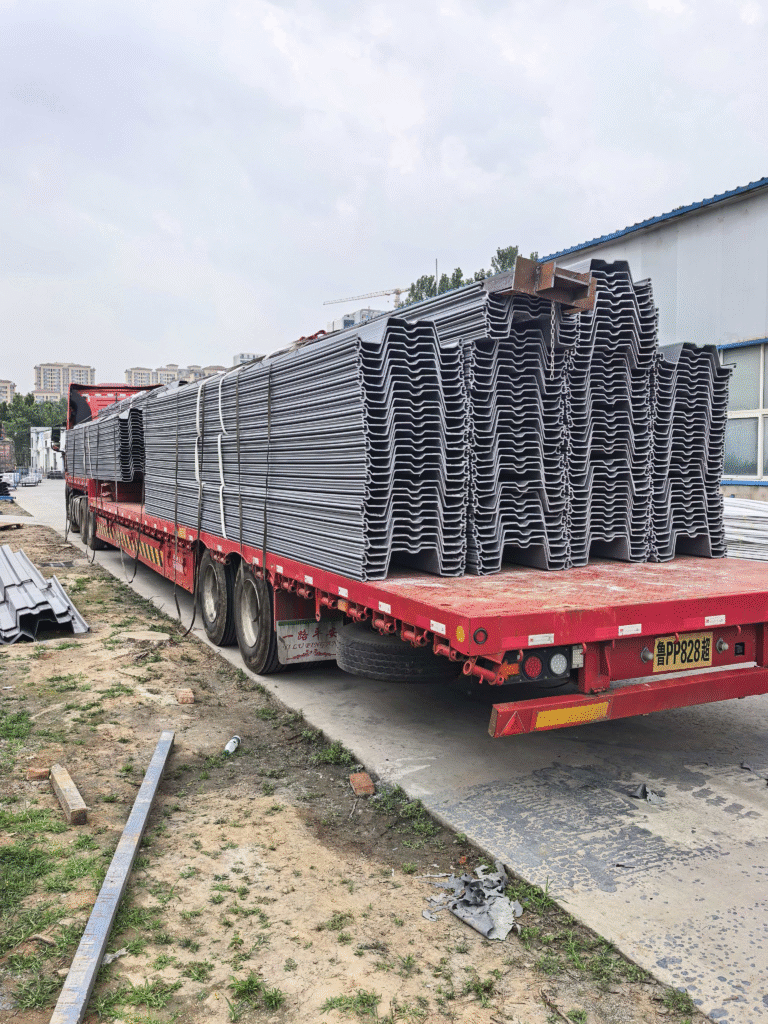
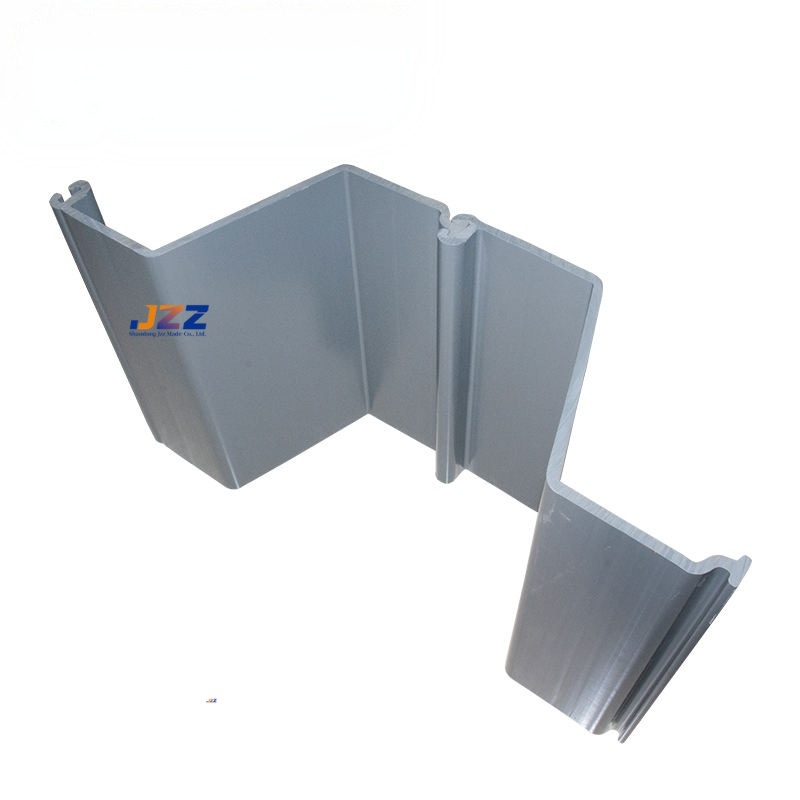
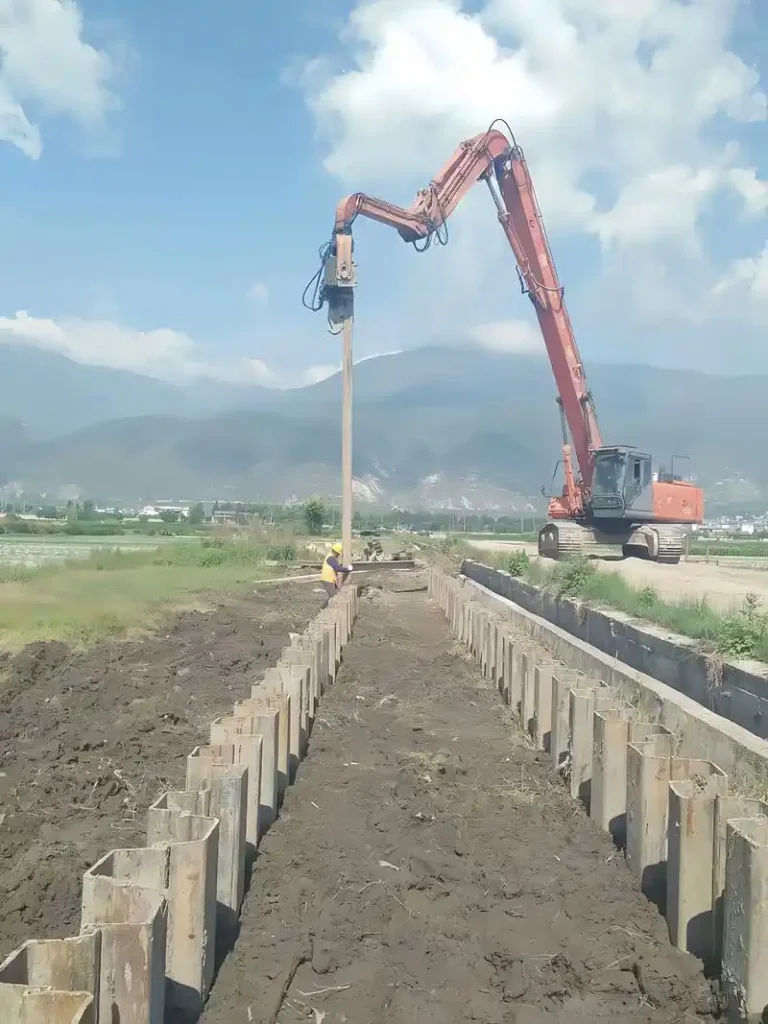
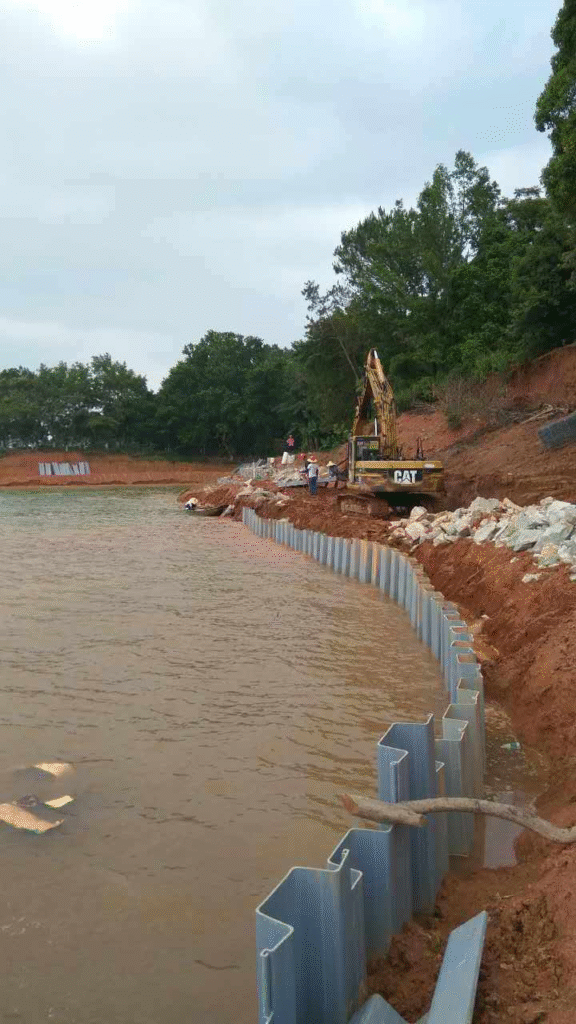
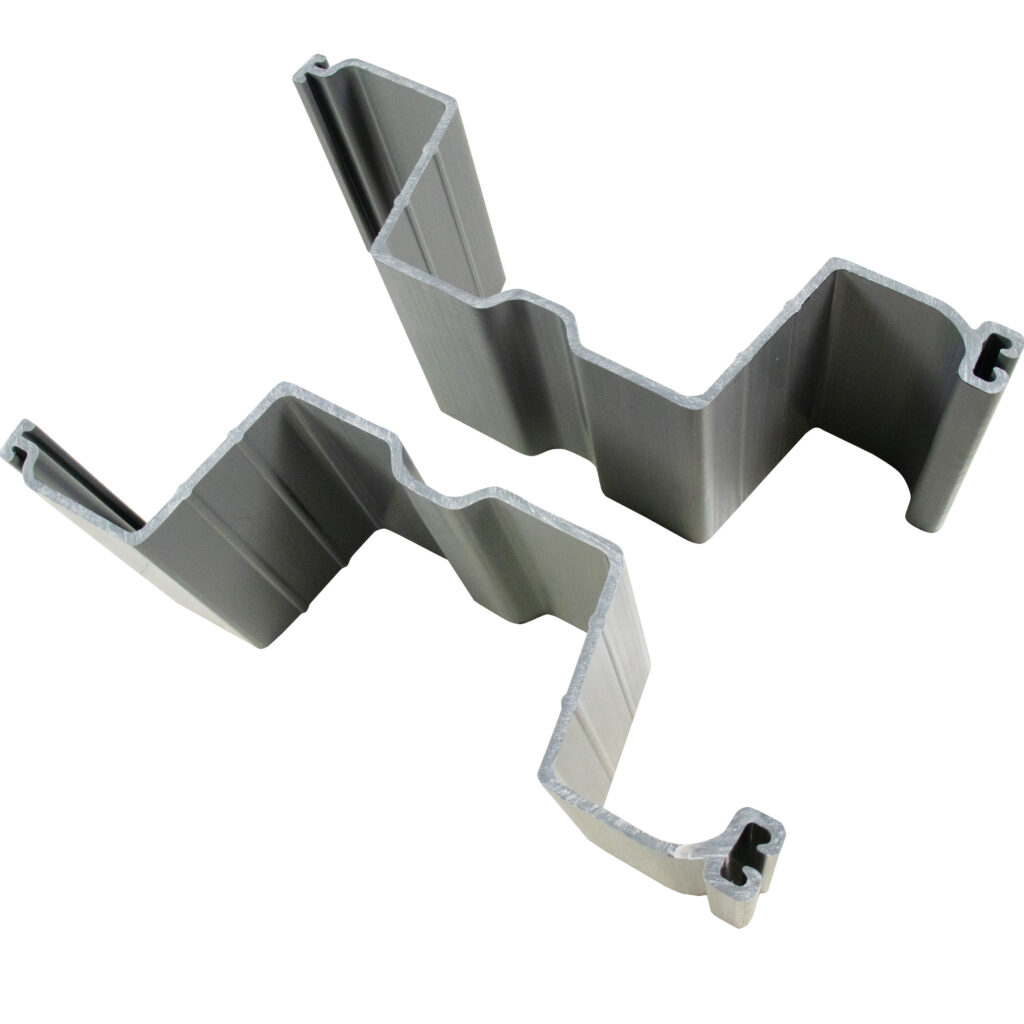
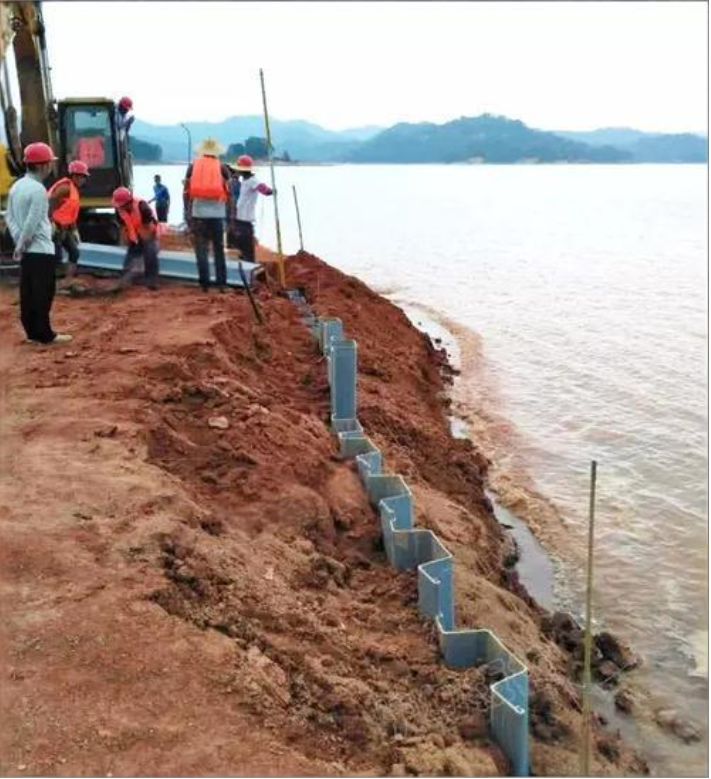
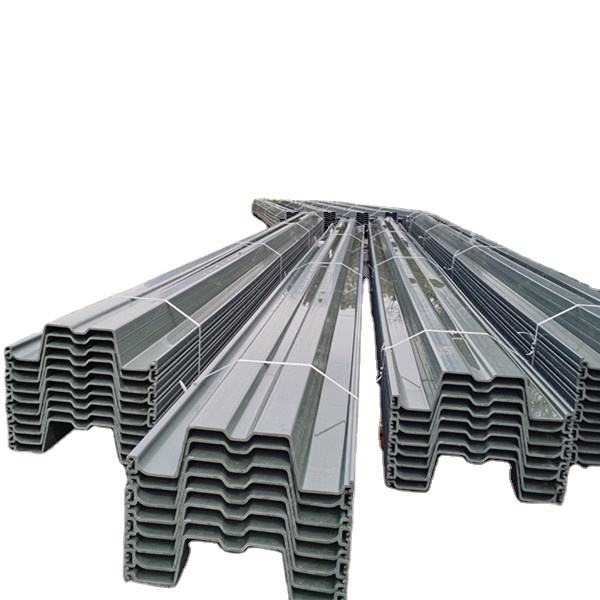
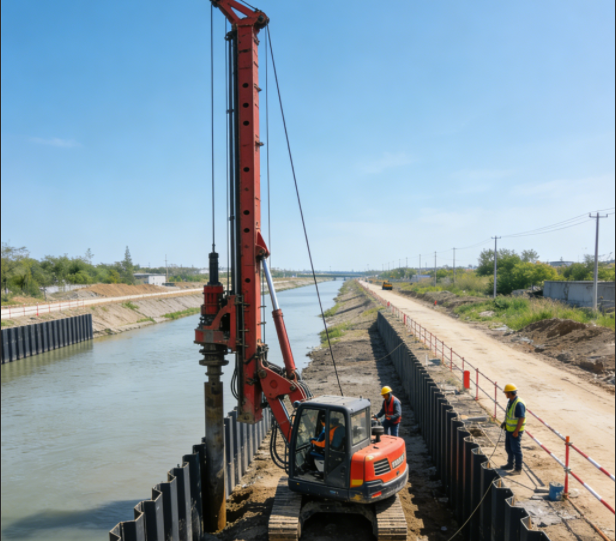
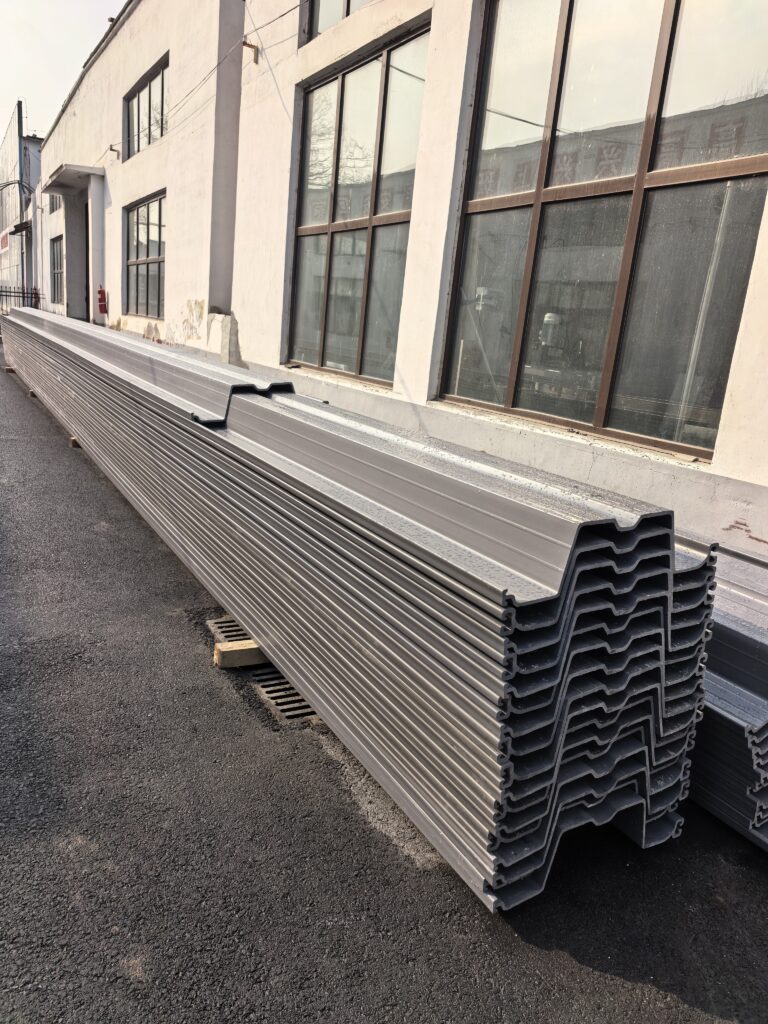
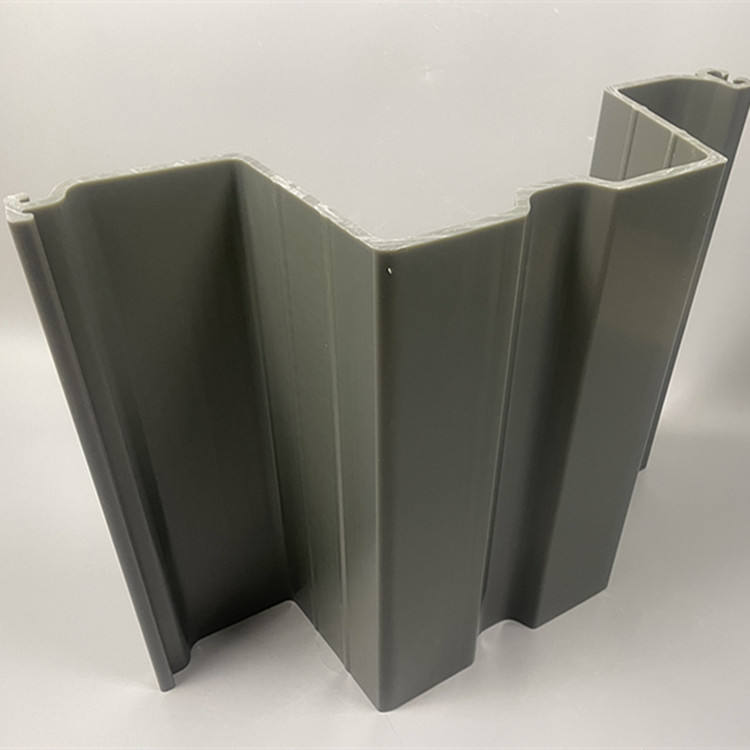
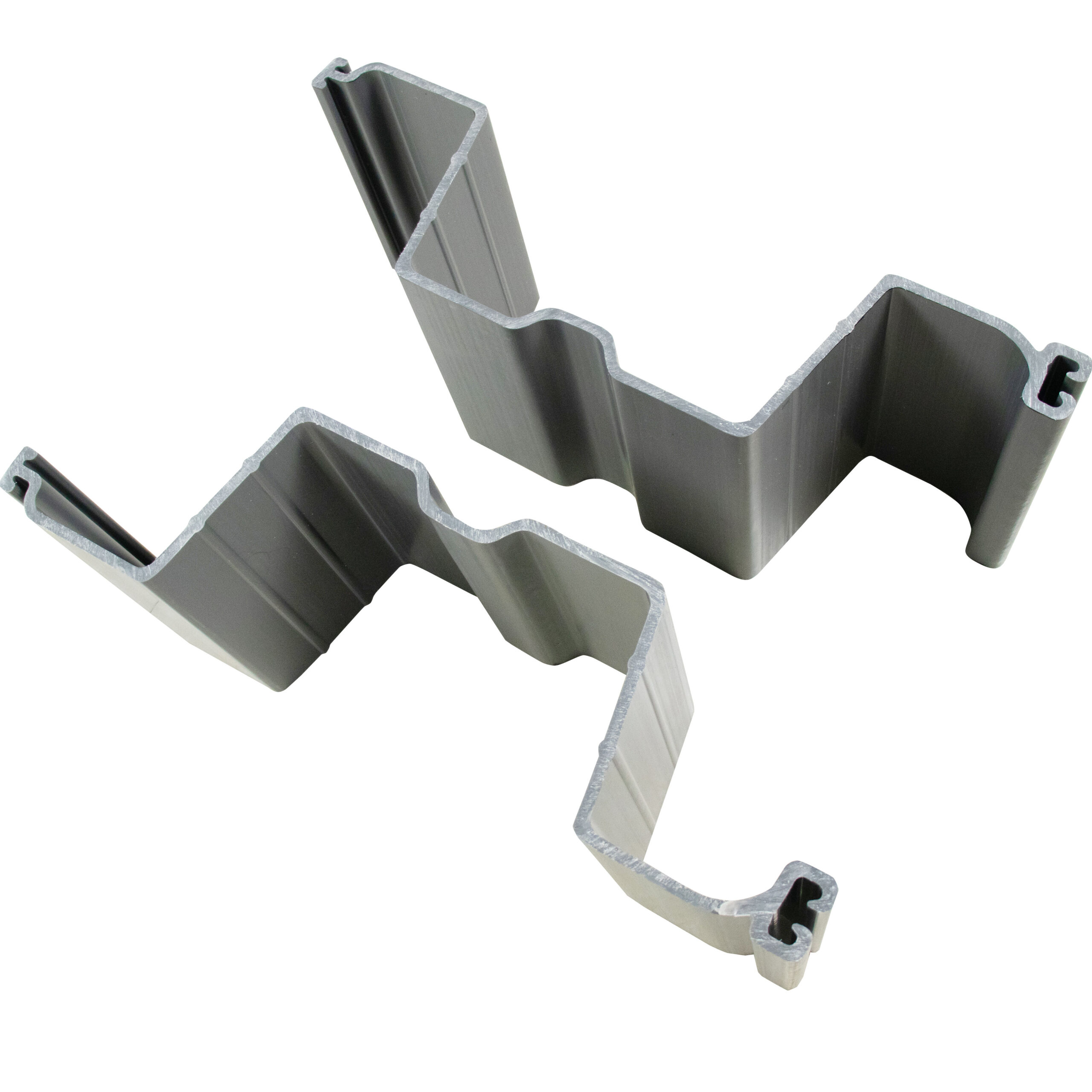
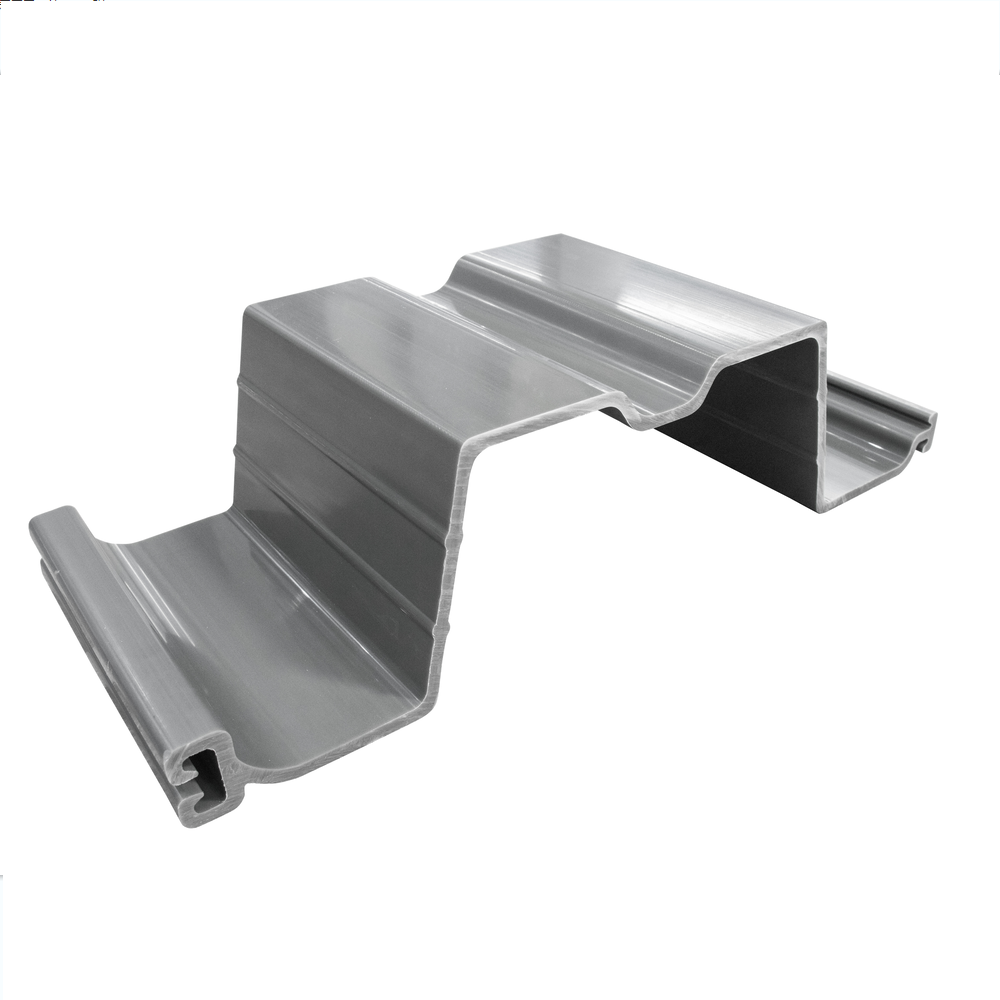
As fundamental infrastructure, water conservancy projects endure long-term erosion from water bodies and complex media, demanding exceptional weather resistance, stability, and operational convenience from protective materials. Traditional steel sheet piles are prone to rust and require regular maintenance, while concrete piles exhibit weak acid/alkali resistance and permeability, making long-term protection challenging. Corrosion-resistant, acid-alkali-proof plastic steel sheet piles have emerged as the preferred material for water conservancy projects, addressing these pain points and delivering maintenance-free protection through their core performance.
Corrosion and acid-alkali resistance form their core competitive advantage. Manufactured from eco-friendly polymer composites through specialized forming processes, they exhibit exceptional chemical stability, withstanding erosion from freshwater, seawater, and acidic/alkaline solutions. With a service life exceeding 50 years, they eliminate engineering risks caused by material degradation at the source.
Their maintenance-free nature further amplifies their value, truly delivering “one-time installation, long-term protection.” Eliminating the need for periodic anti-corrosion inspections significantly reduces operational costs and complexity, making them ideal for remote dams, cross-regional waterways, and other challenging maintenance scenarios while avoiding high-altitude or underwater maintenance risks. Their modular joints provide excellent sealing, and combined with lightweight yet high-strength properties, they adapt to complex construction environments, balancing efficiency and quality.
This material demonstrates outstanding adaptability across diverse hydraulic engineering scenarios. It integrates ecological restoration in bank reinforcement, withstands salt corrosion and wave action in coastal embankments, and enables rapid assembly/disassembly and reuse in temporary cofferdams. Its three core advantages meet diverse hydraulic engineering demands.
Additionally, plastic steel sheet piles offer environmental sustainability—produced with zero pollution and fully recyclable—aligning with green water conservancy principles to unify engineering and ecological value.
In summary, plastic steel sheet piles precisely address traditional material limitations with outstanding operational efficiency and adaptability. As demands for high-quality water conservancy development rise, they will become the mainstream choice in protection systems, providing long-term, stable, maintenance-free safeguarding for water infrastructure.