



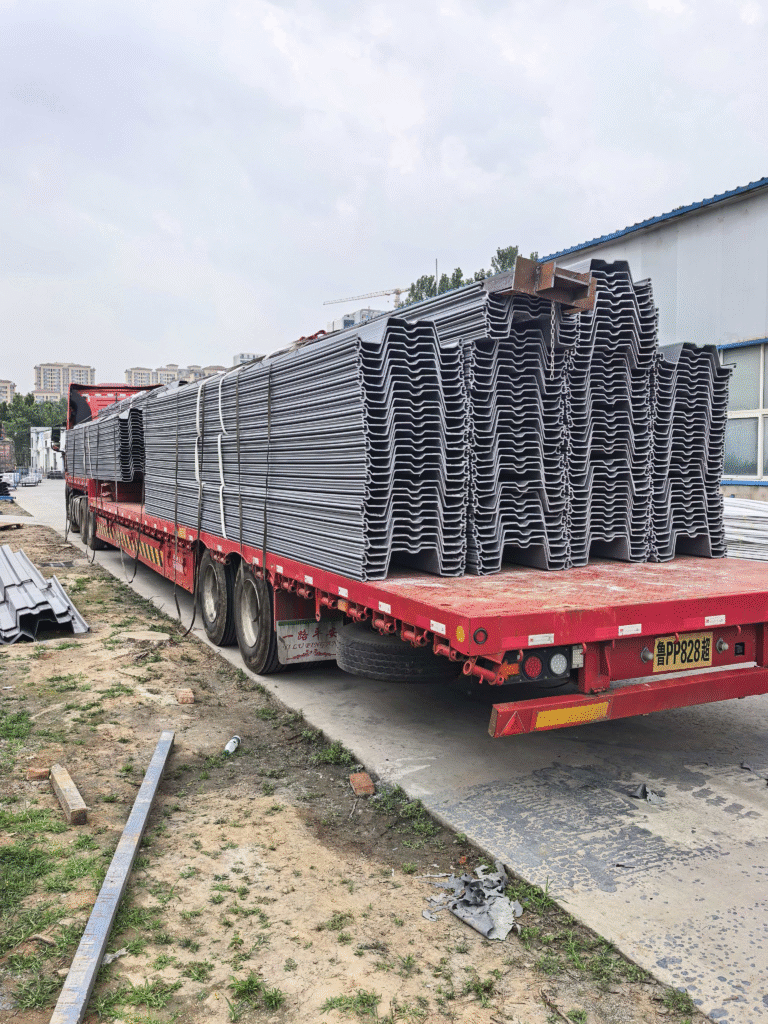
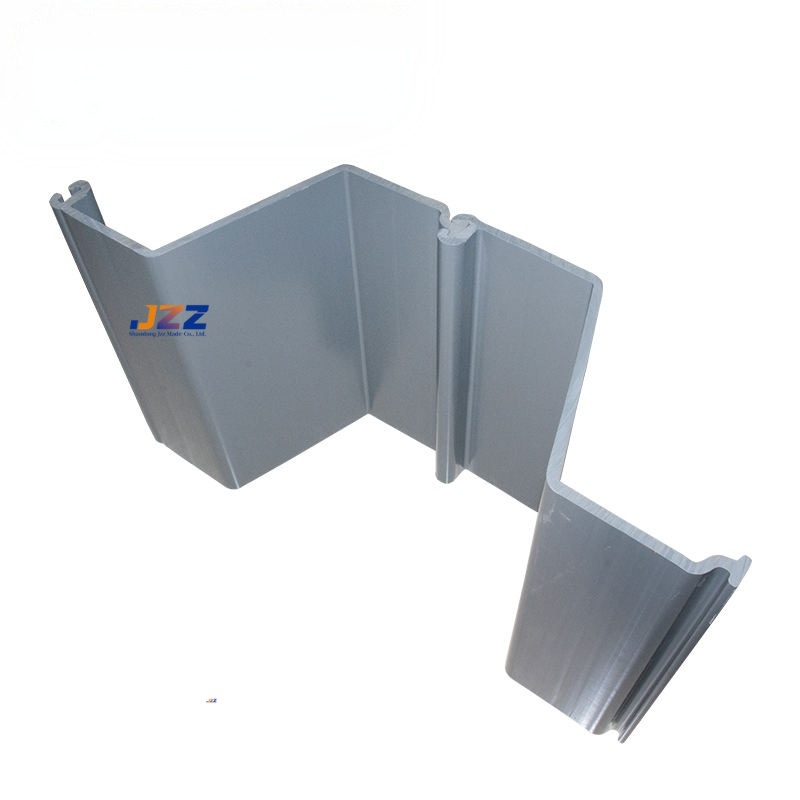
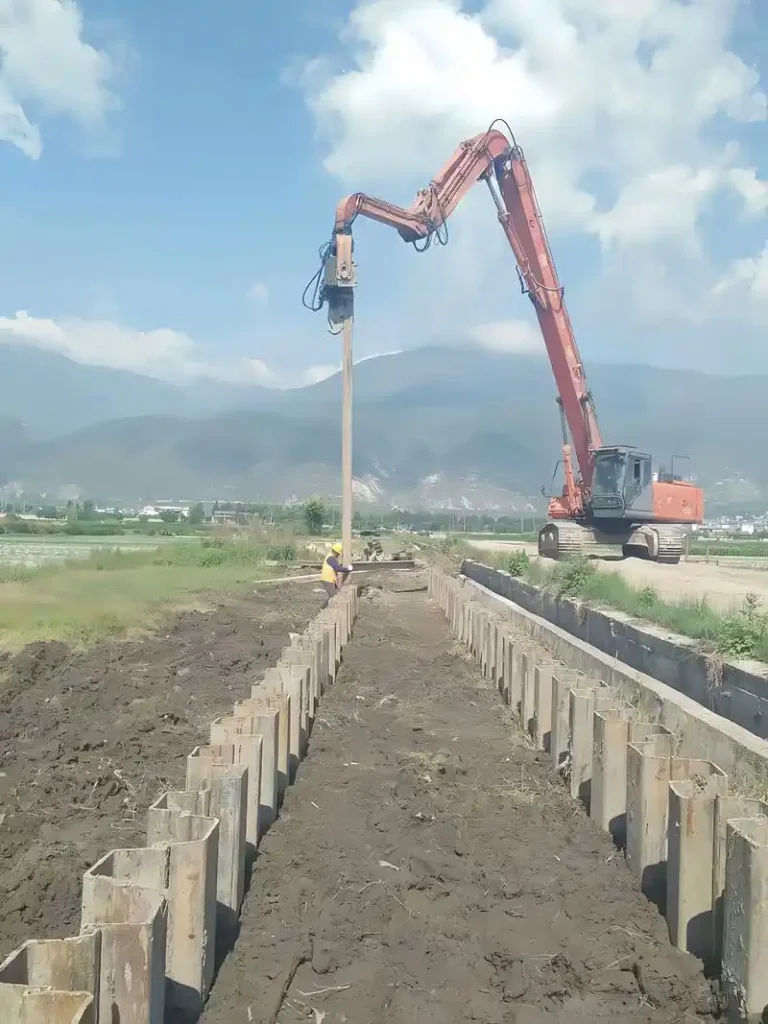
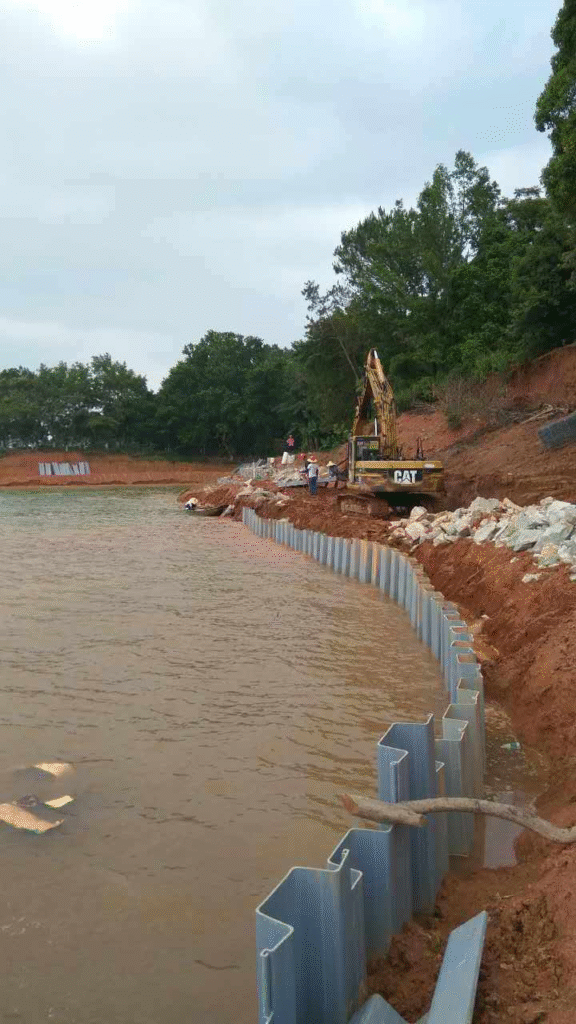
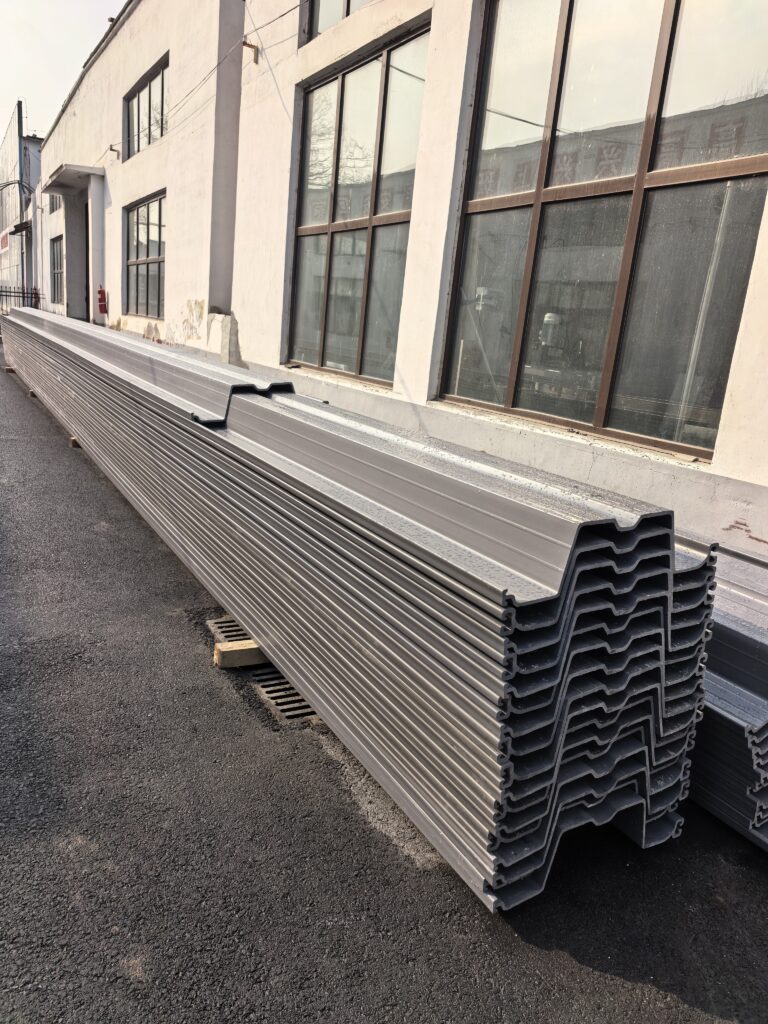
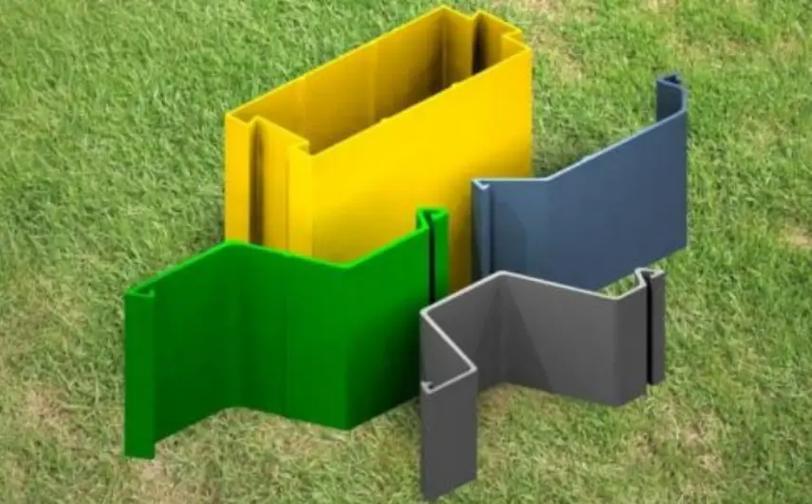
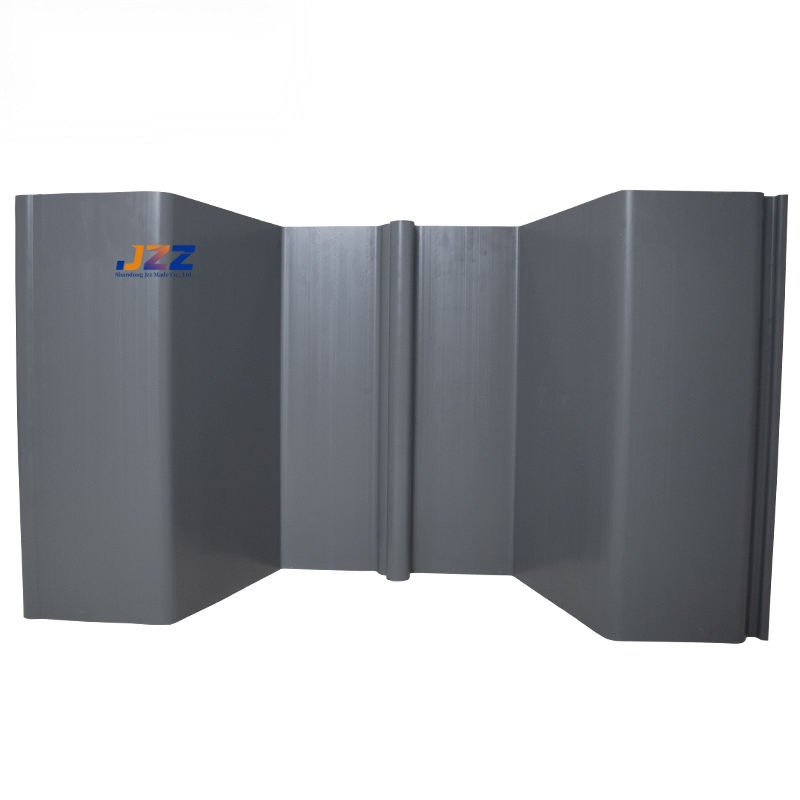
Against the backdrop of advancing agricultural modernization alongside ecological civilization development, farmland water conservancy is transitioning from an extensive approach to a new phase characterized by “ecological priority and high efficiency with low carbon emissions.” Leveraging their unique advantages, lightweight high-strength materials have addressed the pain points of traditional water conservancy facilities—such as high material consumption, difficult construction, and short service life—becoming the core enabler for high-quality development in farmland water conservancy. They are truly the “green guardians” of farmland water conservancy.
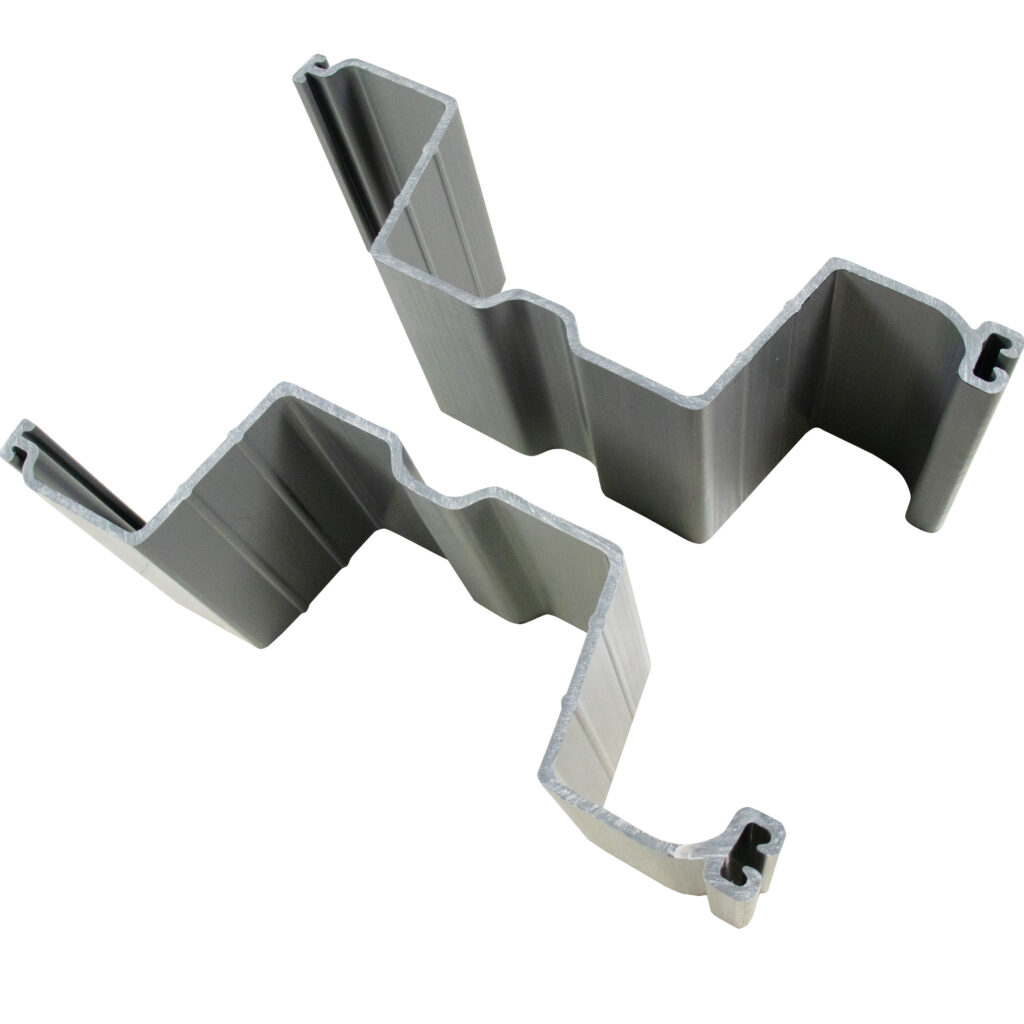
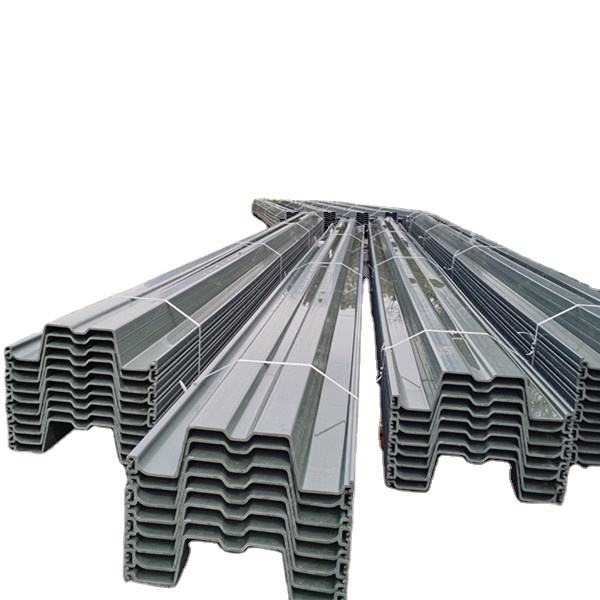
These materials encompass categories such as fiberglass reinforced plastic (FRP), polyester spunbond geotextiles, and prefabricated polymer components. Their core advantage lies in achieving a balance between “lightweight” and “high strength,” while also offering environmental friendliness, durability, and ease of operation and maintenance. Compared to traditional materials, they challenge the notion that “weight determines strength”: FRP boasts a density far lower than concrete or steel yet delivers superior mechanical properties with a service life of 20-30 years. Prefabricated polymer formwork can be reused dozens of times, significantly reducing material consumption and carbon emissions while aligning with green construction principles.
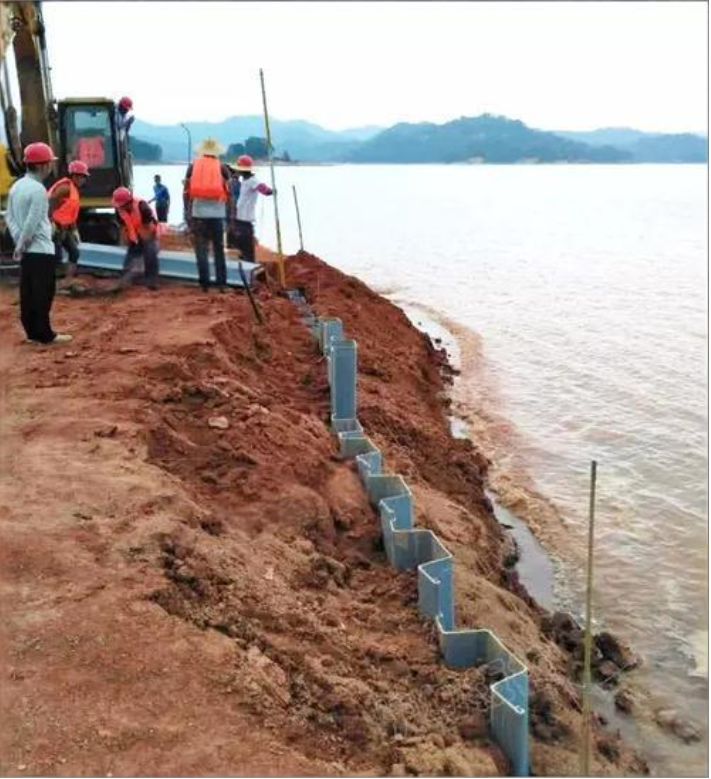
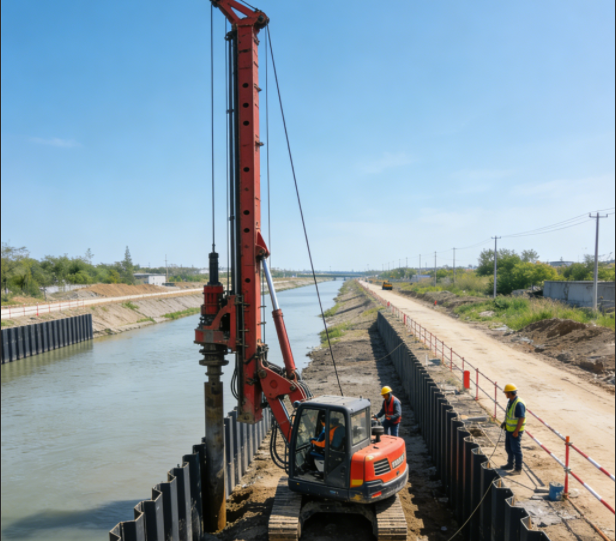
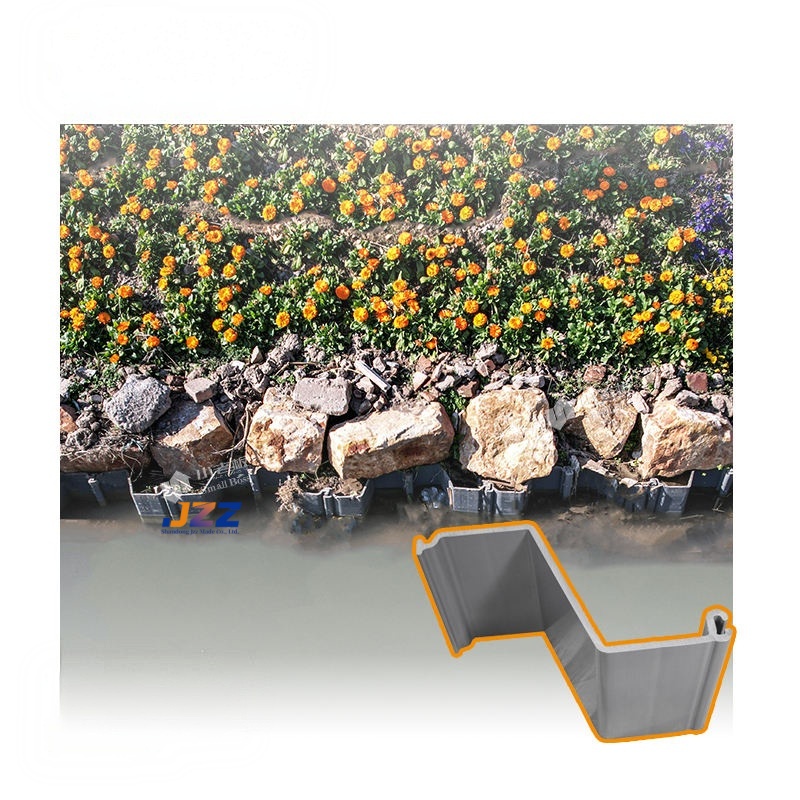
It has been widely adopted across core agricultural water management applications: Geotextile materials prevent soil erosion and stabilize ground, fortifying the ecological foundation of high-standard farmland. FRP and modular channels, assembled through modular construction, shorten project timelines, enhance irrigation efficiency, and adapt to complex terrain. Ecological bank protection materials simultaneously ensure slope stability and provide habitats, achieving synergistic protection and ecological restoration.