



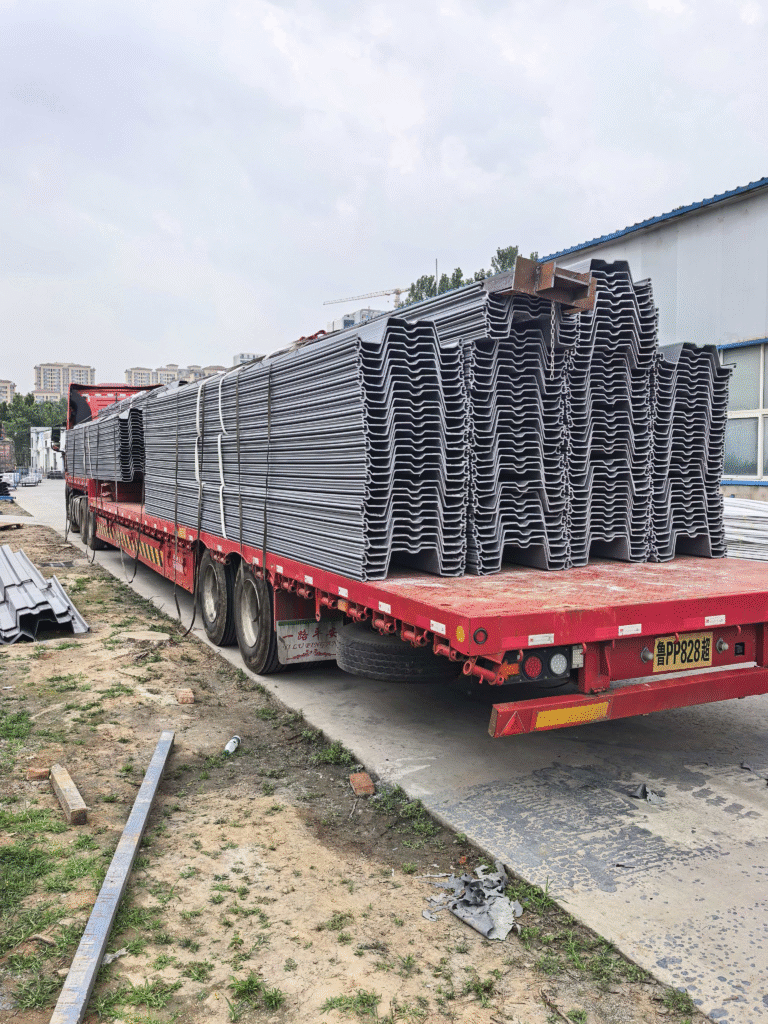
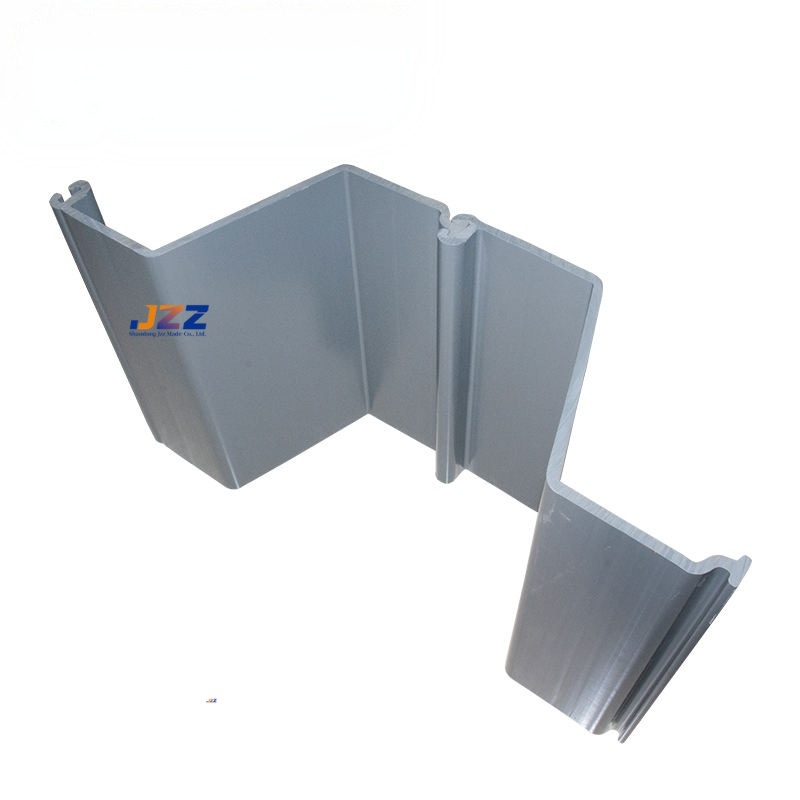
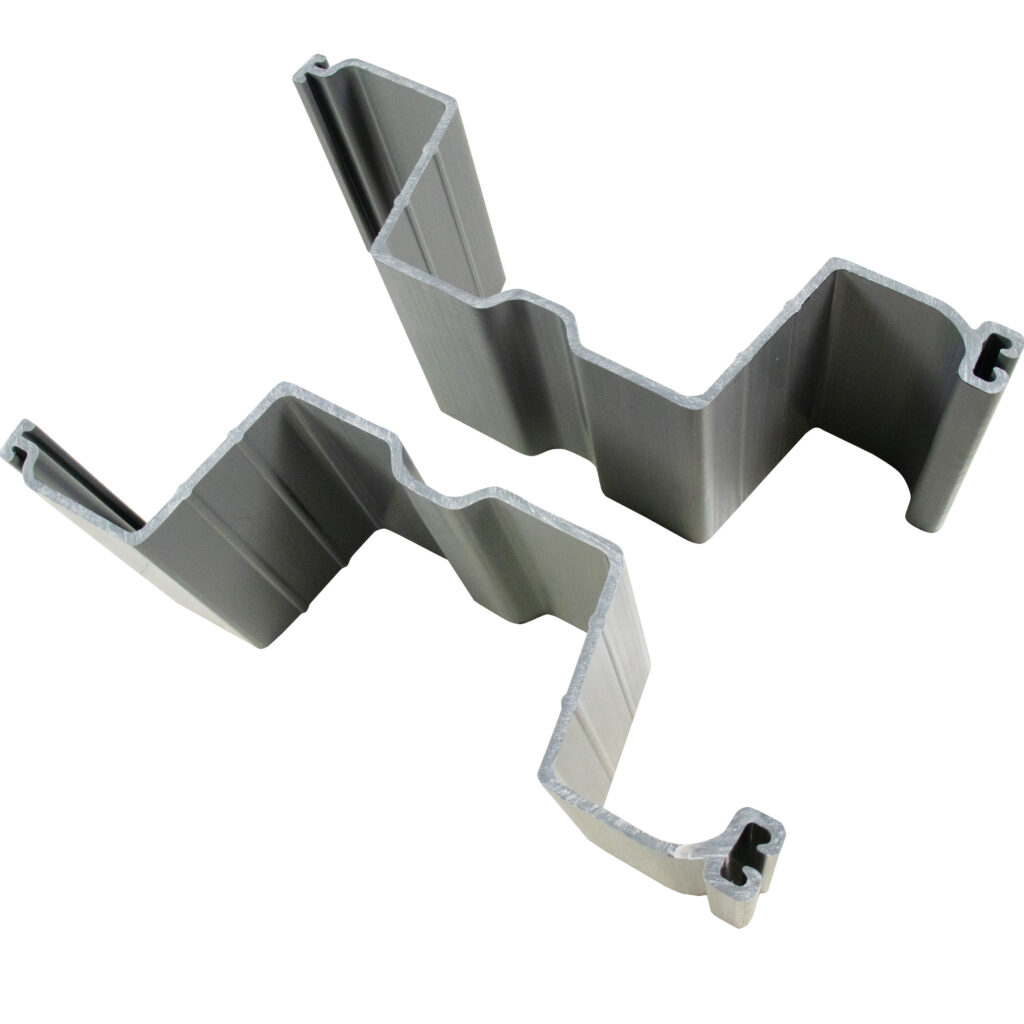
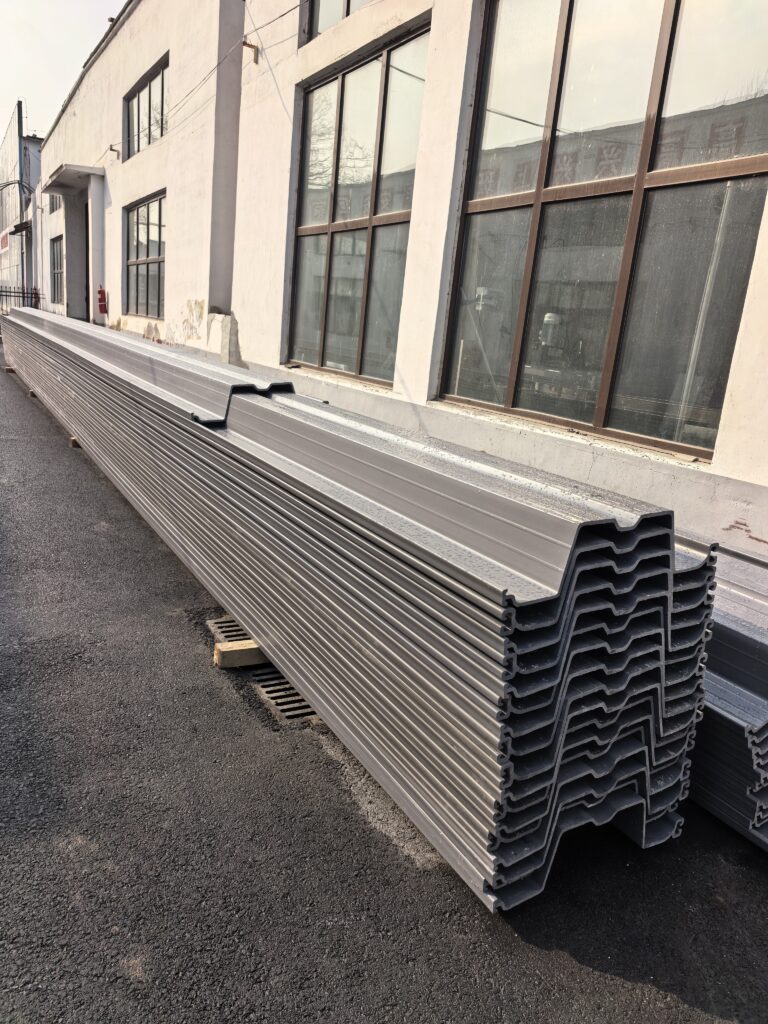
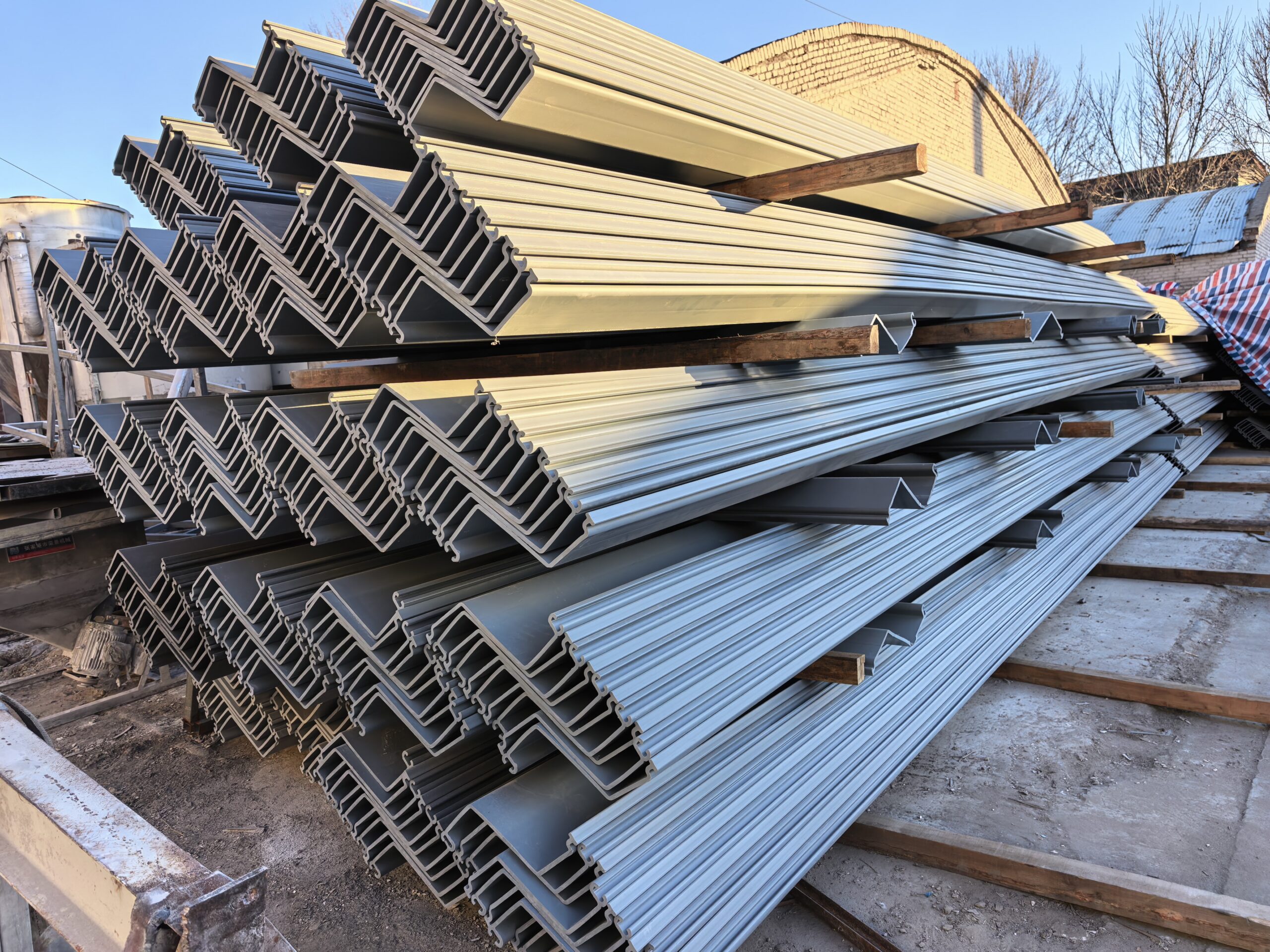
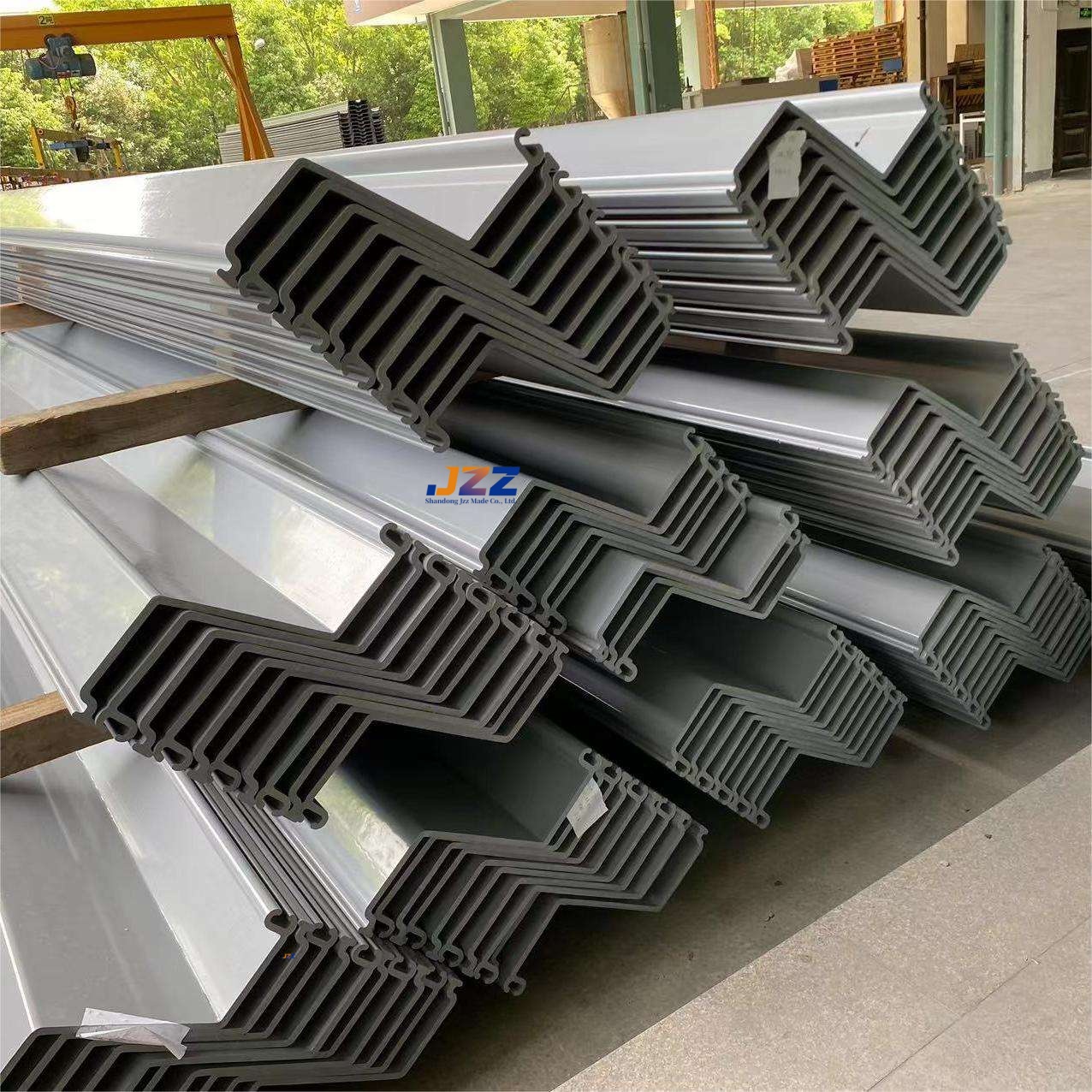
This product is made from polymer-reinforced composite materials and is formed in a single process under high temperature and pressure. It offers excellent chemical stability and withstands freshwater, saline-alkali environments, wastewater, and acidic, alkaline, or humid conditions without rusting, corroding, or cracking. Optimized for resistance to aging and freeze-thaw cycles, it maintains stable performance during long-term underwater or outdoor use and is suitable for a wide range of demanding hydraulic engineering conditions, providing long-lasting protection with a single installation
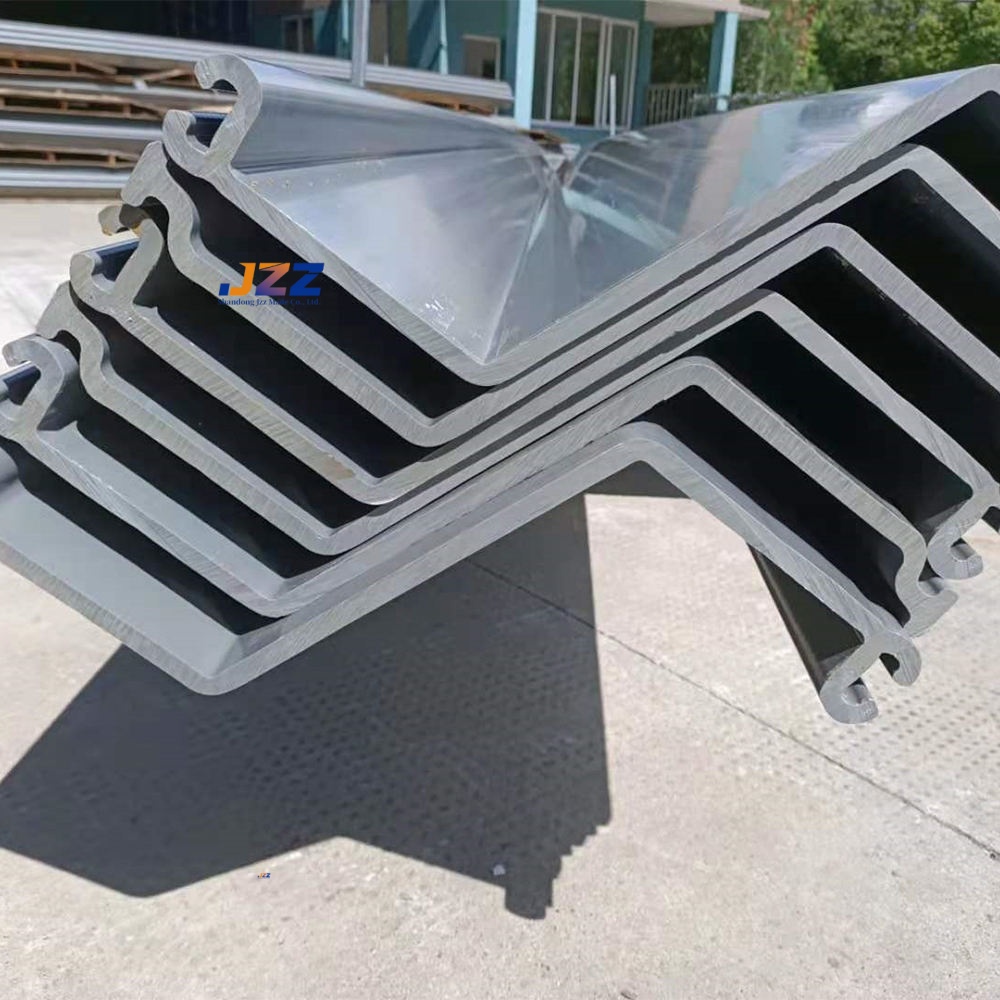
The product has passed long-term hydraulic engineering standard certification, with a service life of up to 50 years—far exceeding that of traditional building materials. It requires no anti-corrosion maintenance and is virtually maintenance-free, significantly reducing operational and maintenance costs. Equipped with an anti-disengagement locking mechanism, the sheet piles interlock tightly to provide impermeability and resistance to impact, withstanding floods and storm surges without leakage or collapse, thereby establishing a solid foundation for long-term protection
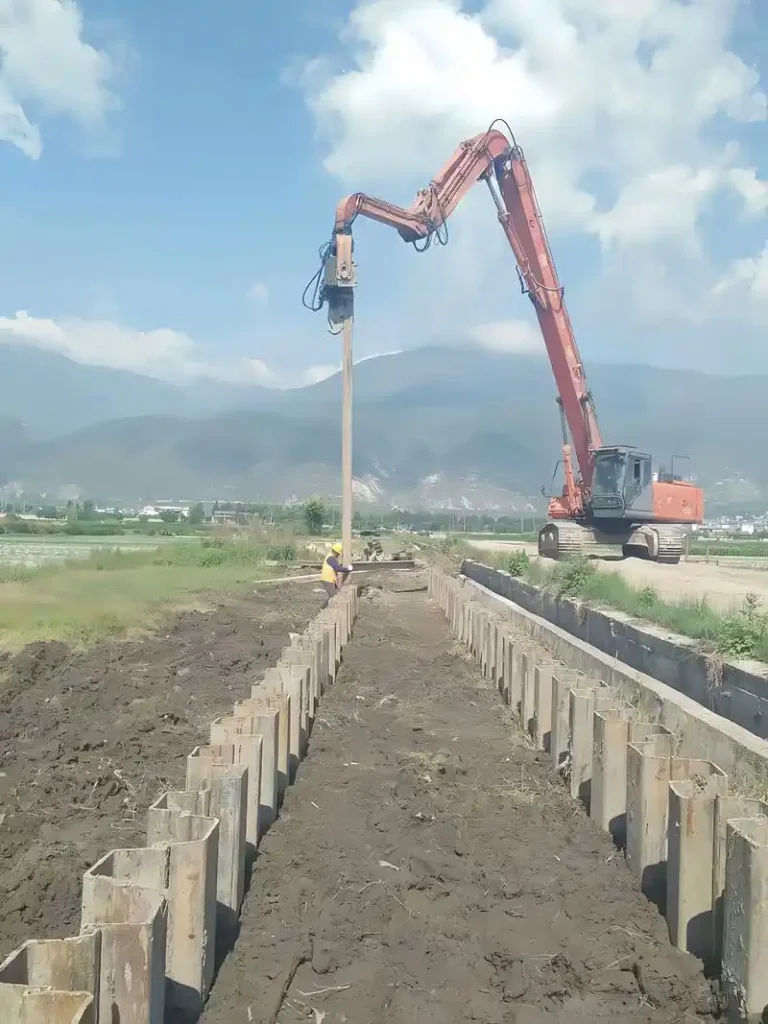
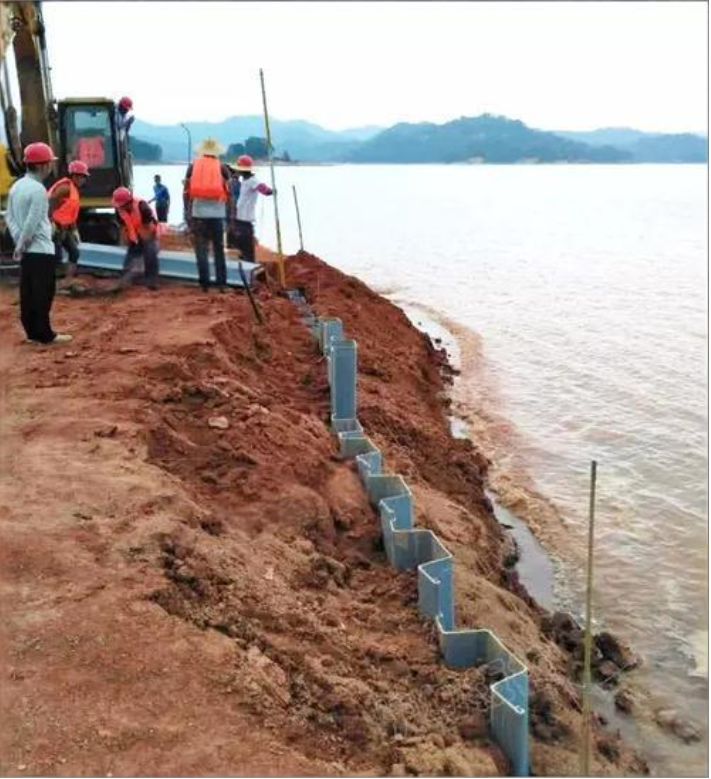
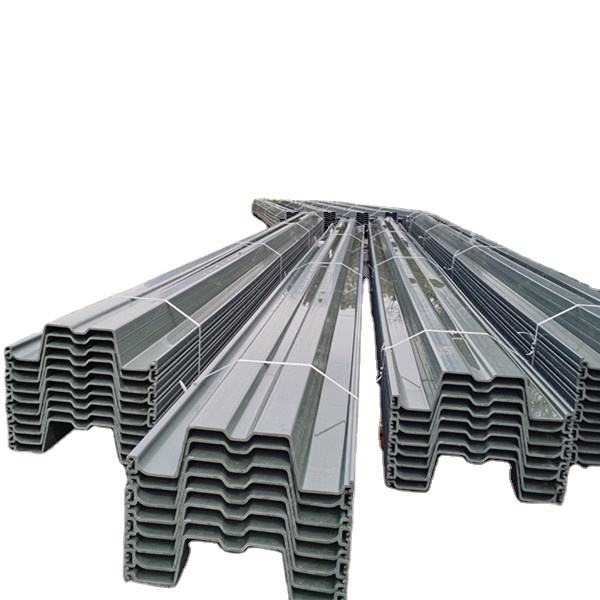
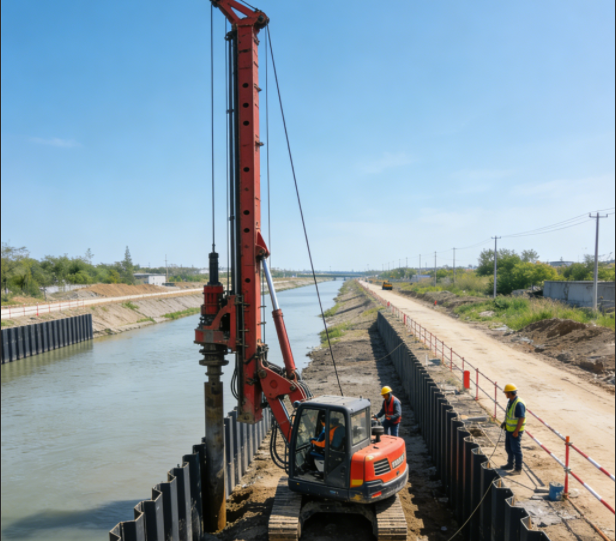
As a specialized profile for water conservancy, it is lightweight yet high-strength, weighing only 1/8 that of traditional steel sheet piles. It facilitates convenient transportation and installation, and can be driven using standard hydraulic hammers for higher efficiency. The product is eco-friendly and pollution-free; certain models feature ecological holes that balance protection with ecological restoration. It withstands extreme temperatures without becoming brittle, making it suitable for all regions
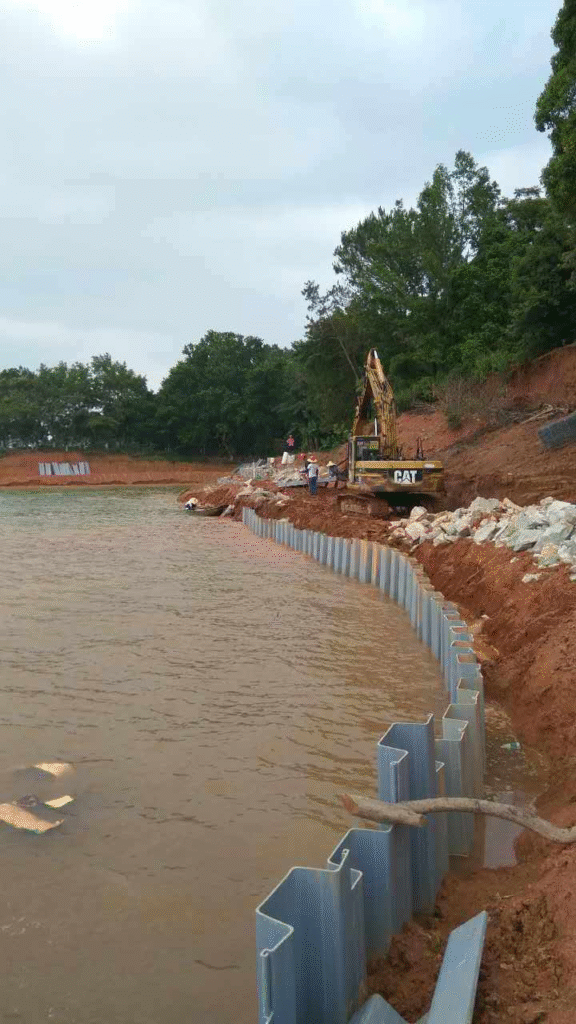
With core advantages such as corrosion resistance, long service life, ease of installation, and environmental friendliness, this plastic-steel sheet pile perfectly addresses the shortcomings of traditional building materials. It is suitable for water conservancy projects such as river channel management, embankment reinforcement, and coastal flood protection, making it the preferred specialized material for improving infrastructure quality, reducing costs, and enhancing efficiency.