



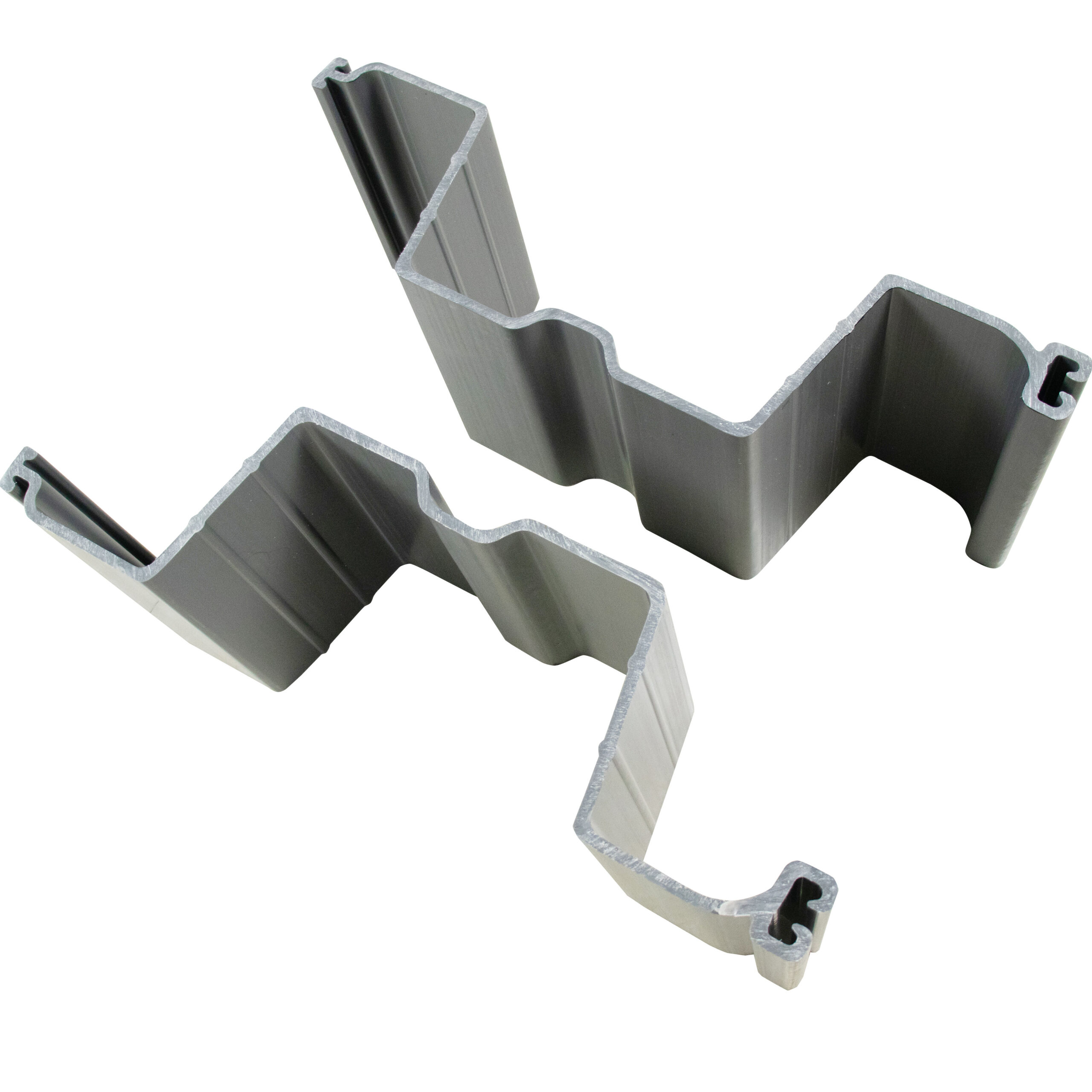
I. Core Material: High-Polymer Composite Formula Establishes Foundation for Corrosion Resistance and Aging Resistance
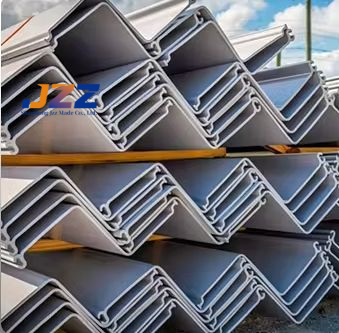
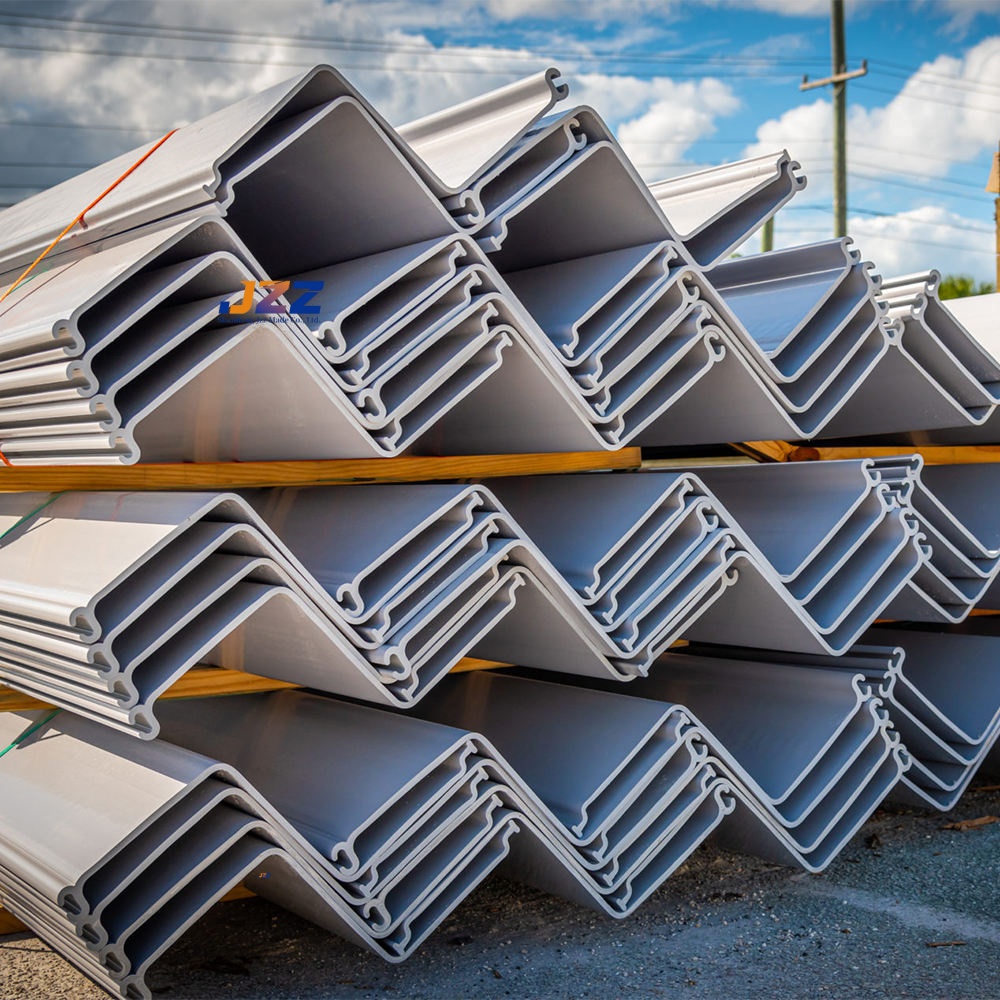
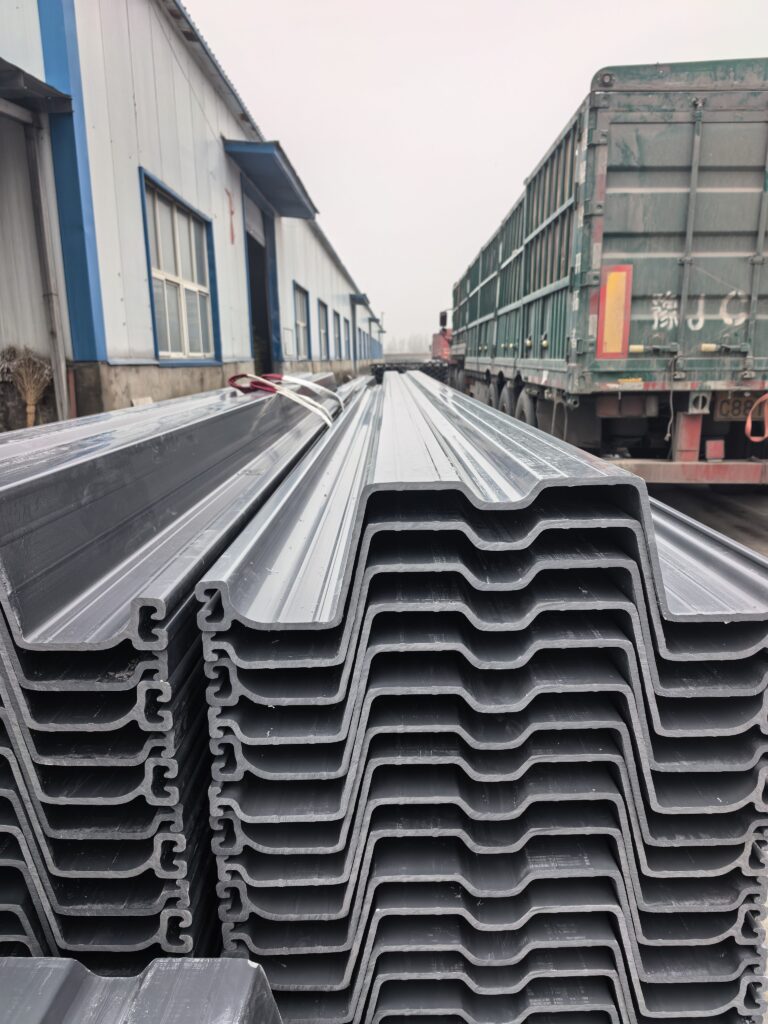
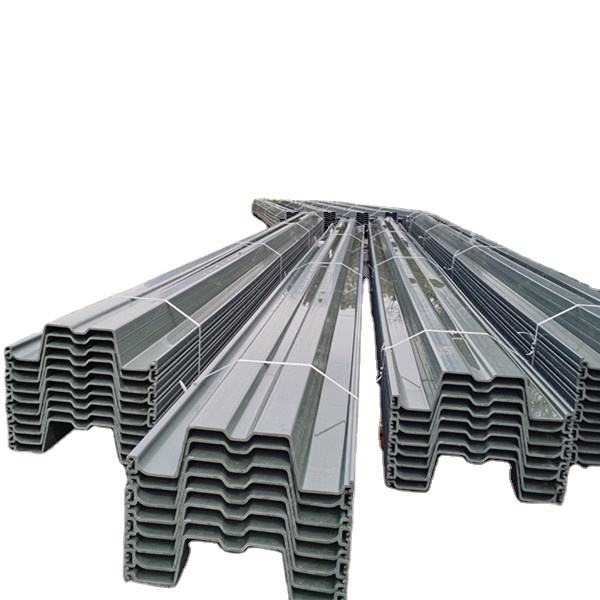
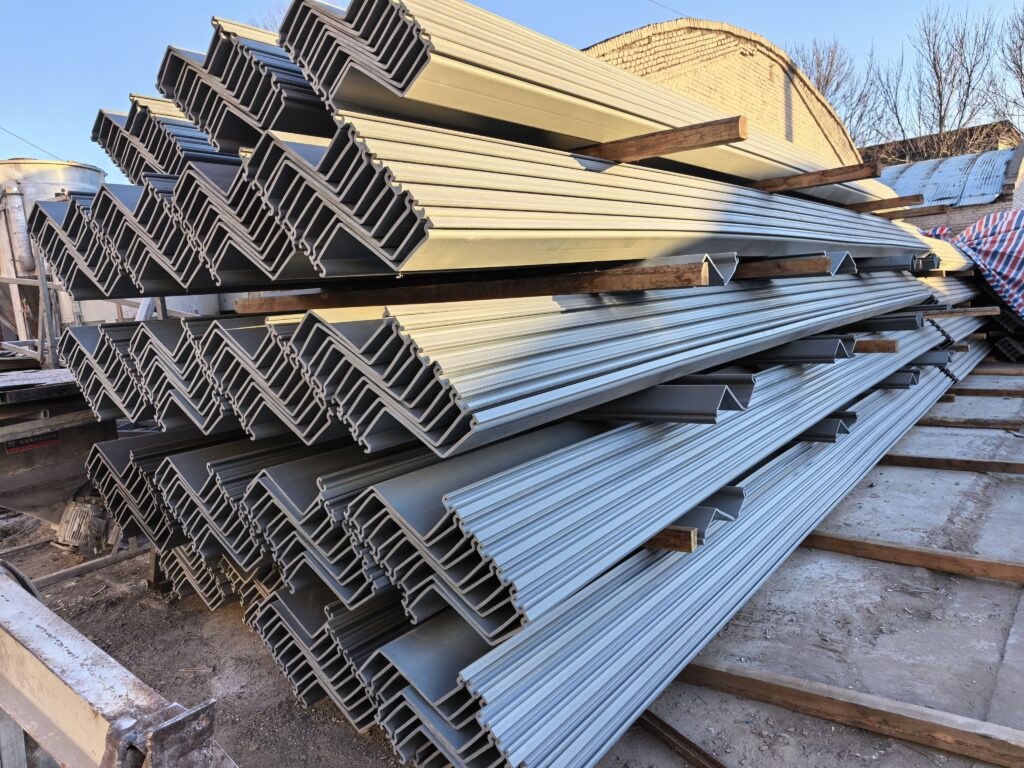
718 Plastic Steel Sheet Piles utilize high-quality PVC as the matrix, incorporating reinforcing fibers, UV stabilizers, and other additives. Through scientific formulation and synergistic interaction, they enhance chemical stability and environmental adaptability at the molecular level, constructing a “long-lasting” foundation.
This material fundamentally prevents rusting, withstands acid, alkali, and salt corrosion, and adapts to diverse environments including excavation pits, marine settings, and industrial pollution sites. It resists marine organism erosion while remaining non-toxic and harmless, balancing durability with ecological safety.
Precision blending of specialized additives is key to anti-aging performance: UV stabilizers block ultraviolet radiation to prevent material aging and brittleness, while thermal stabilizers ensure performance stability under extreme temperature fluctuations. This eliminates the need for post-installation anti-corrosion maintenance, intrinsically extending the service life.
II. Forming Process: Single-Extrusion Molding Creates a Dense Protective Barrier
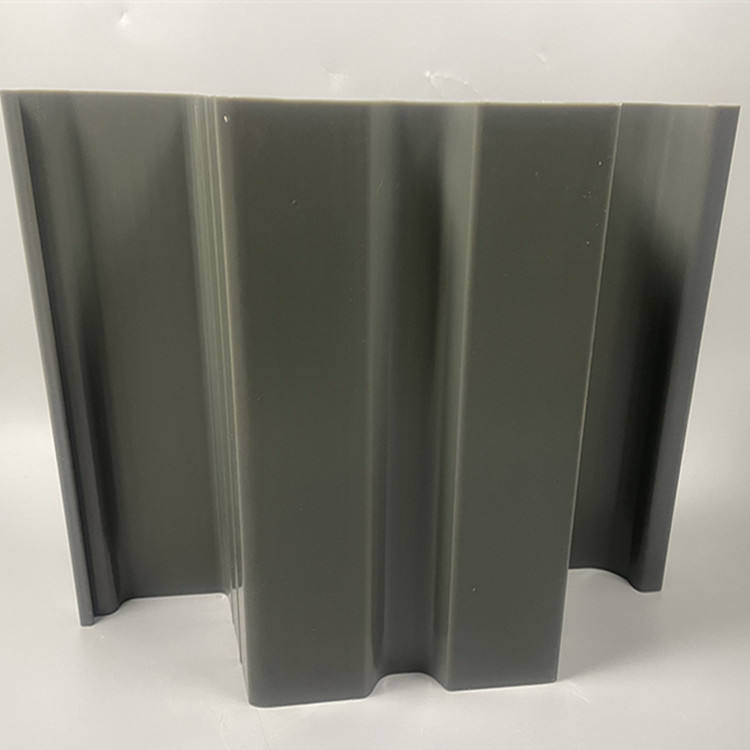
Employing high-temperature, high-pressure single-extrusion molding eliminates defects like gaps and pores, forming seamless monolithic profiles. This reduces pathways for environmental medium penetration, enhances corrosion resistance and aging resistance, while simultaneously improving production efficiency.
Under high temperature and pressure, materials fully fuse with tightly arranged molecules, achieving both lightweight properties (only 1/3 to 1/2 the weight of traditional steel sheet piles) and high strength. Some products utilize co-extrusion technology, featuring recycled PVC at the core and a high-performance plastic outer layer, balancing environmental sustainability, cost-effectiveness, and durability.
III. Structural Design: Optimized Design for Enhanced Overall Durability
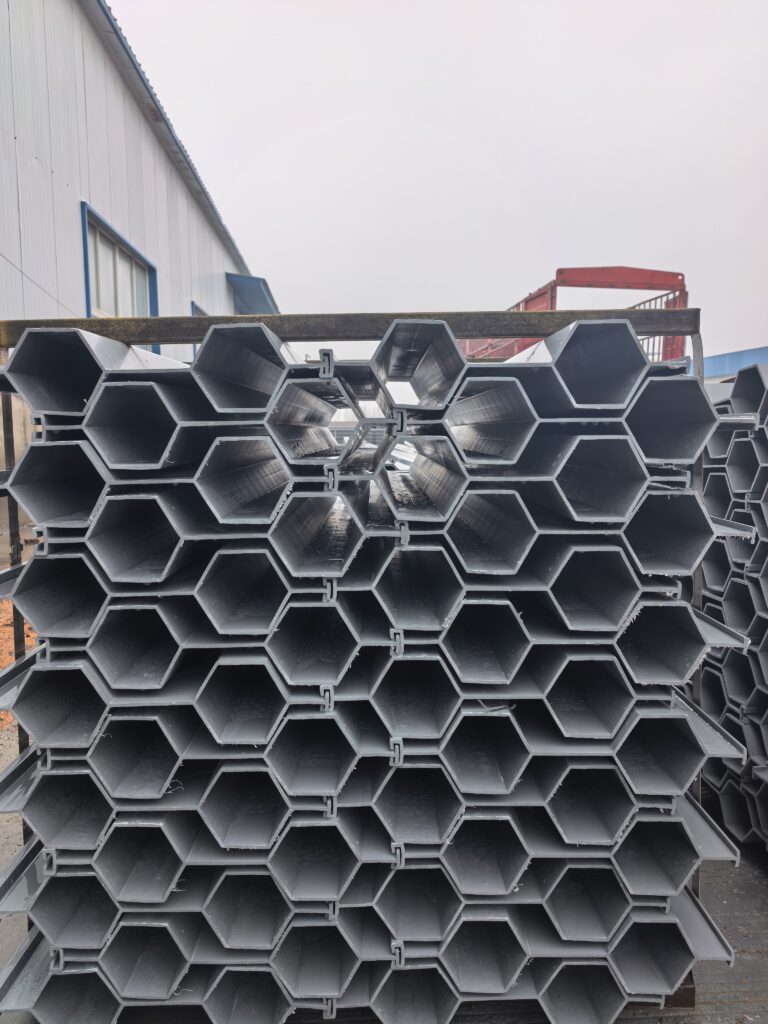
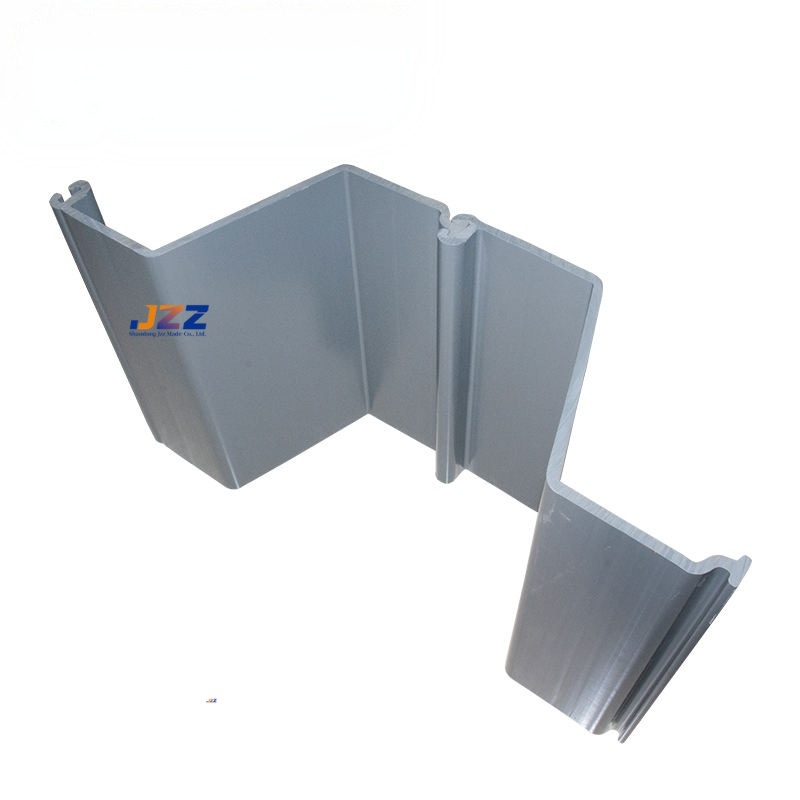
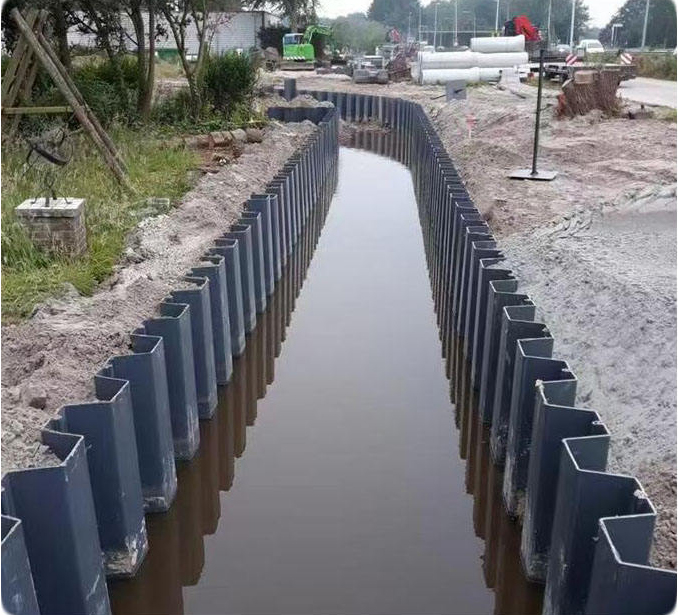
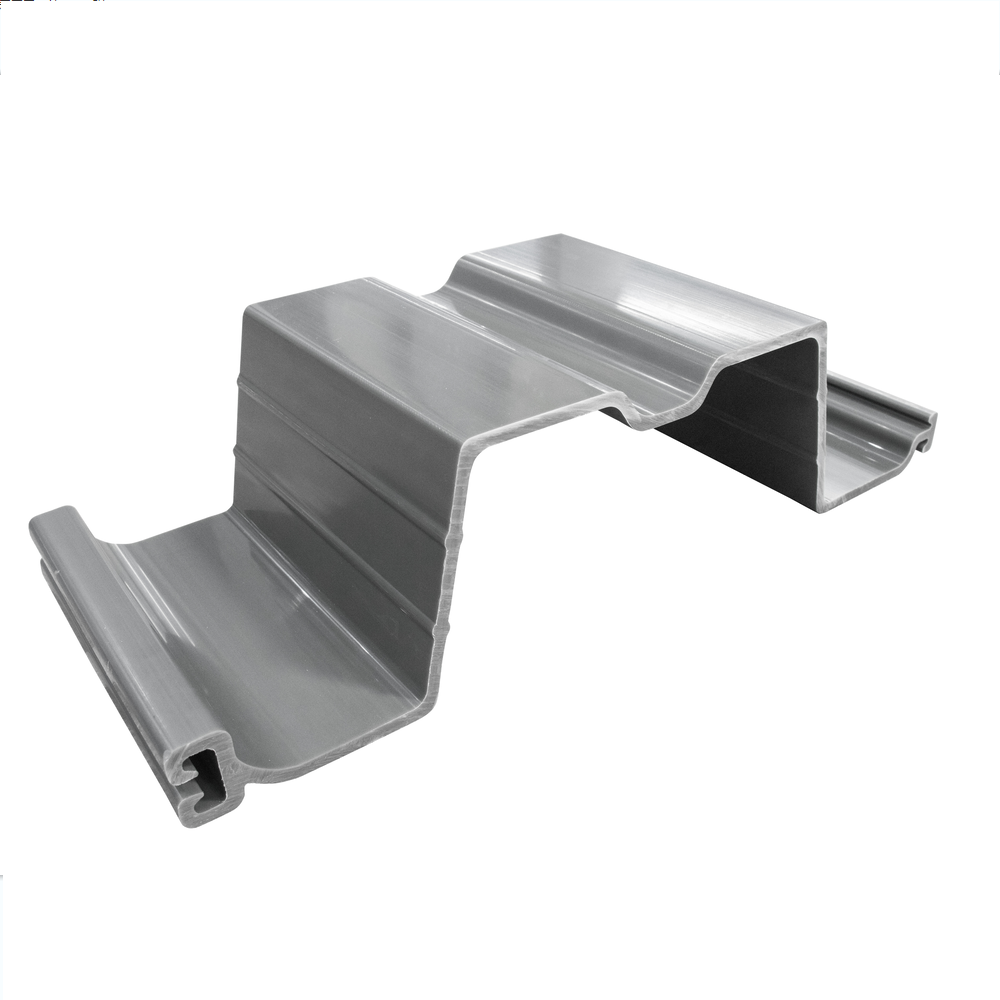
The use of high-moment-of-inertia cross-sections (e.g., U-shaped) disperses stress and improves lateral bending resistance, withstanding external impacts and deformation losses. Combined with multi-directional interlocking joints or C-T connectors, mechanical interlocking achieves a tight sealed connection.
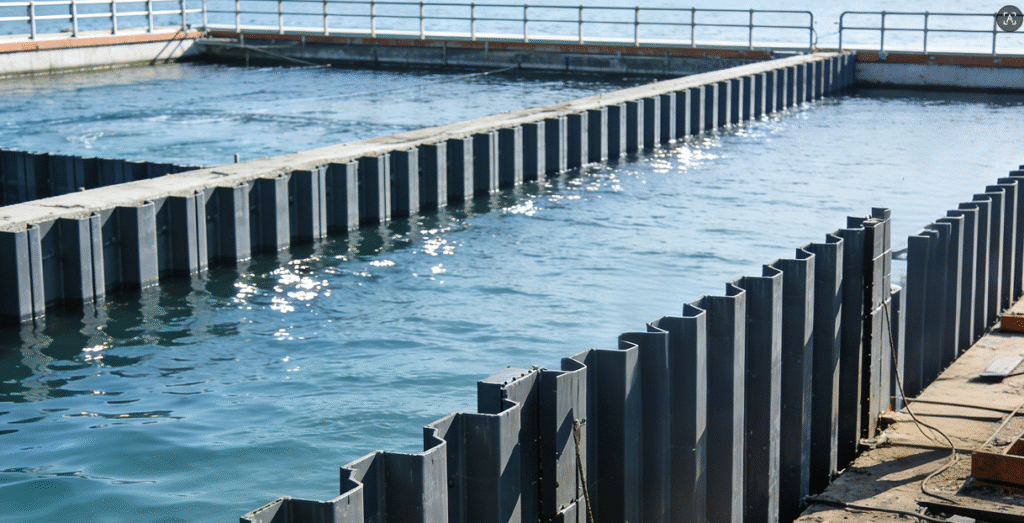
Sealed connections ensure project stability while blocking medium penetration, preventing joints from becoming weak points. Installation is convenient and efficient. In riverbank protection projects, they form effective barriers against water erosion and joint aging.
IV. Application Validation: Proven Longevity Across Diverse Scenarios
Their longevity has been verified in multiple projects. At the Tanqiao Line in Haiyan, Jiaxing, and the Xiejian Line in Haining, these structures demonstrated long-term stability and resistance to performance degradation, significantly reducing lifecycle maintenance costs.
In marine engineering, municipal excavation pits, and other scenarios, its service life reaches 2-3 times that of traditional materials, reliably withstanding saltwater corrosion and water erosion, validating the reliability and versatility of its “longevity gene.”
V. Green Attributes: Collaborative Environmental Value Across the Entire Lifecycle
718 plastic-steel sheet piles are recyclable and reprocessable, featuring low-energy, non-toxic production that aligns with green circular concepts. With a design lifespan exceeding 50 years and maintenance-free operation, they reduce production costs by 20% and overall project expenses by 30% compared to traditional steel sheet piles, unifying durability, economy, and environmental sustainability.
Conclusion: The “longevity gene” of 718 plastic-steel sheet piles stems from the integration of material, process, and structural design. It effectively addresses the pain points of traditional materials, progressively replacing them across multiple sectors to deliver long-term, eco-friendly engineering solutions.