



I. Core Product Characteristics: Specialized Design for Hydraulic Conditions
This product precisely addresses the demands of hydraulic engineering, including high-water environments and severe corrosion. Its material and structural design offer unique advantages. Utilizing eco-friendly PVC—non-toxic and recyclable—it undergoes modification to achieve exceptional corrosion resistance, withstanding erosion from various water bodies. This solves the pain point of traditional pile wear, offering a service life exceeding 50 years with no periodic maintenance required, thereby reducing long-term operational costs.
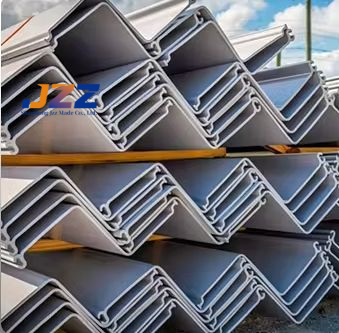
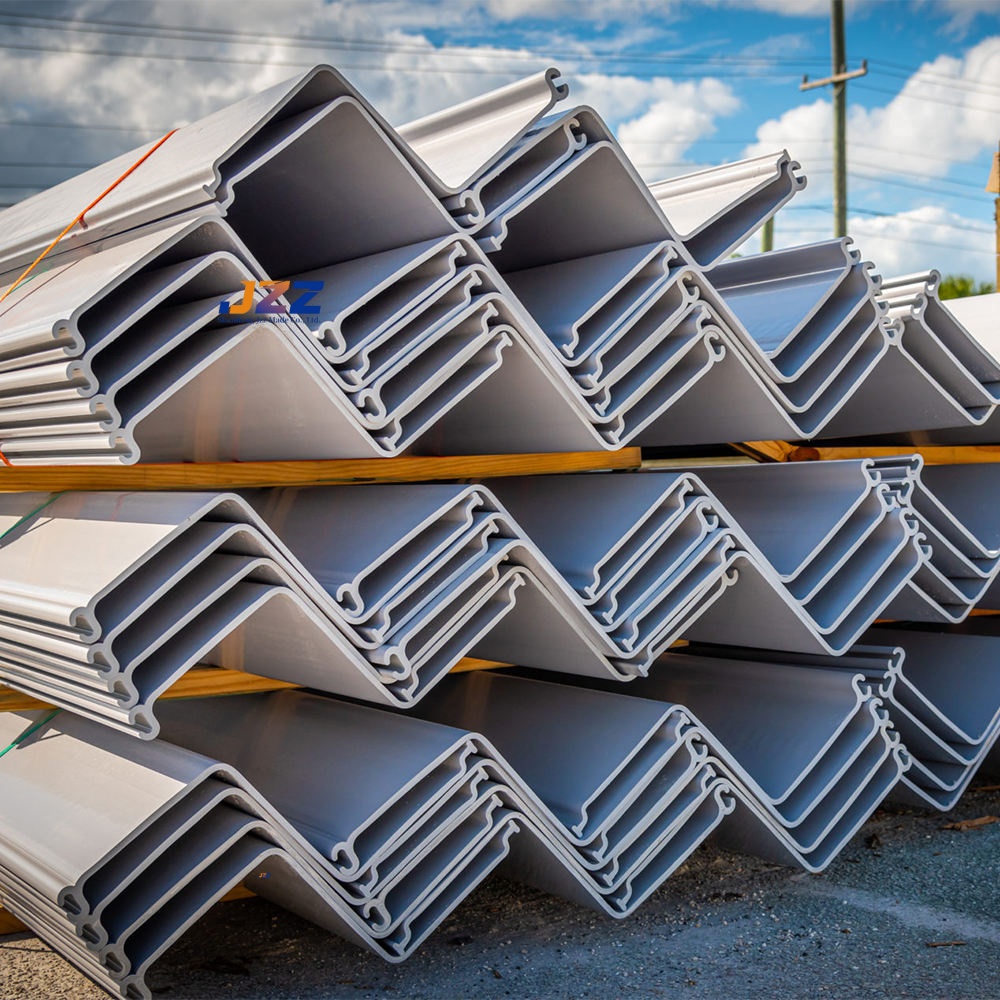
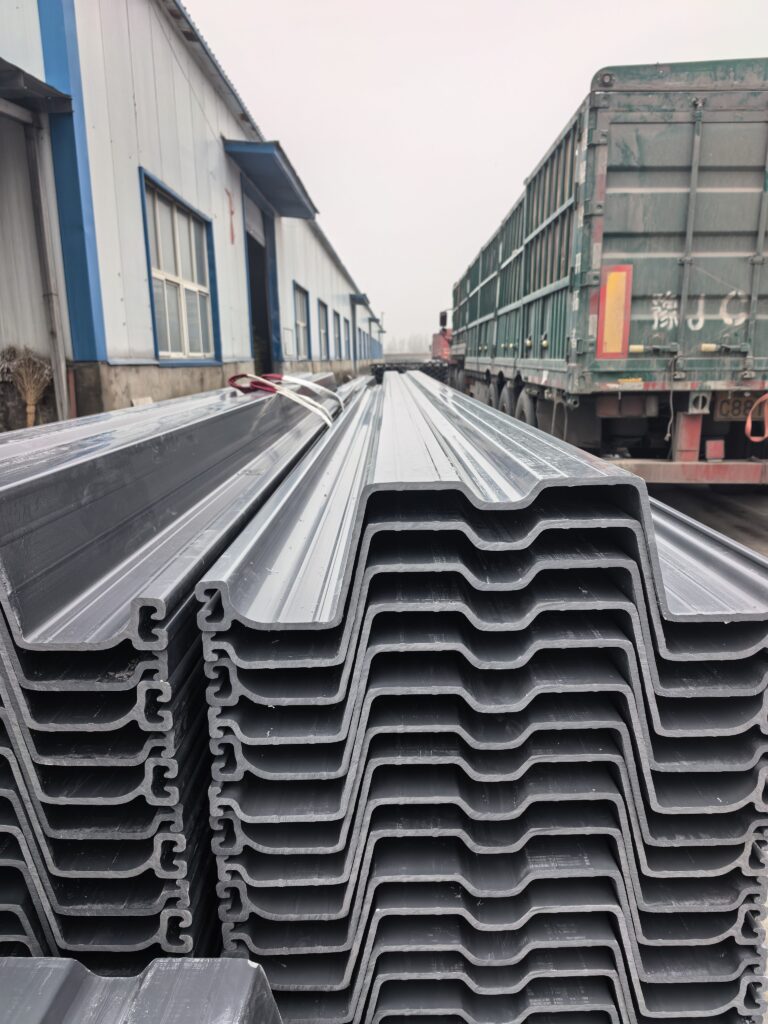
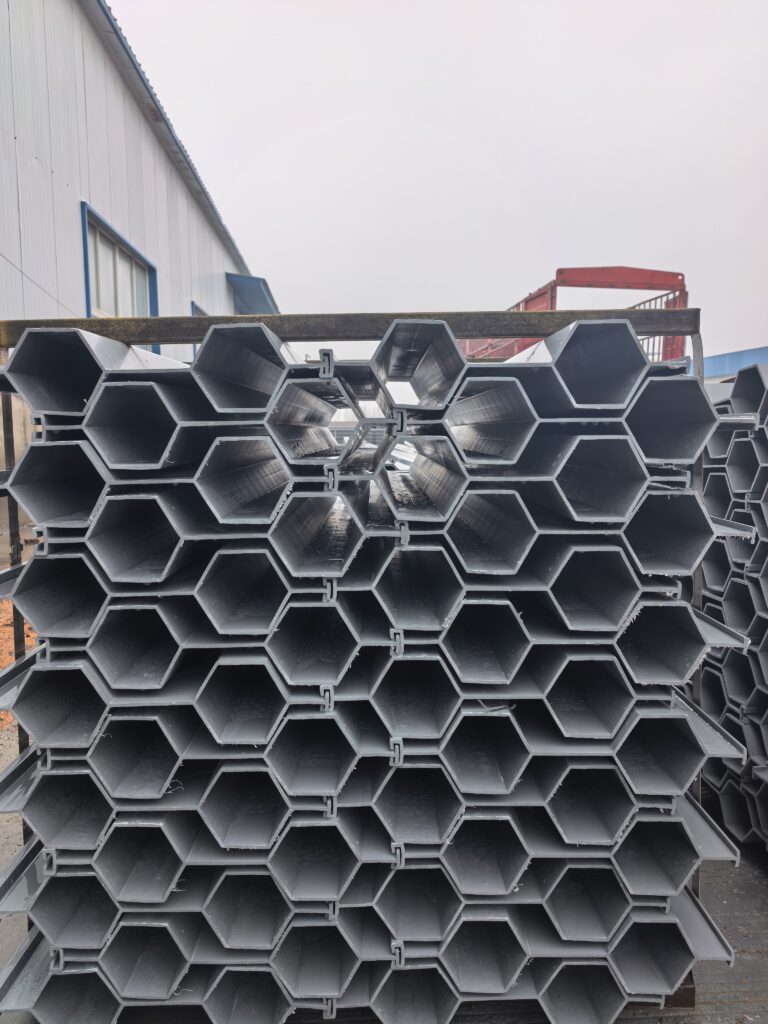
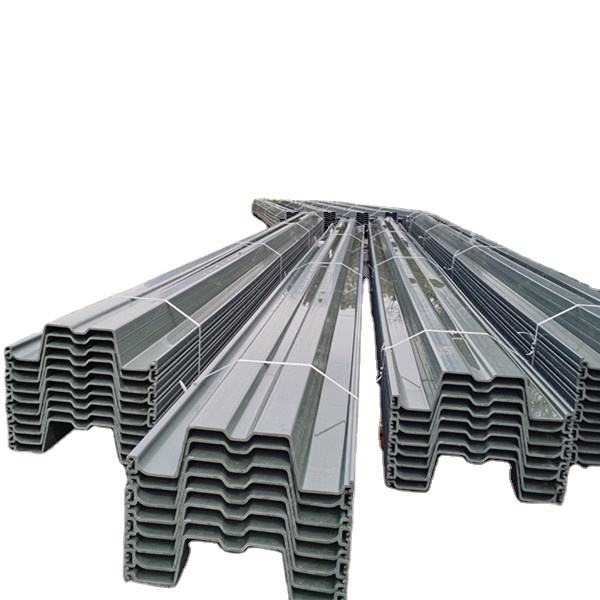
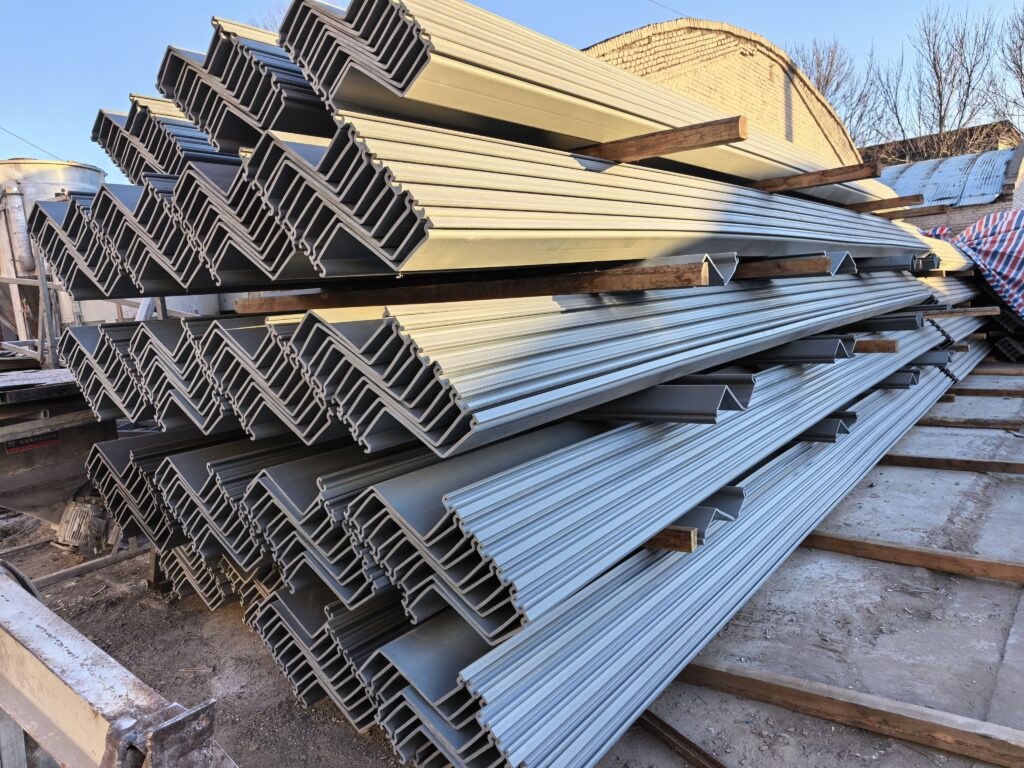
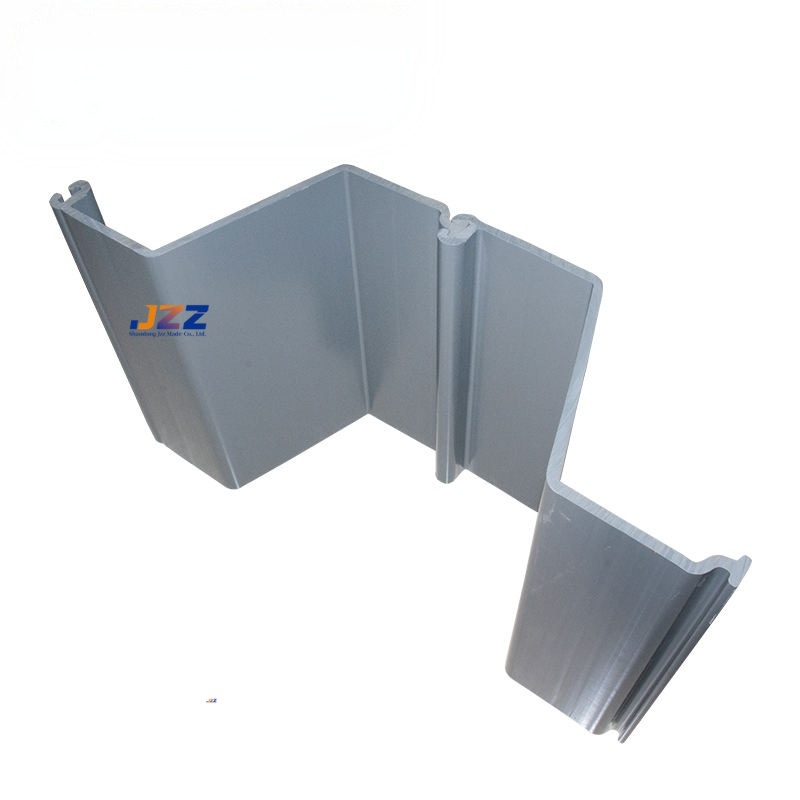
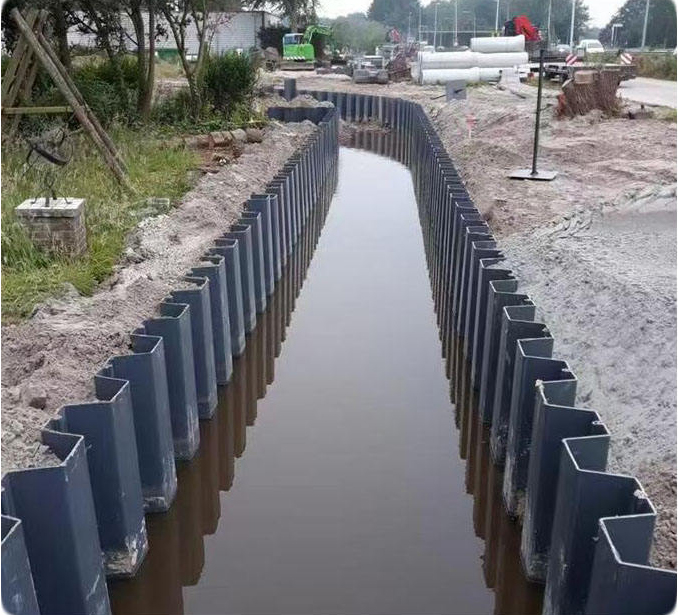
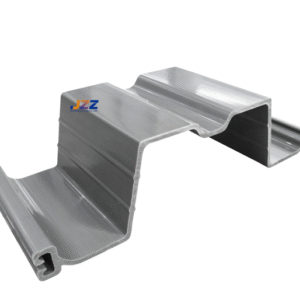
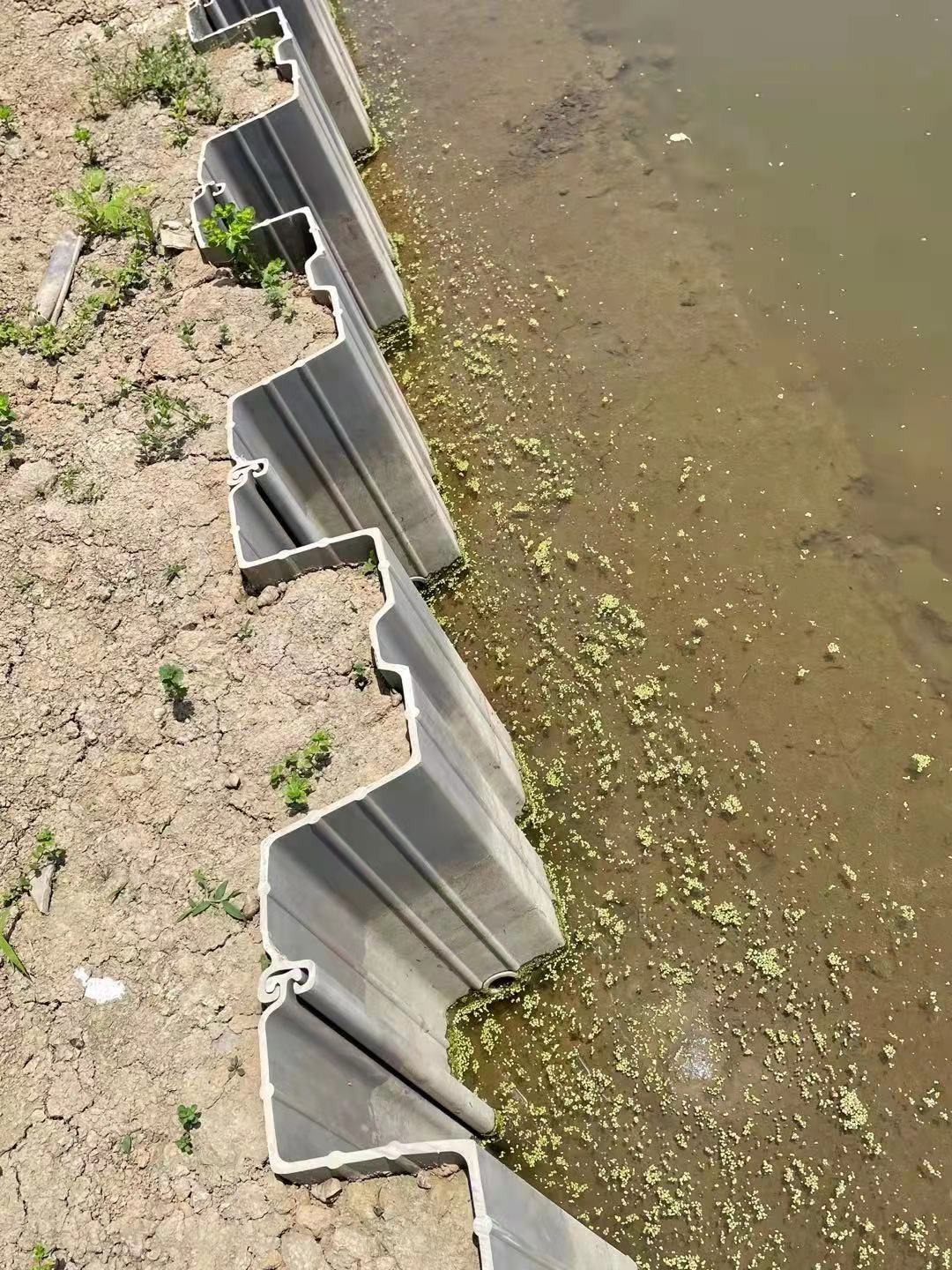
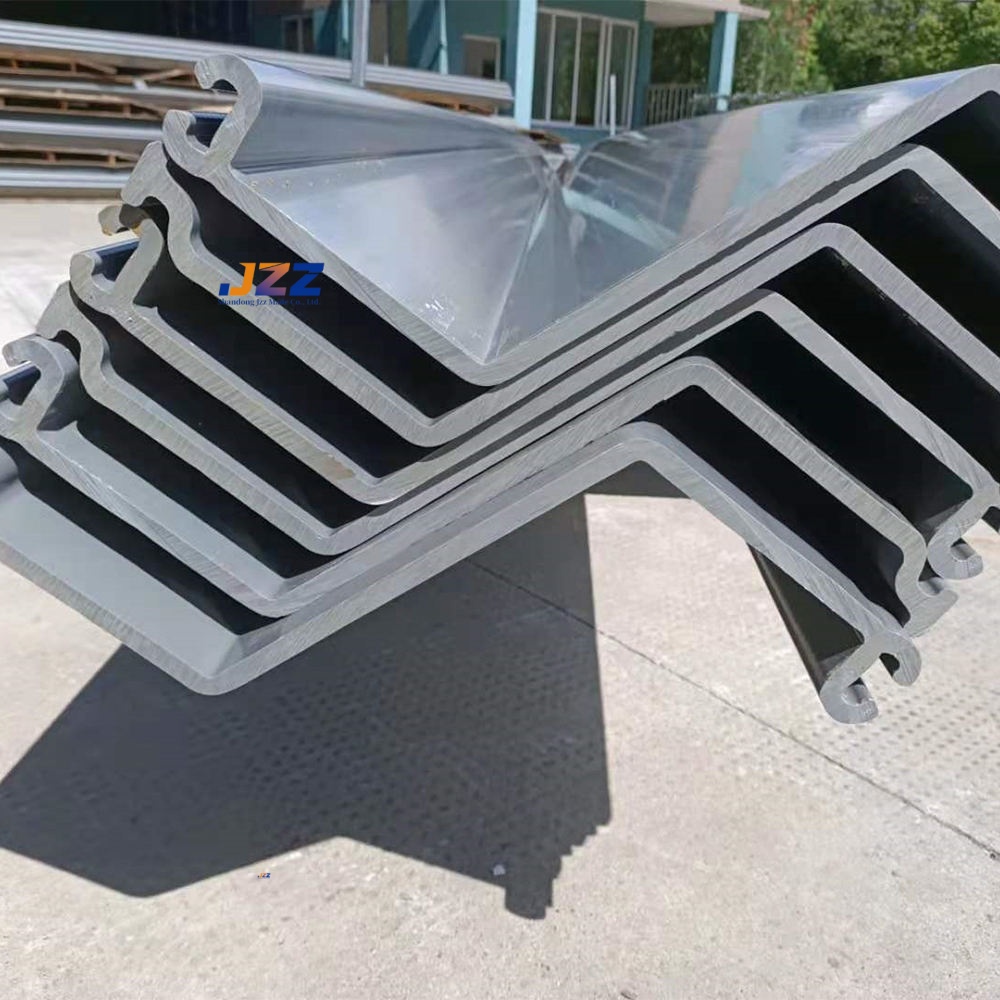
Structurally, it employs high-moment-of-inertia cross-sections with multi-directional interlocking joints and modular assembly. Each pile achieves ≥48MPa tensile strength and ≥75MPa compressive strength, delivering outstanding lateral bending resistance when combined to withstand floods, water currents, and soil pressure. Offered in U-shaped (718mm width), Z-shaped (254mm depth), and cylindrical configurations. The cylindrical type incorporates removable internal bracing with external reinforcement ribs, allowing flexible selection based on site conditions to suit diverse hydraulic scenarios.
II. Construction Efficiency Advantages: Empowering Streamlined Hydraulic Engineering
Lightweight and modular design are core construction highlights, significantly streamlining processes while reducing reliance on equipment, labor, and environmental constraints. Ideal for water conservancy projects with tight schedules and complex terrain. Weighing only 1/8th of traditional steel sheet piles, no heavy lifting equipment is required. Manual deployment with small machinery is sufficient, reducing transportation costs by over 20%. Accessible to narrow areas and wetlands inaccessible to large machinery.
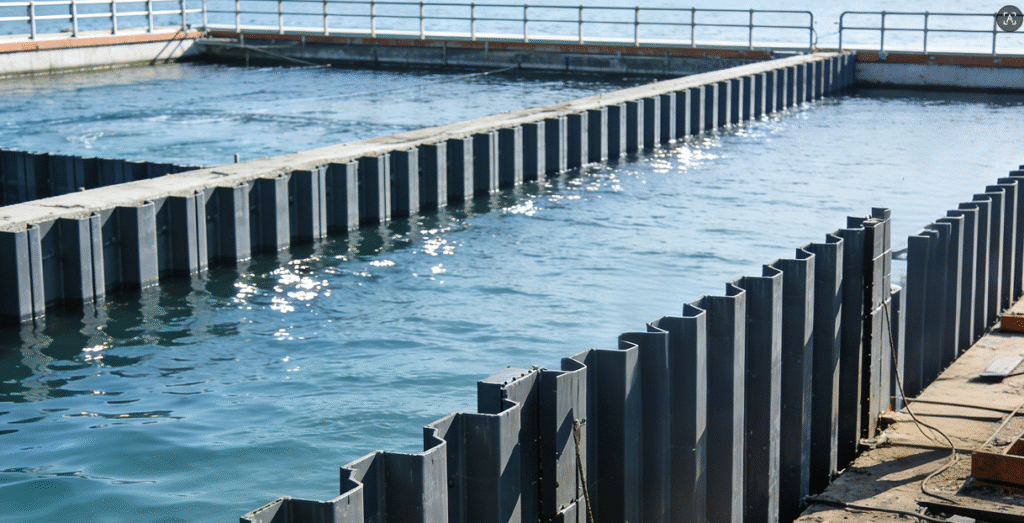
Installation employs a “building block” assembly technique. Interlocking joints with sealing strips eliminate welding or pouring, ensuring tight connections and strong impermeability. Construction methods adapt to geological conditions: manual insertion in shallow water, light equipment in deep water or complex strata. Sinking speed reaches 4-7 meters per minute (peak 12 meters per minute), delivering over 10 times the efficiency of traditional methods. Specialized connectors accommodate complex geometries without on-site cutting, shortening project timelines and reducing overall costs by approximately 30%.
III. Unique Value for Water Conservancy Projects: Dual Assurance of Ecology and Functionality
This product addresses the shortcomings of traditional materials while enabling synergistic development of engineering and ecology. In flood control, its superior impact resistance and stability allow rapid construction of temporary barriers for effective seepage and waterlogging prevention. For ecological bank protection, pre-designed ecological openings cultivate aquatic plants and provide habitats, avoiding the ecological damage caused by traditional revetments and supporting the creation of eco-friendly water conservancy projects.
IV. Core Competitive Advantages and Development Prospects
Boasting four key strengths—“easy installation, durable corrosion resistance, ecological sustainability, and cost-effectiveness”—it significantly outperforms traditional materials. Certified by the Ministry of Water Resources, it leverages 135 patents and university-industry collaborations for continuous performance upgrades, meeting customized hydraulic engineering requirements.
Driven by ecological water conservancy trends, market demand for this product is rising. It finds broad application in river channel remediation, reservoir reinforcement, emergency flood control, and other scenarios. Its efficiency, durability, and ecological benefits support enhanced quality and efficiency in water conservancy projects, positioning it to become an industry-leading material.