



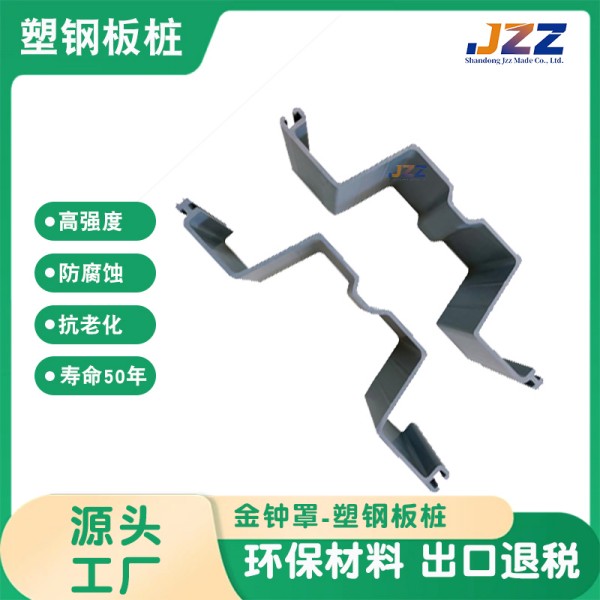
Core Product Features
Exceptional Environmental Performance
Non-toxic Material Composition: Constructed from eco-friendly polymer-reinforced composite materials, free from harmful substances like lead and plasticizers, ensuring zero pollution to water quality and soil during construction and use.
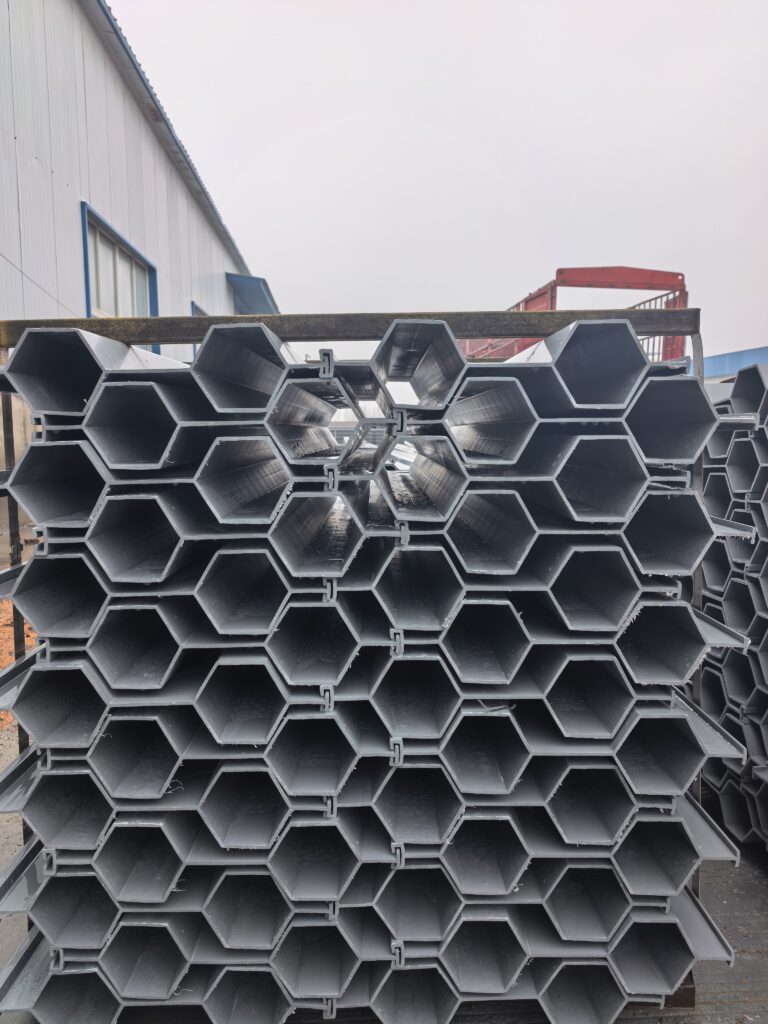
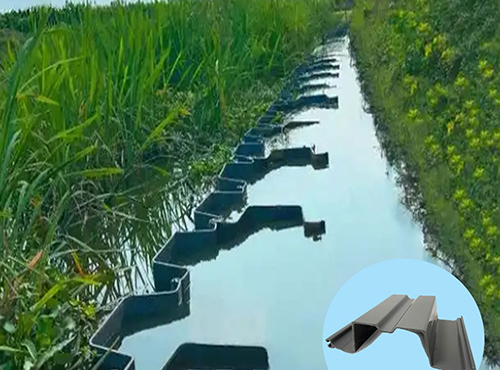
Eco-Friendly Design: Promotes water circulation through ecological pore structures, enhances self-purification capabilities, and provides habitats for aquatic life, achieving harmonious coexistence between engineering and nature.
High Strength and Durability
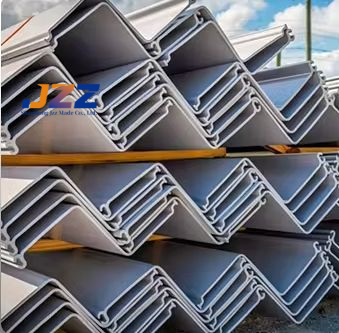
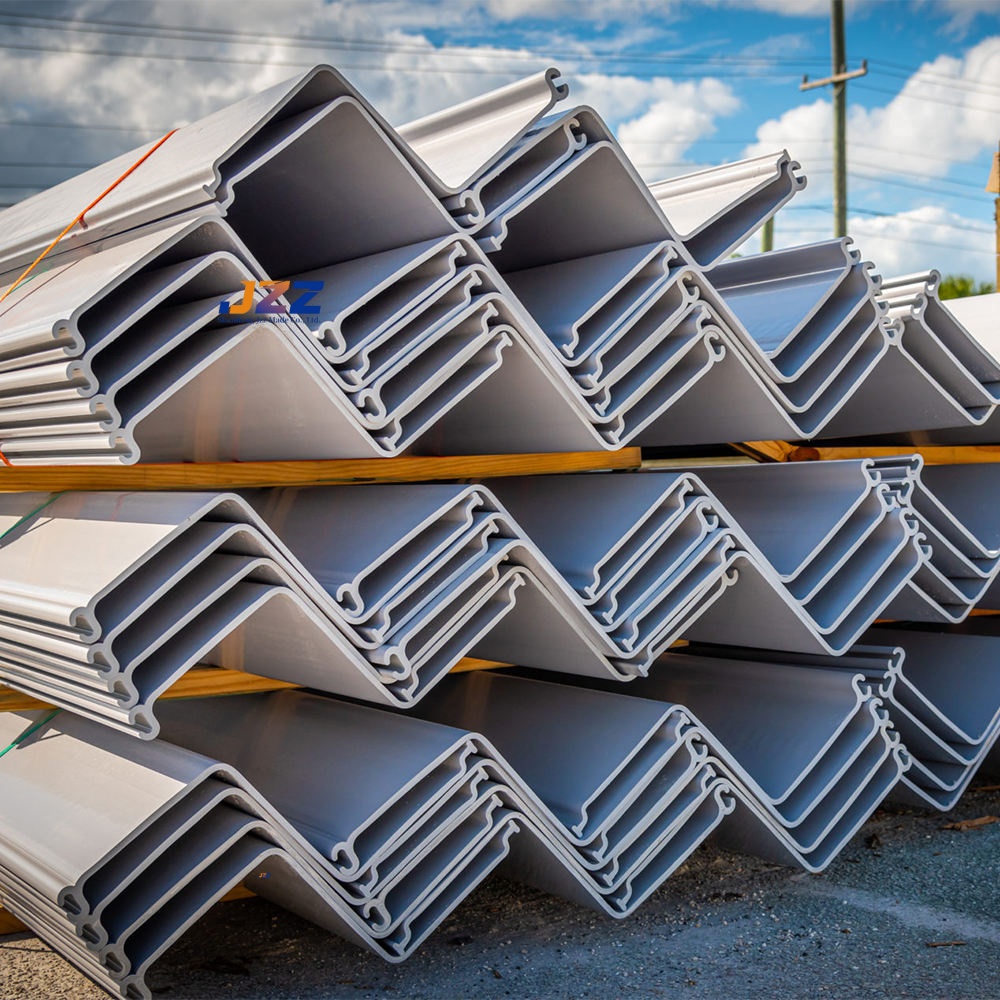
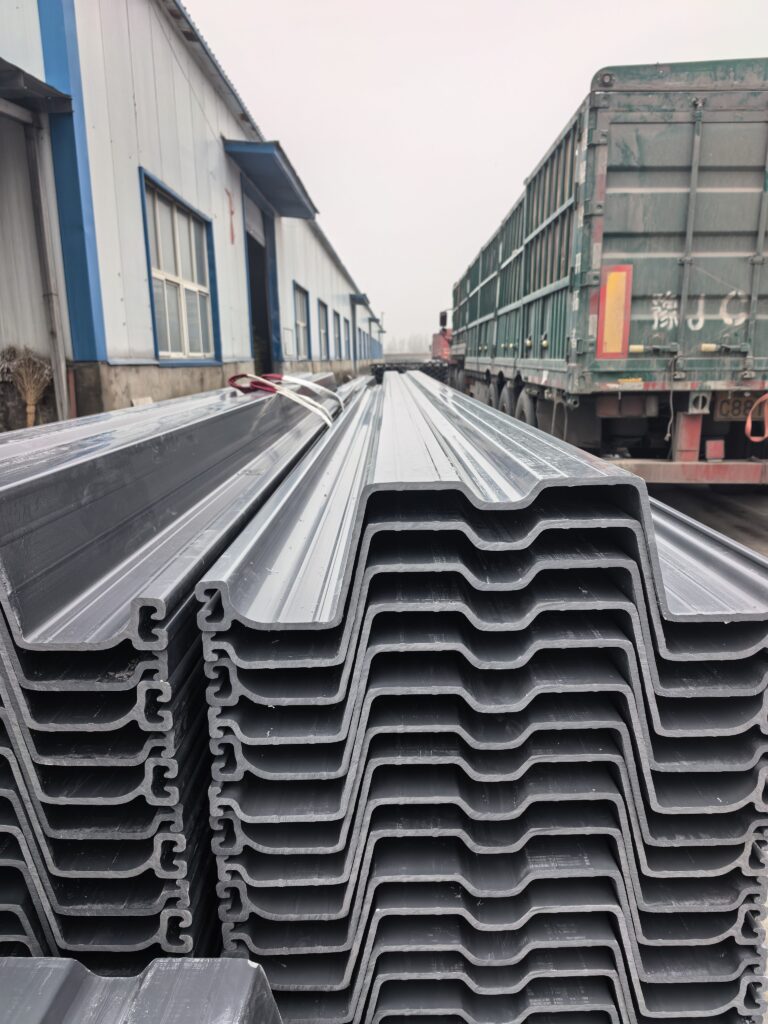
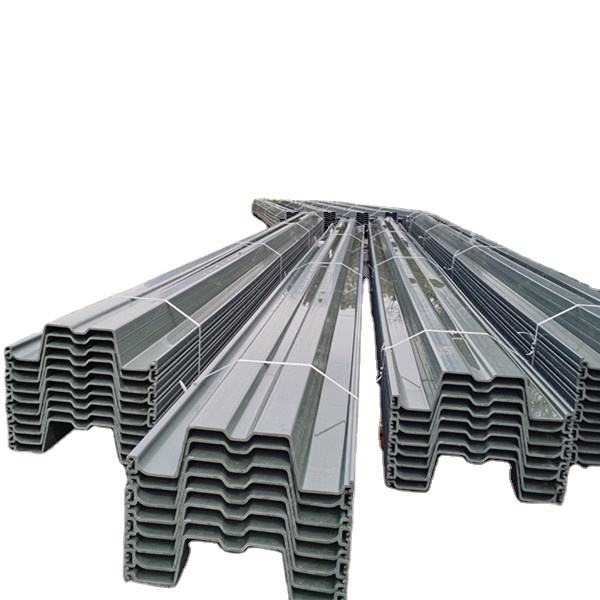
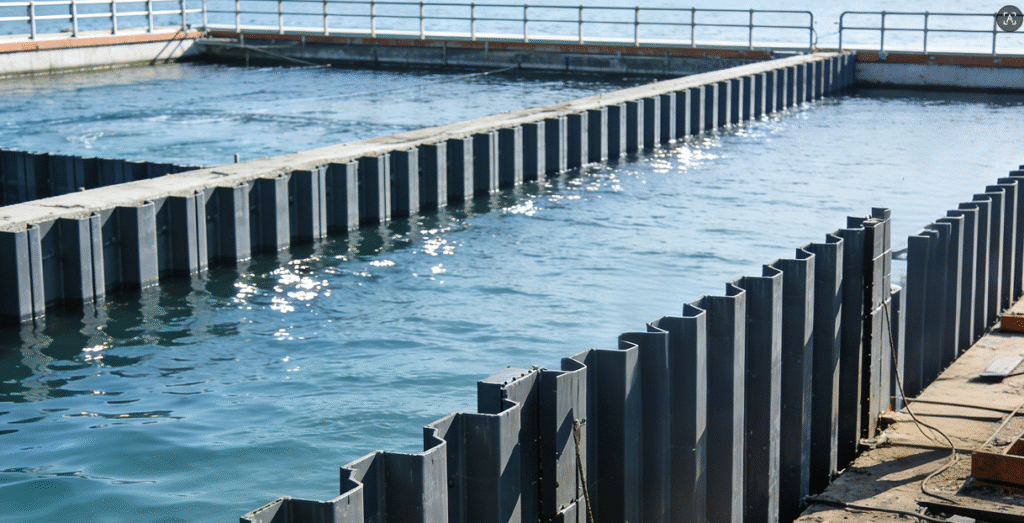
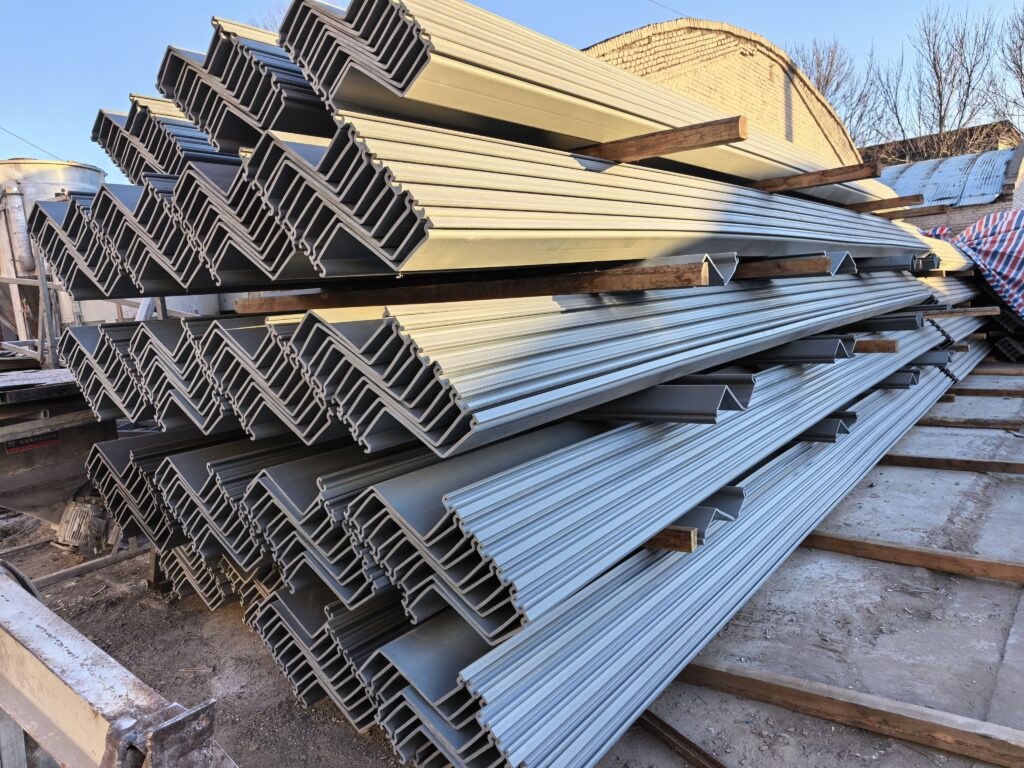
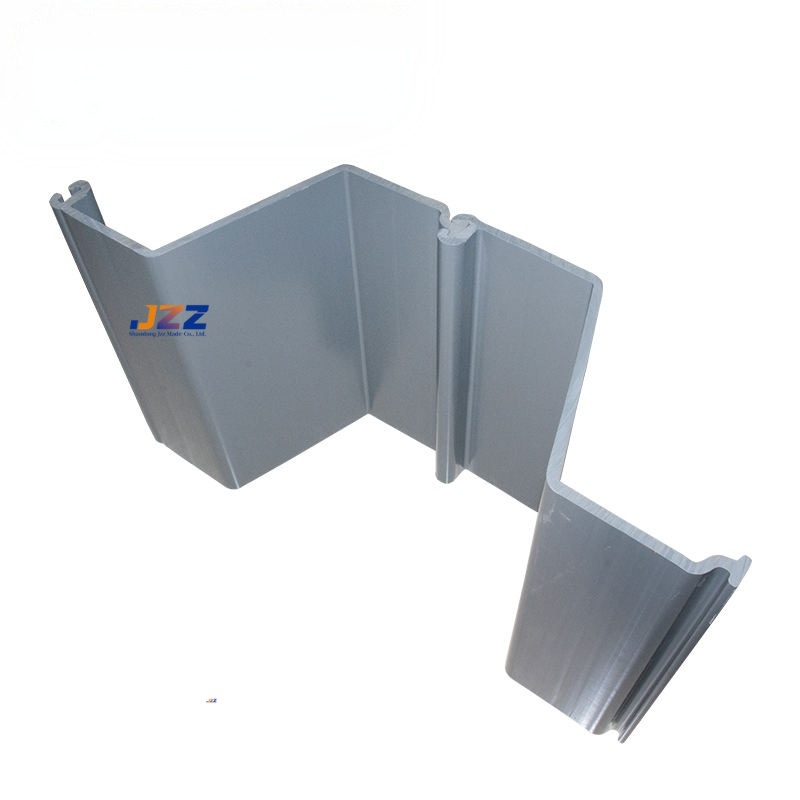
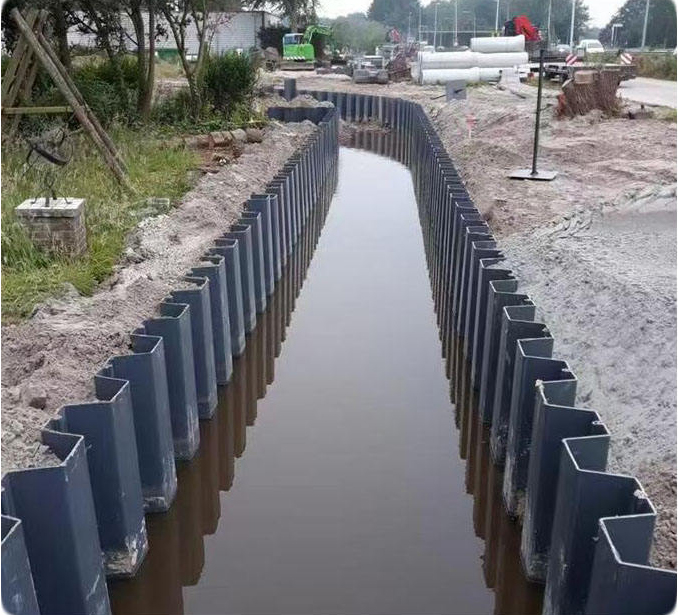
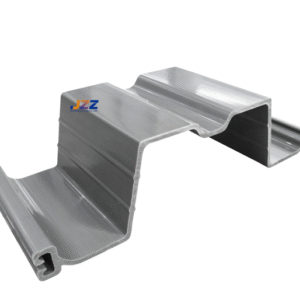
Mechanically Optimized Structure: W4 cross-section with high moment of inertia, engineered based on mechanical principles, paired with multi-directional interlocking joints. Forms a continuous, high-strength bank protection system with significantly superior lateral bending resistance compared to traditional materials.
Long-Term Stability: Corrosion-resistant and low-temperature tolerant. Tensile strength reaches 43-44 MPa, flexural strength 63-71 MPa. Service life exceeds 50 years with no post-installation maintenance required.
Plastic-Steel Sheet Piles: Eco-Friendly High-Strength Bank Protection Material, a New Choice for Easy Construction
I. Product Overview: A Revolutionary Breakthrough in Green Engineering Materials
As a major innovation in 21st-century engineering materials, plastic-steel sheet piles represent the transition from traditional bank protection materials to eco-friendly solutions. Manufactured from environmentally friendly polymer-reinforced composite materials, these sheet piles achieve a leap in material performance through specialized formulations and a single-extrusion molding process. Their core design philosophy integrates mechanical principles with ecological requirements. Featuring a high-moment-of-inertia W4 cross-section paired with a multi-directional interlocking joint system, they form a continuous, high-strength shoring system. This innovation not only resolves corrosion issues inherent in traditional metal piles but also establishes a new paradigm for harmonious coexistence between engineering materials and the natural environment.
1.1 Breakthroughs in Materials Science
The development of plastic-steel sheet piles overcomes functional limitations of conventional materials. By precisely controlling the molecular structure of polymer composites, it achieves:
* Optimal balance of strength and flexibility: Tensile strength reaches 43-44 MPa, flexural strength 63-71 MPa, while maintaining essential elastic deformation capacity
Environmental adaptability: Withstands temperatures from -40°C to 60°C with excellent UV aging resistance
Microstructural innovation: Patented reinforcement design significantly enhances tensile and flexural strength, preventing deformation during use
1.2 Ecological Design Philosophy
Product development consistently follows the “ecology-first” principle:
Harmless material system: Eliminates lead, plasticizers, and other hazardous substances, ensuring environmental safety throughout construction and use
Bio-friendly structure: Ecological pore design promotes water circulation and creates habitats for aquatic life
Landscape integration capability: Offers multiple color customization options to achieve visual harmony between engineering structures and natural landscapes
II. Core Advantages: Perfect Balance of Performance, Environmental Sustainability, and Economy
2.1 Outstanding Physical Properties
Structural stability: High-moment-of-inertia cross-section design increases lateral buckling resistance by 300%, effectively withstanding flood impacts and foundation deformation
Durability Breakthrough: 50-year service life design with corrosion resistance surpassing stainless steel, excelling in acidic/alkaline environments
Safety Redundancy: Single-pile load capacity rigorously validated to meet 1.5x safety factor requirements
2.2 Revolutionary Construction Experience
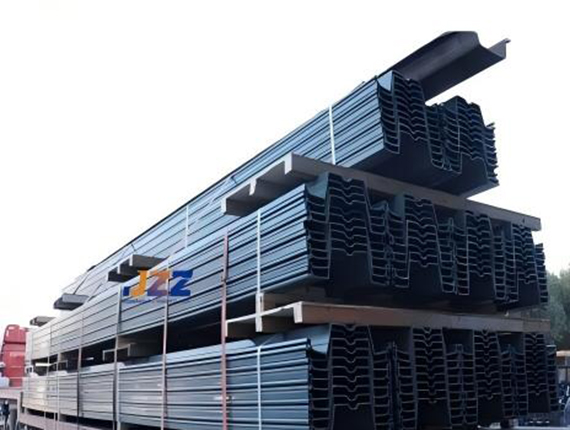
Lightweight Revolution: Weighs only 1/8 of traditional materials, manually transportable to reduce machinery dependency
Rapid Installation System: Hydraulic vibratory hammer construction achieves sinking speeds of 4-7 meters per minute, boosting efficiency by 5-10 times
Modular Design: Standard interfaces enable quick assembly, strong adaptability to complex terrain, and 100% construction success rate in gravel layers
Environmentally Friendly Construction: Eliminates large-scale excavation, reduces earthwork by 90%, and protects surrounding ecosystems
2.3 Full Lifecycle Economics
Initial Cost Advantage: Total cost is only 2/3 of traditional methods, with 80% reduction in transportation expenses
Zero Maintenance Cost: 50-year maintenance-free design eliminates long-term upkeep fees
Optimized Space Utilization: Compact structure saves land area, reducing acquisition costs
Emergency Response Value: Shortens project duration by 70% in disaster relief, minimizing indirect losses
III. Application Scenarios: Comprehensive Coverage from Urban to Wilderness
3.1 Hydraulic Engineering
River Management: Ecological bank protection solution validated in Yellow River remediation projects, effectively controlling slope erosion
Reservoir Construction: Demonstrated stability in water level fluctuation zones at the Shenjiakou Reservoir project
Flood Control: Rapidly constructs flood walls during emergency response, withstanding once-in-a-century floods
3.2 Urban Infrastructure
Excavation Support: Replaces traditional support systems in subway construction, saving 30% of construction space
Retaining Structures: Protects urban road slopes, unifying structural safety with landscape aesthetics
Underground Spaces: Functions as a water-stopping curtain in utility tunnel construction, achieving a leakage rate below 0.01%
3.3 Ecological Restoration Projects
Wetland Conservation: Achieving zero water pollution during construction in the Xixi Wetland project
Coastal Protection: Salt-fog corrosion-resistant design meets coastal application requirements
Mine Rehabilitation: Constructing stable slopes in tailings pond remediation to promote vegetation restoration