



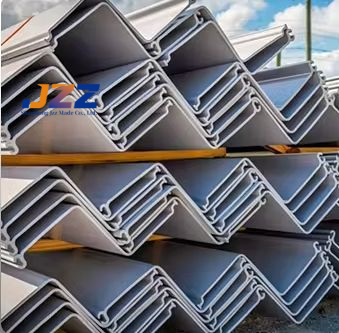
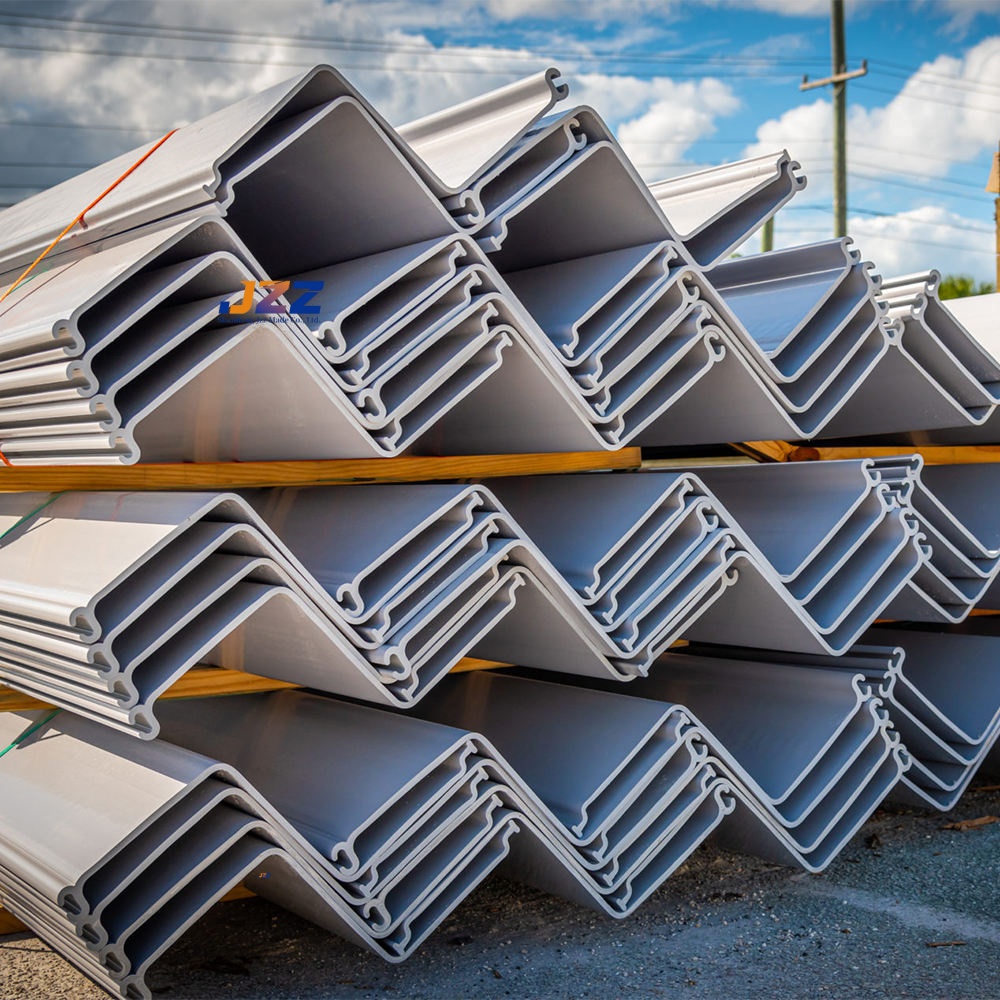
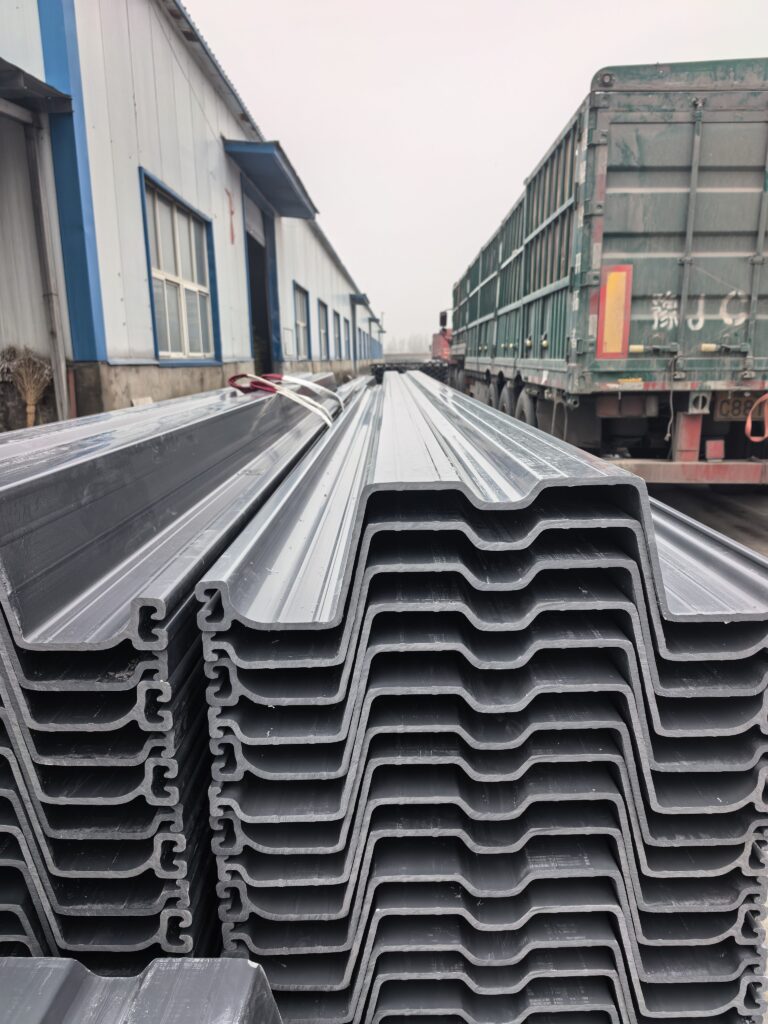
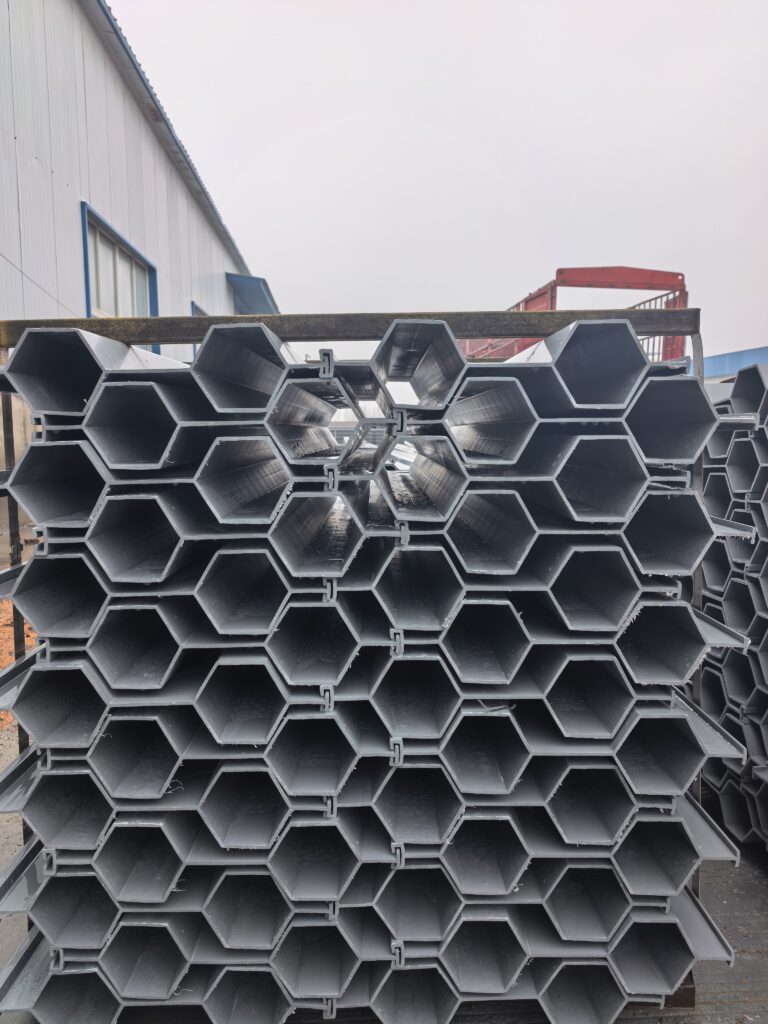
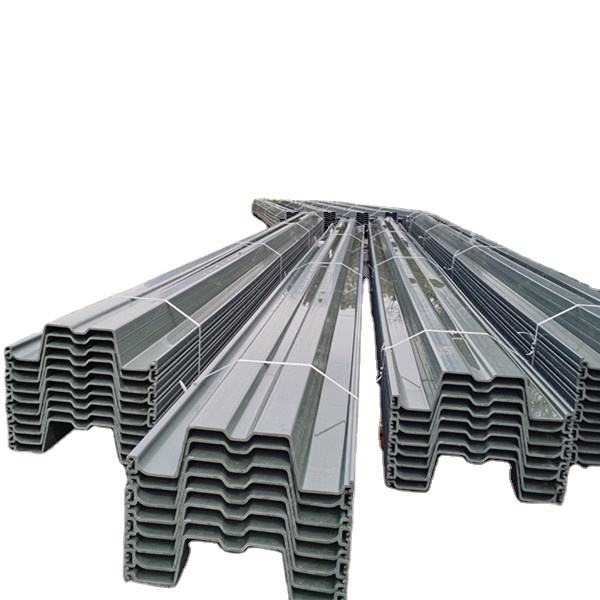
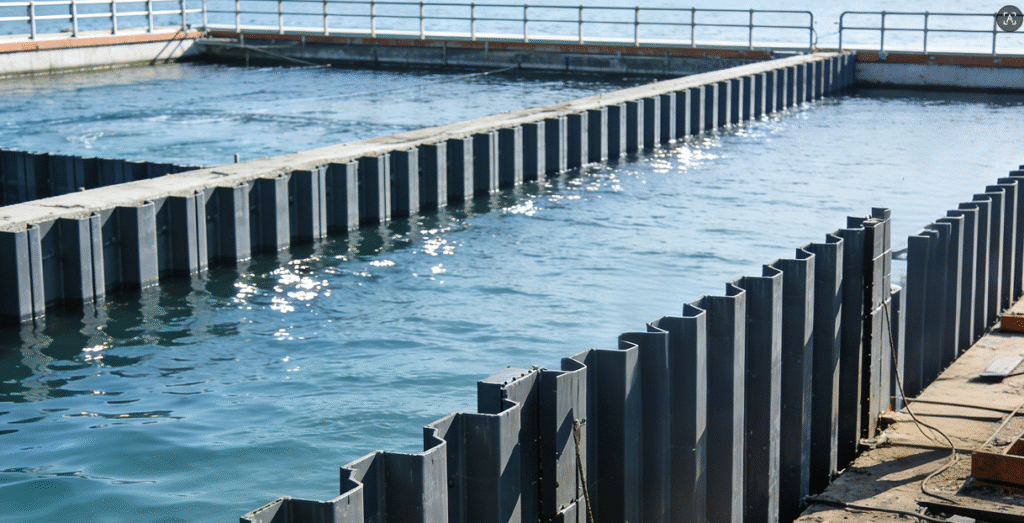
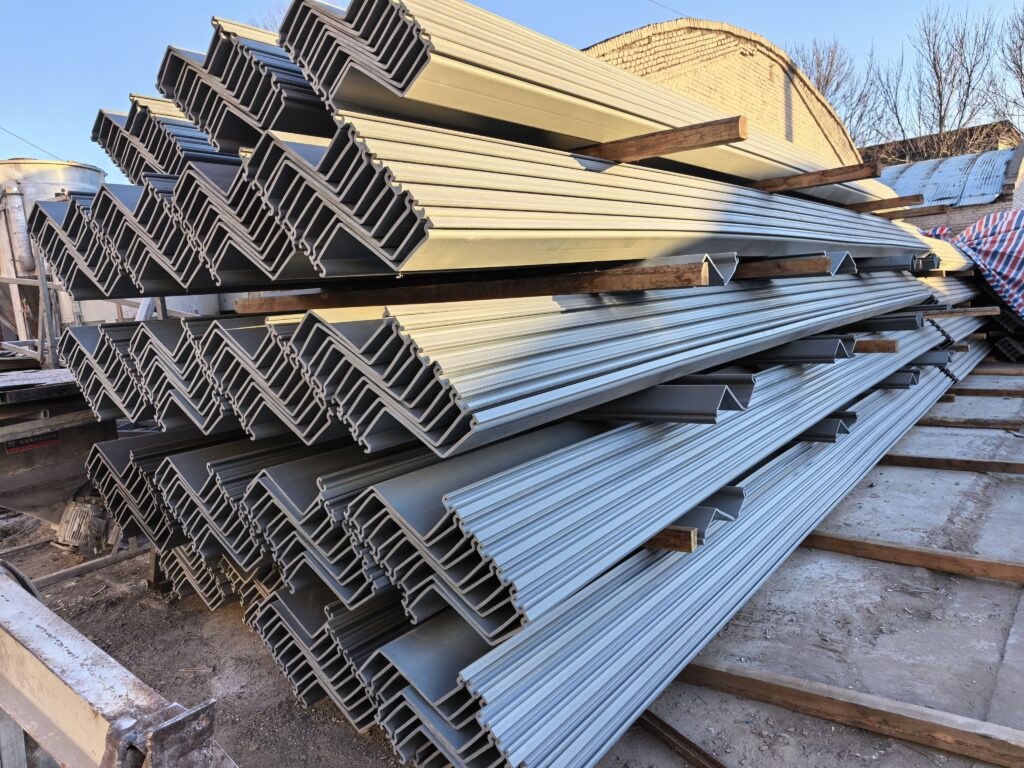
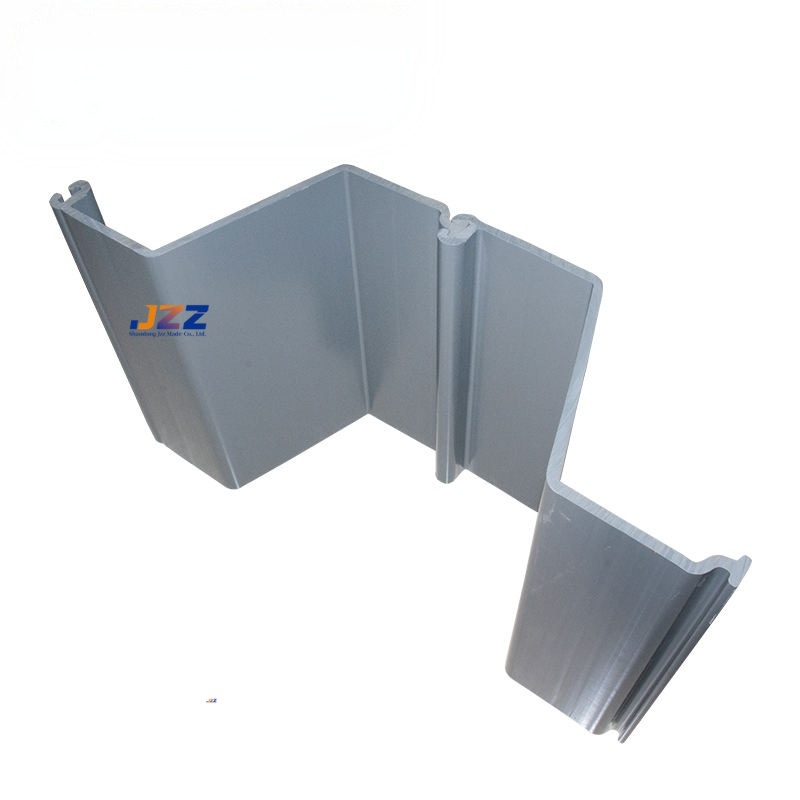
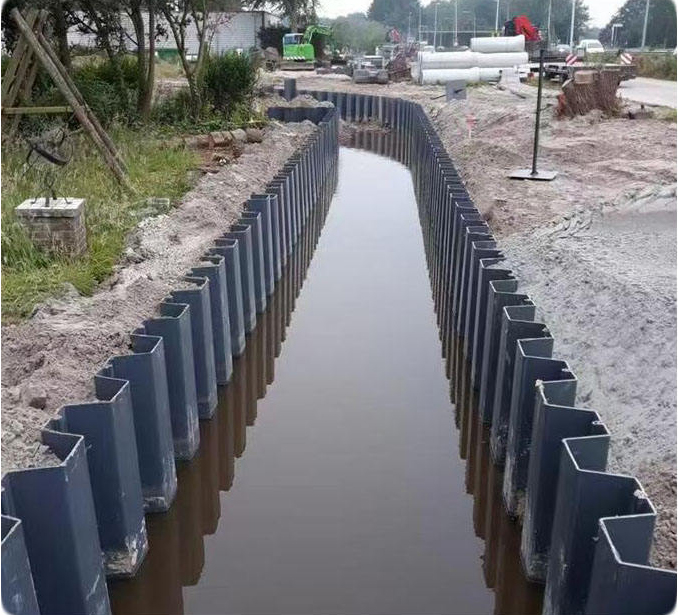
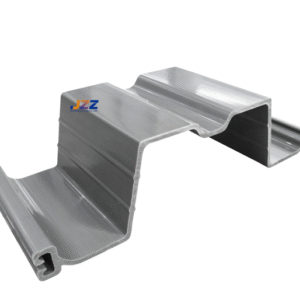
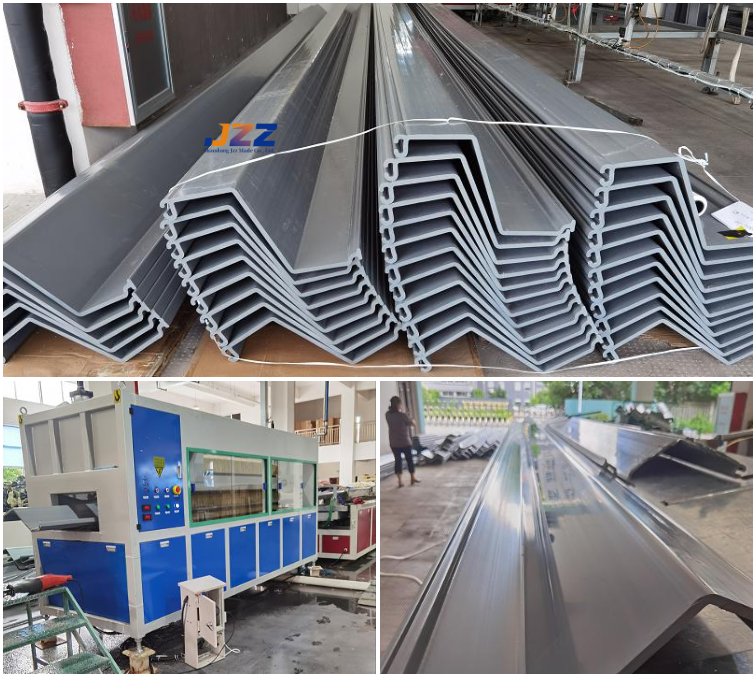
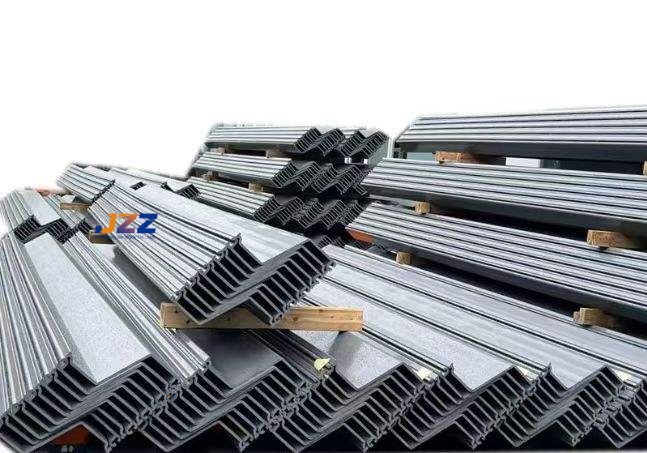
Core components of hydraulic engineering such as riverbank protection and embankment reinforcement demand exceptional resistance to scouring, impermeability, and construction efficiency. Traditional steel sheet piles are prone to corrosion, while concrete sheet piles involve cumbersome construction and poor ecological compatibility, failing to meet modern hydraulic engineering requirements for “high efficiency, long-term effectiveness, and ecological sustainability.” Plastic sheet piles, as a new composite material, have emerged as the preferred choice in this field due to their three core advantages: erosion resistance, leak prevention, and efficient construction. They provide stable and economical solutions for various projects.
Formed from polymer composite materials through specialized processes, they combine the weather resistance and corrosion protection of plastic with the structural strength of steel, offering significantly superior erosion resistance compared to traditional materials. With a smooth, resilient surface, these sheet piles boast compressive strength exceeding 500 MPa and flexural strength surpassing 60 MPa. They withstand high-velocity water flow and sediment abrasion while resisting UV radiation and acid/alkali water corrosion. Their service life exceeds 50 years in rivers, lakes, and oceans, providing robust protection for mountainous rapids and coastal tidal embankments while significantly reducing long-term maintenance costs.
Leak prevention is critical in water conservancy projects. The modular interlocking joints of plastic sheet piles fit tightly, forming a complete waterproof system without additional sealing. Their leakage rate falls far below industry standards, effectively preventing potential hazards like embankment piping and riverbank collapse. Some models feature ecological holes, ensuring waterproofing while enabling natural water-soil exchange, balancing engineering utility with ecological conservation.
Lightweight and modular design delivers construction efficiency far surpassing traditional materials. Weighing only 1/8th of conventional steel sheet piles, they require no heavy equipment, minimizing transportation and hoisting costs. Employing vibration or static pressure pile driving techniques, the modular assembly is as convenient as “building with blocks,” achieving over 10 times the construction efficiency of traditional materials and reducing project duration by 50%. This makes it particularly suitable for emergency reinforcement during flood seasons. Additionally, its low construction noise and minimal vibration cause little disturbance to the surrounding ecological environment, making it ideal for urban waterways and ecological lake projects.
Plastic sheet piles demonstrate exceptional adaptability, finding widespread application in ecological bank protection, dam reinforcement, port defense, and flood emergency response. In the Tanqiao Line Waterway Renovation Project in Haiyan, Jiaxing, their erosion resistance and anti-seepage performance have remained stable after years of testing, while the ecological pore design achieves a win-win for both engineering and ecology. Even in complex mountainous river channel management, they enable rapid bank protection construction to withstand torrential rain and flood impacts.
Aligning with China’s “dual carbon” goals and ecological water management principles, plastic sheet piles leverage advantages like environmental sustainability, recyclability, ecological compatibility, and long-term stability to effectively address limitations of traditional materials. They support enhanced quality, efficiency, and green transformation in water conservancy projects. As construction techniques advance, plastic sheet piles will play a central role in more major water conservancy initiatives, driving high-quality development in the sector.