



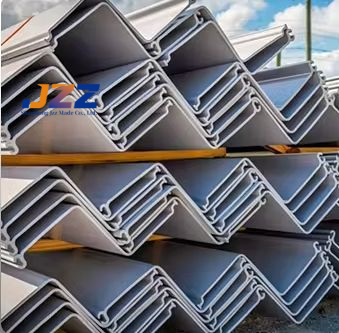
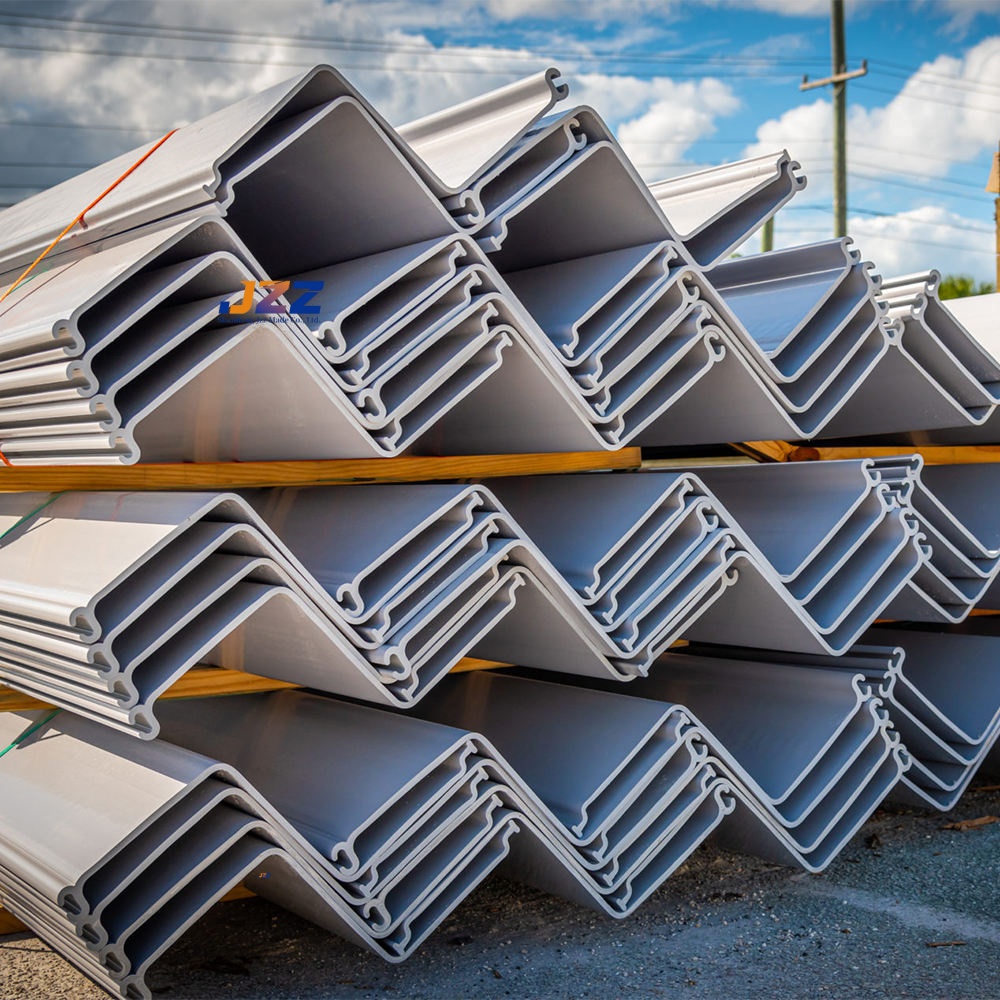
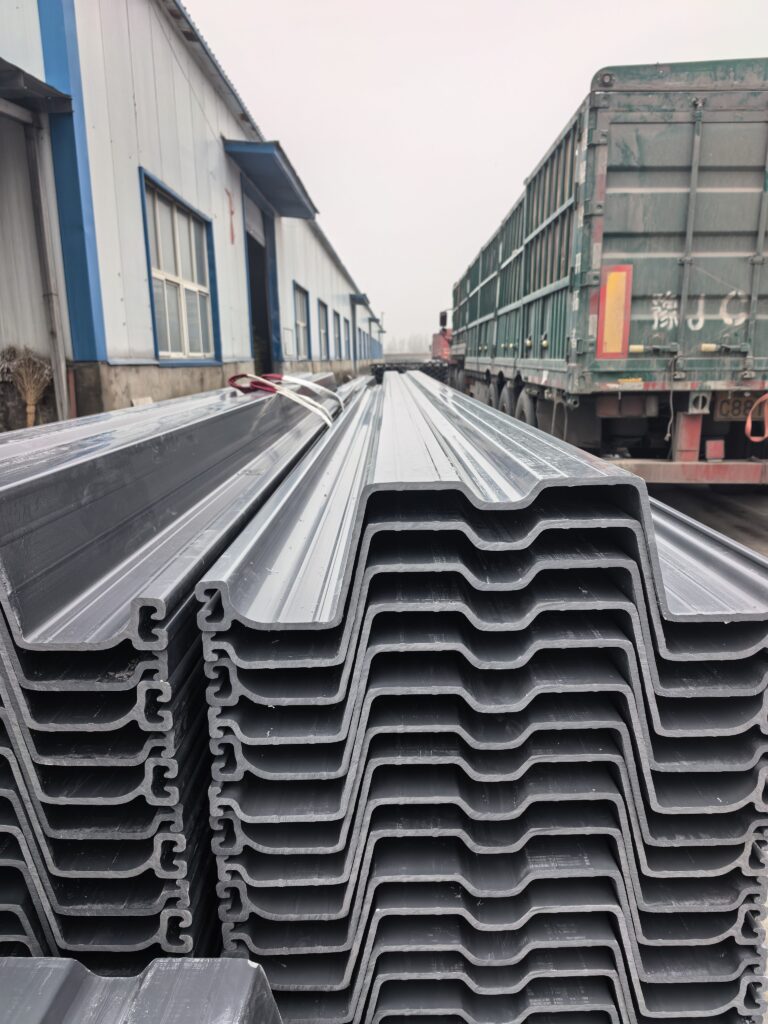
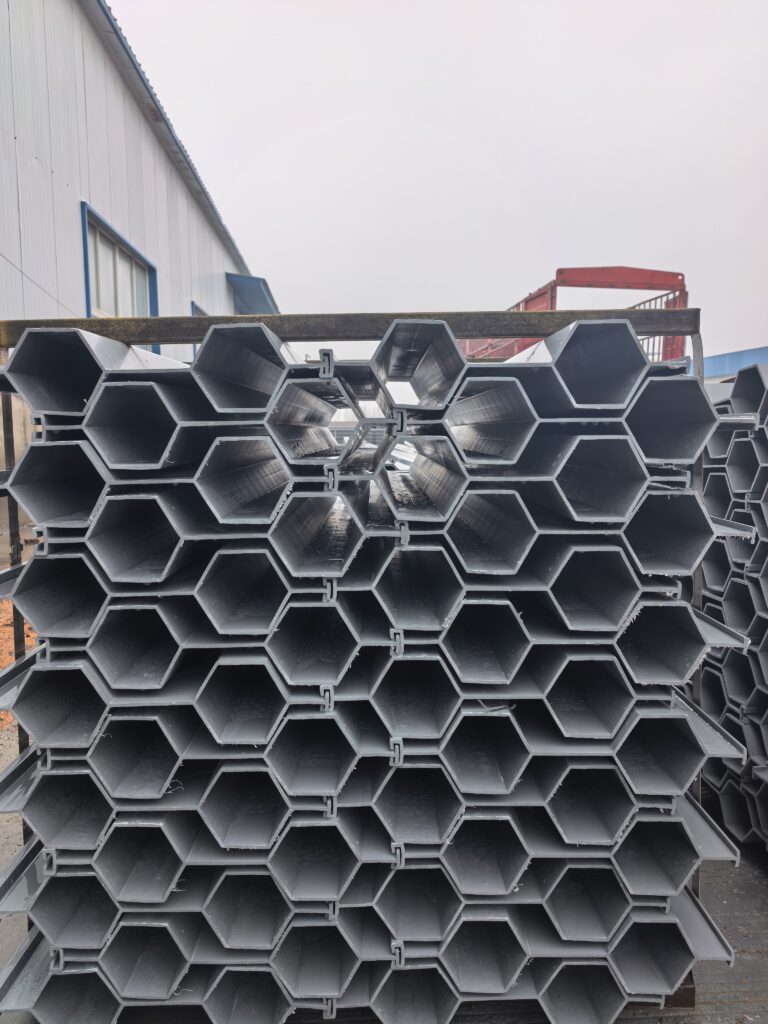
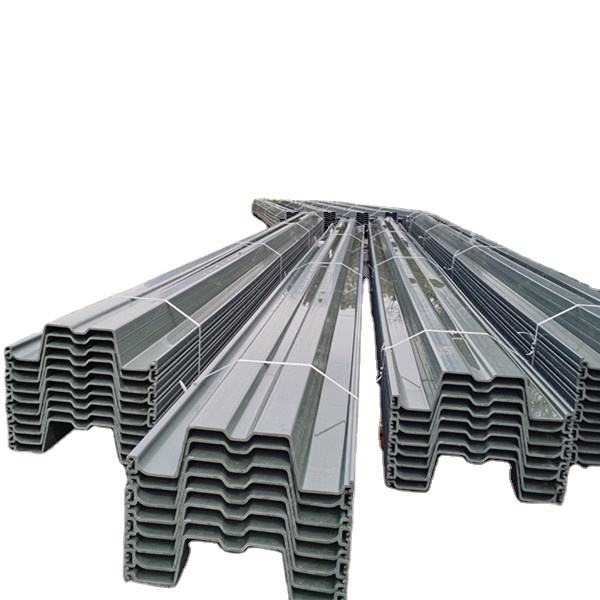
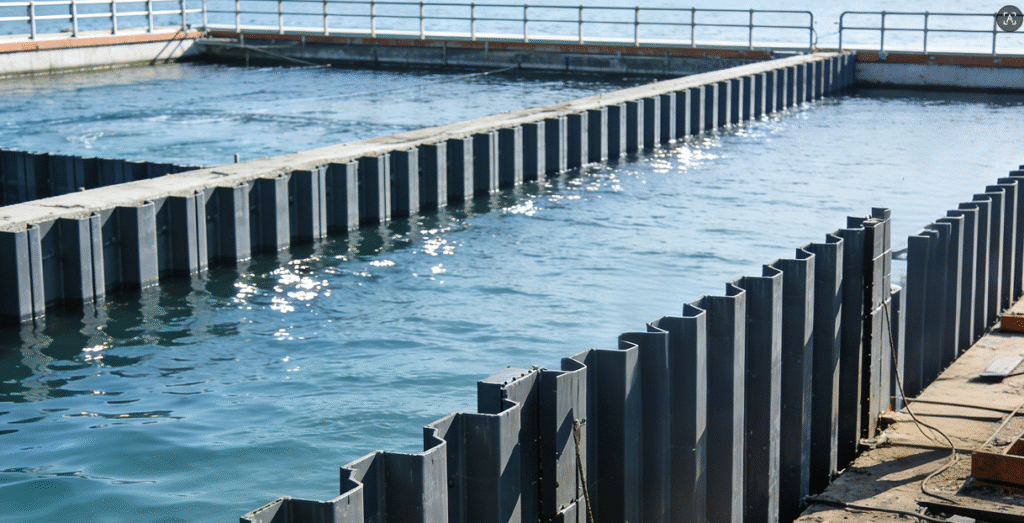
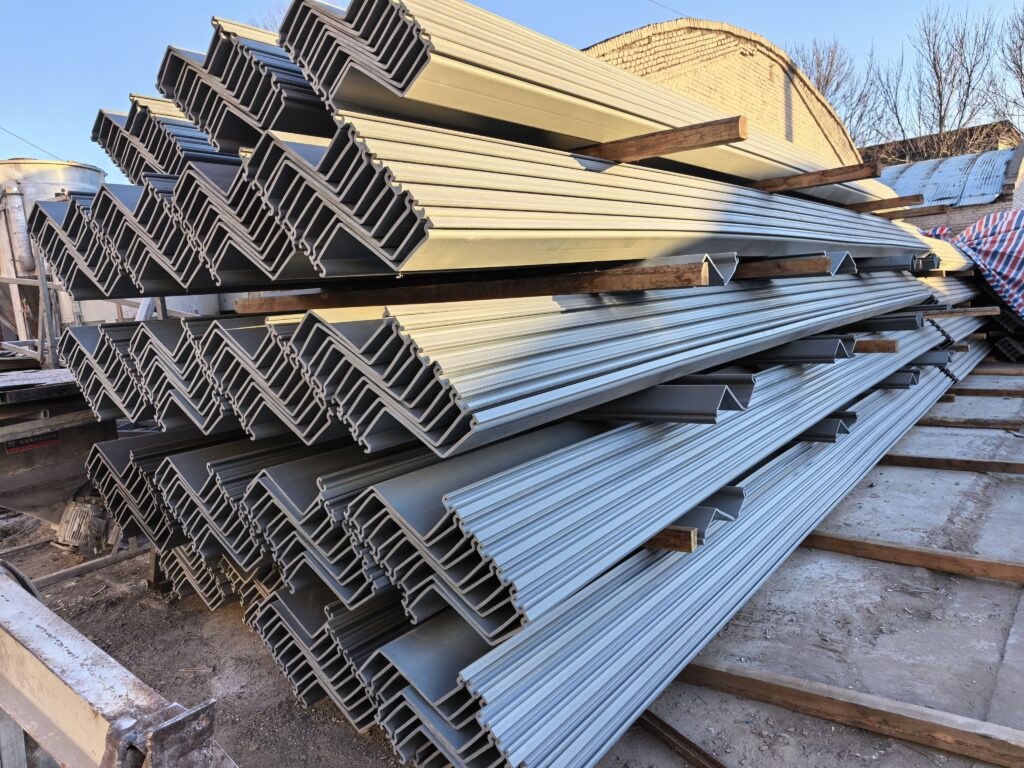
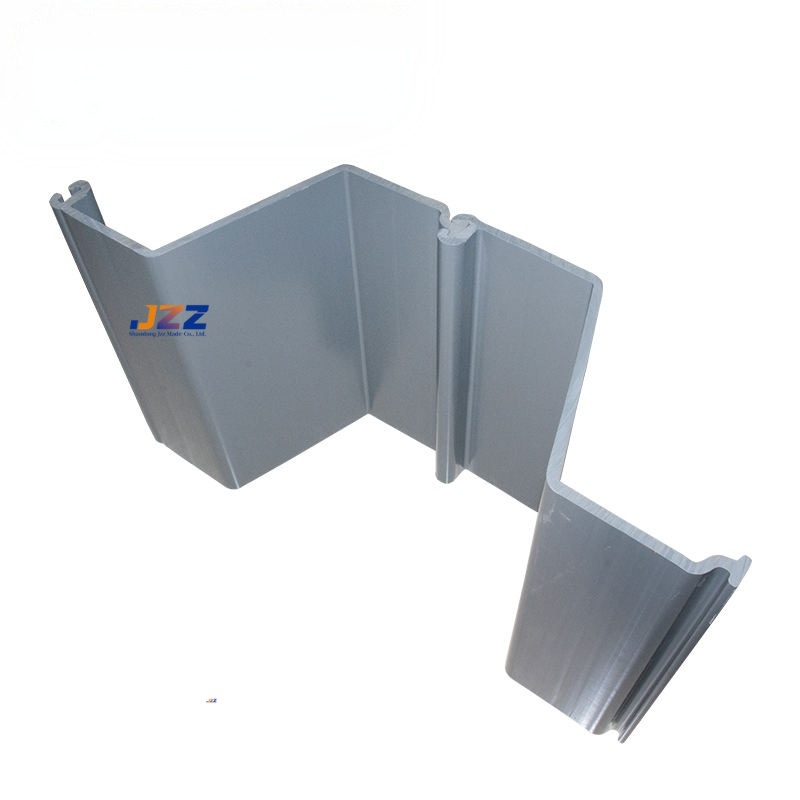
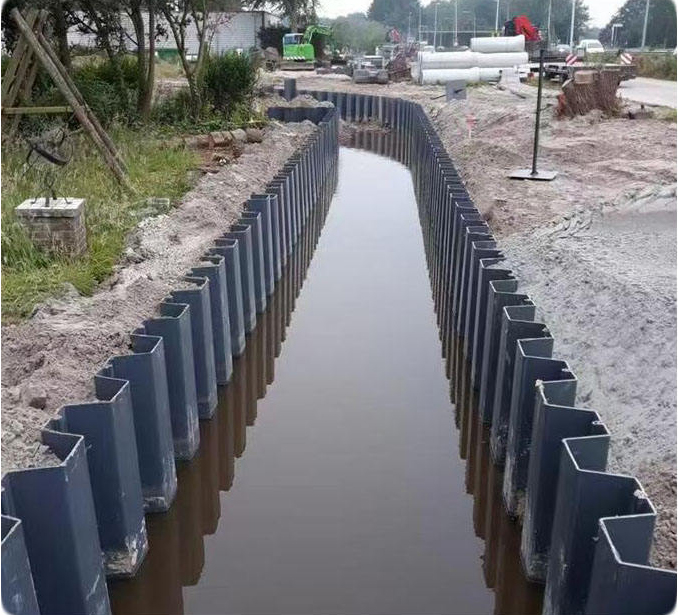
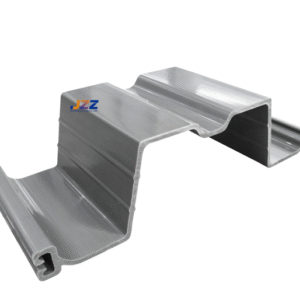
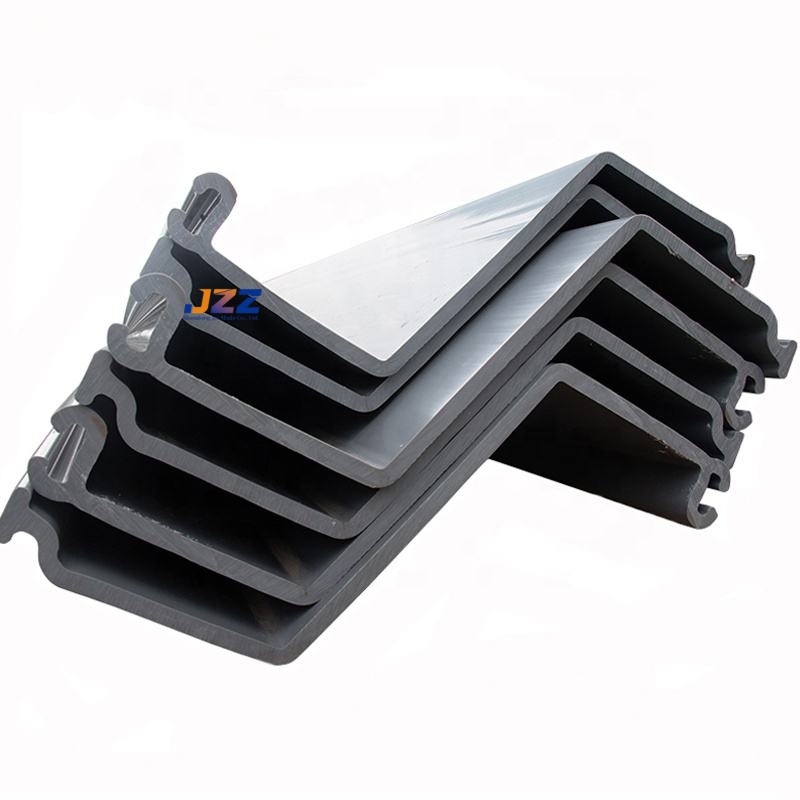
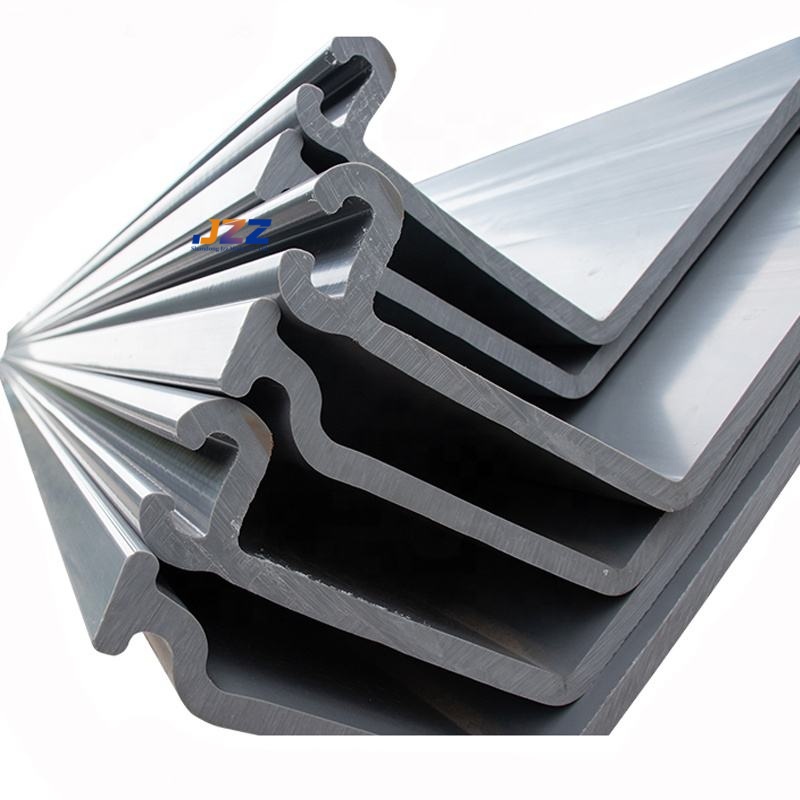
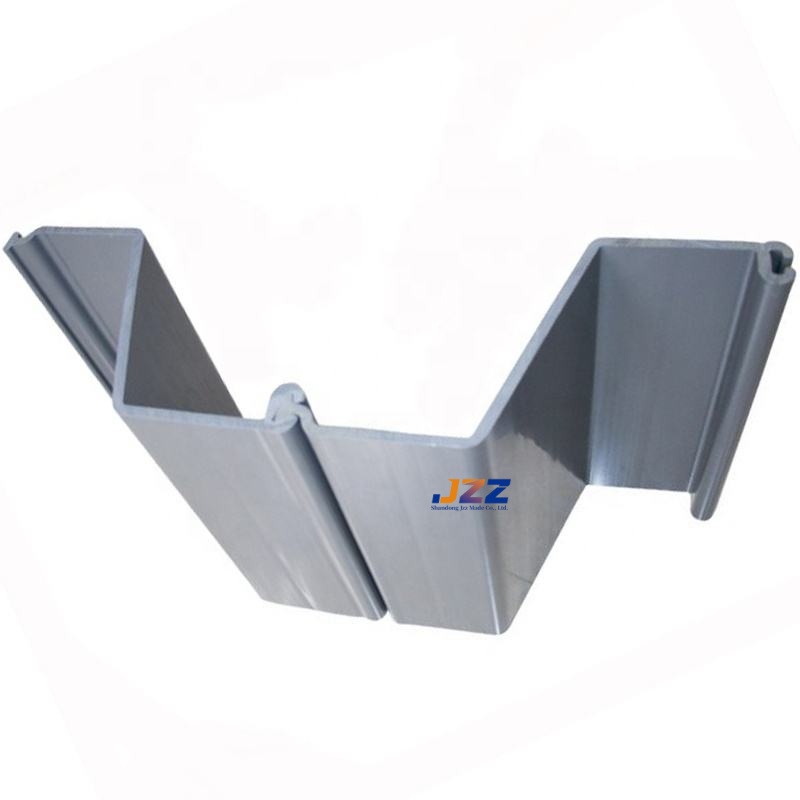
Polymer plastic steel sheet piles, as a new type of engineering protection material, precisely address the shortcomings of traditional materials. Manufactured using polymer composite materials as the core raw material through specialized processing techniques, they leverage their core advantages of “high strength and high corrosion resistance” to become the preferred choice for foundation pit support and riverbank protection. Simultaneously offering multiple benefits such as lightweight construction and ease of installation, these sheet piles boast a long service life, providing an efficient and environmentally friendly integrated protection solution.
Their high strength enables adaptation to complex conditions, completely overturning the perception that “plastics lack sufficient strength.” Third-party testing confirms compressive strength exceeding 15MPa and flexural modulus ≥2500MPa, along with impact resistance and wear resistance. In foundation pit support, they adapt to various soil conditions. The modular interlocking design ensures stable assembly without additional reinforcement, significantly simplifying construction.
For riverbank protection, its high strength withstands water flow, flood impacts, and vessel collisions without deformation or damage. Exceptional weather resistance ensures no degradation during prolonged outdoor use, reducing maintenance costs and guaranteeing project stability.
Exceptional corrosion resistance is its core advantage. Unlike traditional steel sheet piles, it requires no anti-corrosion treatment and withstands harsh environments like humidity, saline soil, and seawater. With a lifespan exceeding 50 years, it achieves “one-time installation, lifelong service,” eliminating safety hazards and maintenance costs caused by corrosion.
In foundation pit support, it resists various corrosive media, ensuring long-term stability. For riverbank protection, it adapts to sewage and coastal waterways, reducing maintenance while prioritizing environmental protection and avoiding chemical anti-corrosion pollution.
Additionally, its lightweight advantage is significant. Each unit weighs only 1/5 of steel sheet piles and 1/10 of concrete piles of the same specification. No heavy equipment is required, making it suitable for complex construction scenarios like narrow or remote sites. This solves material delivery challenges and lowers transportation and construction costs.
Easy installation significantly boosts efficiency. The standardized interlocking design eliminates welding and pouring, enabling rapid assembly. Single-unit installation takes only one-third the time of traditional materials, increasing construction efficiency by over 50%. Simple personnel training makes it suitable for complex projects with tight schedules.
The interlocking structure provides excellent water-stopping performance, eliminating the need for additional waterproofing measures. It effectively prevents seepage and water ingress, ensuring the stability of excavation pits and revetments. Compatibility with conventional construction equipment further reduces costs.
The product is eco-friendly, non-toxic, and recyclable. Production and installation cause no pollution. In river protection, it aligns with ecological restoration needs, achieving dual benefits of protection and ecological rehabilitation. At the end of its service life, it can be recycled, aligning with green development principles.
Leveraging these multiple advantages, it has been widely applied in various projects. Cases such as subway foundation pits and rural river management demonstrate its strengths in shortening construction periods, reducing costs, and enabling efficient, environmentally friendly construction.
Compared to traditional materials, its comprehensive advantages are prominent, making it a mainstream trend in engineering protection. As the industry evolves, its application scenarios will expand further into more complex fields such as coastal protection and chemical industrial parks.
In the future, with process upgrades, its performance and adaptability will continue to improve. More specification products will be introduced, practicing green concepts to provide higher-quality protection solutions for various engineering projects.