



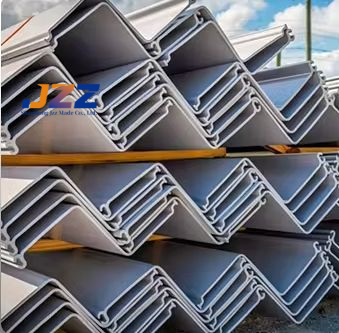
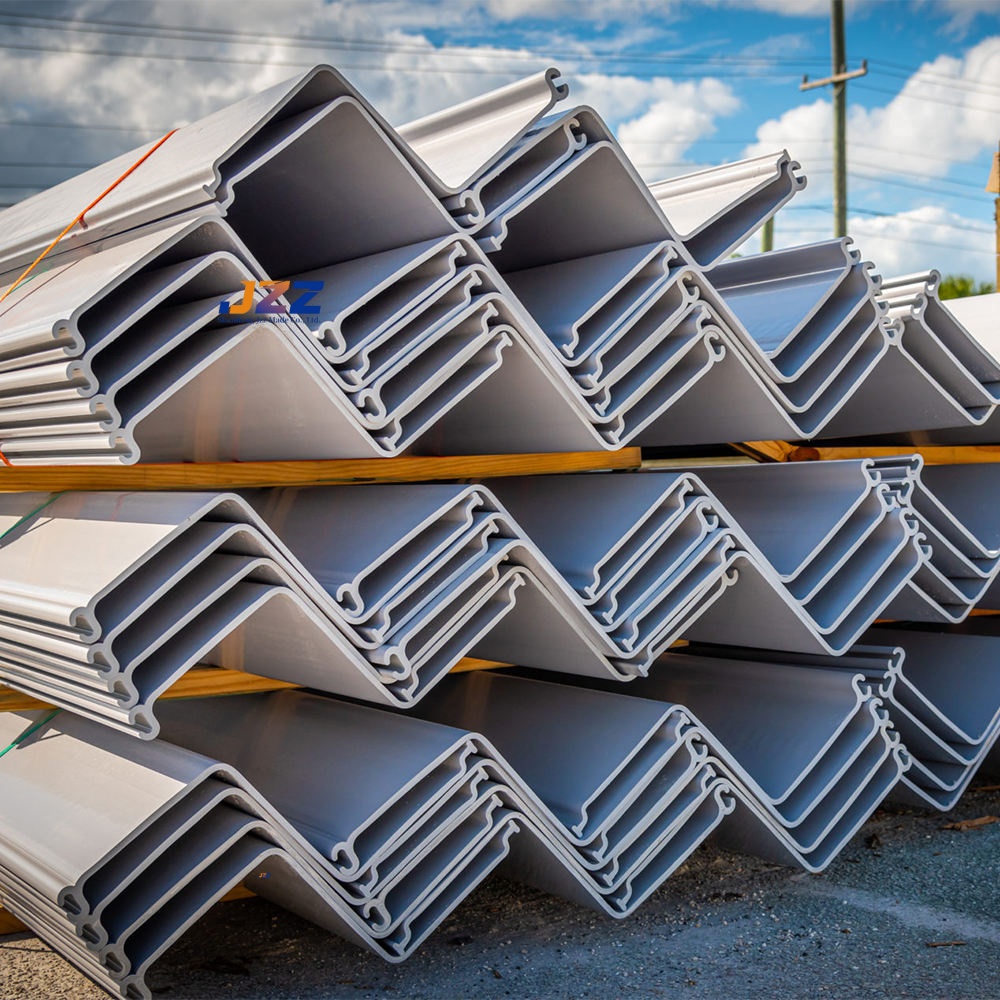
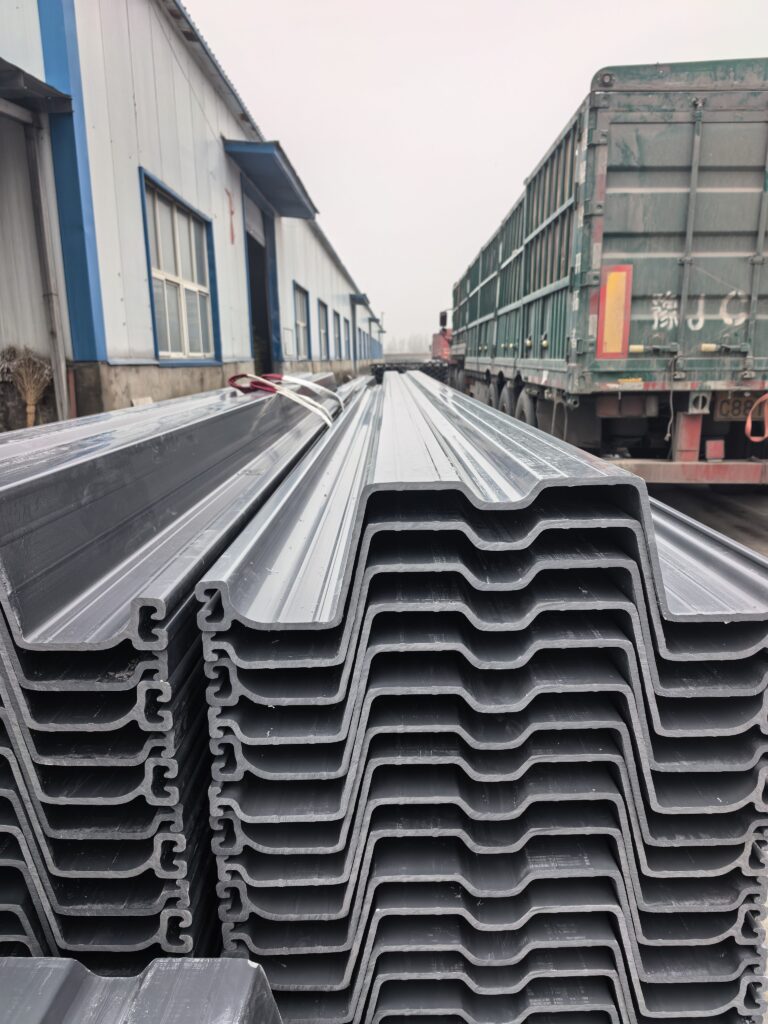
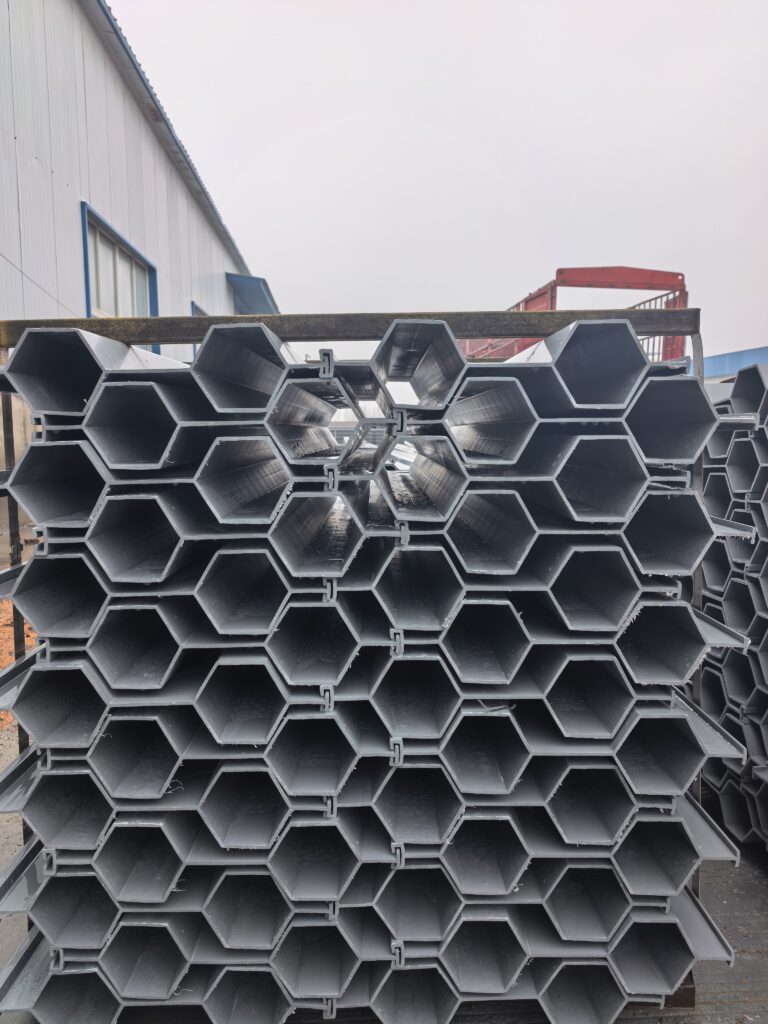
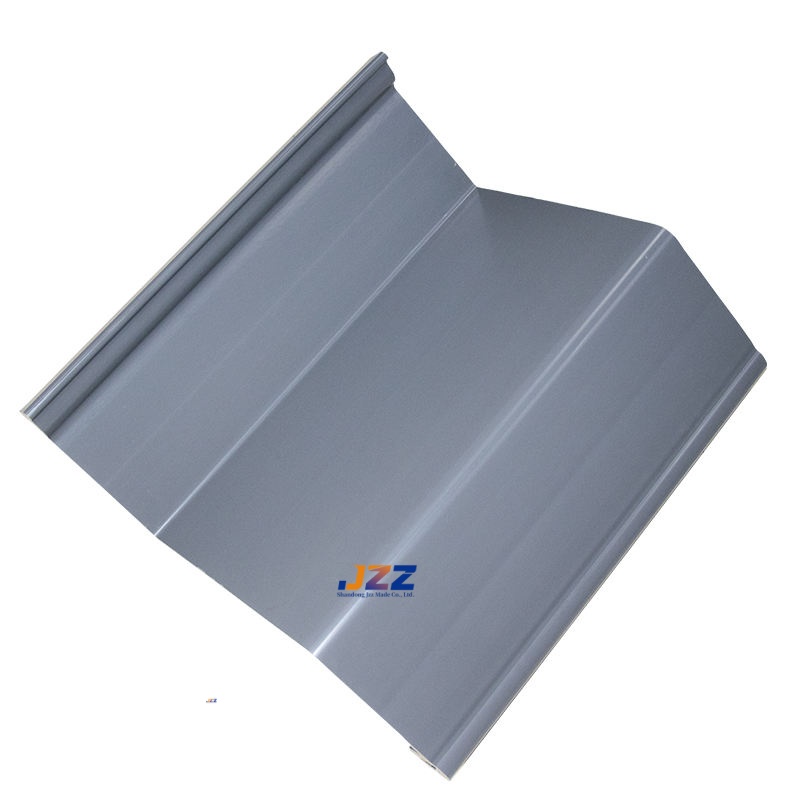
Core Advantages
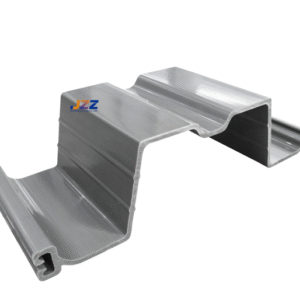
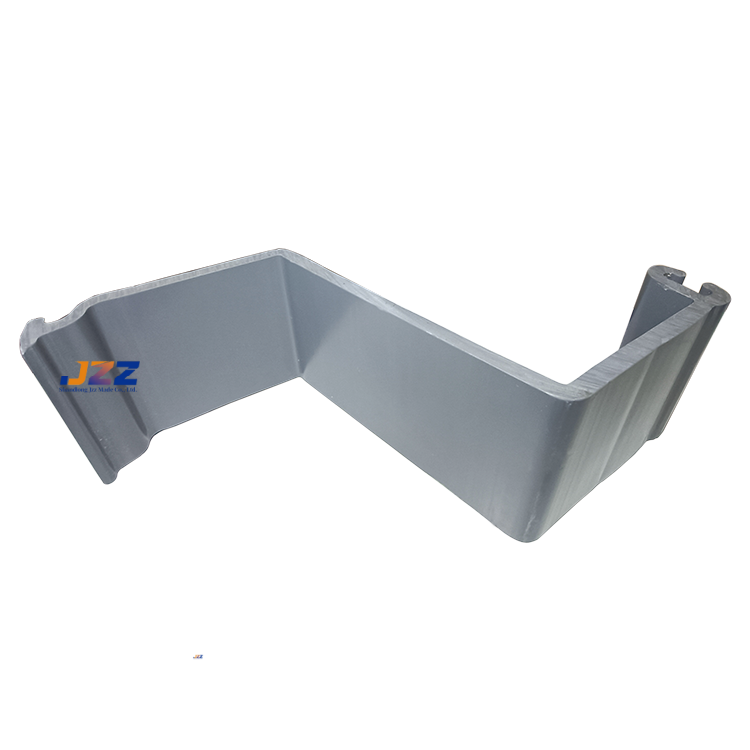
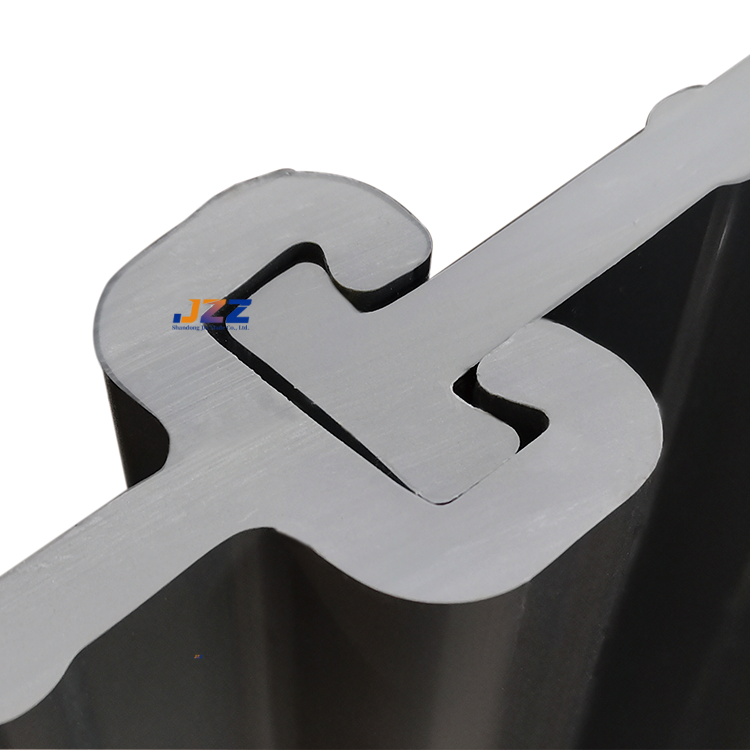
Exceptional Physical Properties: Tensile strength reaches 43-44 MPa, with flexural strength at 63-71 MPa—significantly surpassing conventional materials to withstand hydraulic impacts and flood pressures.
Superior Durability: Resistant to acids, alkalis, corrosion, and aging, with a service life exceeding 50 years and virtually maintenance-free.
Lightweight & Efficient Installation: Weighs only 1/8th of traditional steel sheet piles, with installation efficiency 10 times faster than conventional machinery, significantly reducing project timelines.
Eco-Friendly: Free from harmful substances like lead and plasticizers, causing no water or soil pollution, and fully recyclable.
Core Applications in Water Conservancy Projects
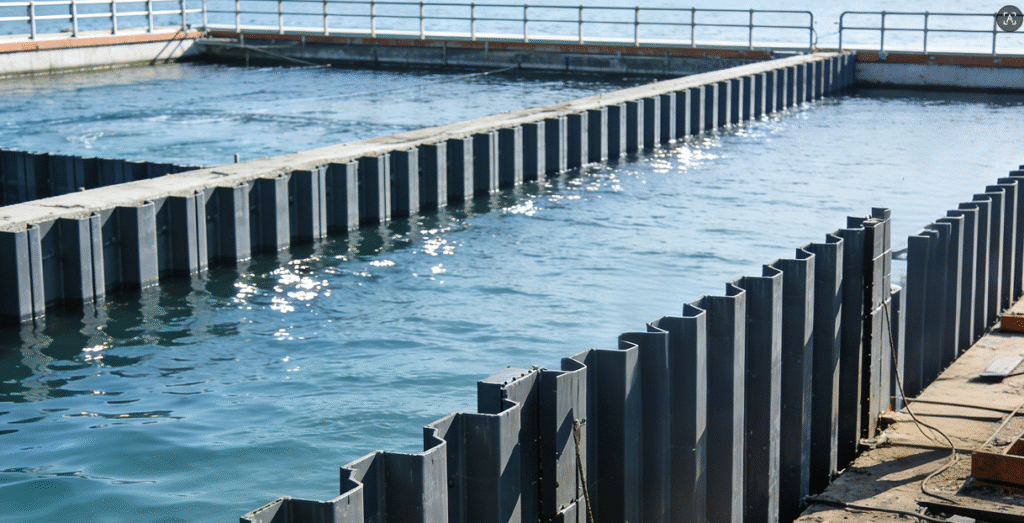
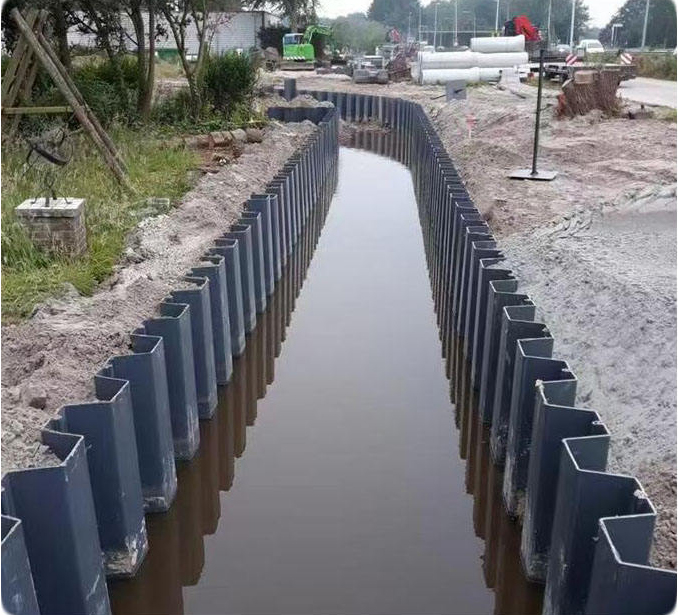
Riverbank Protection and Embankment Reinforcement: Forms continuous retaining structures to prevent bank collapse and soil erosion, while ecological pore designs provide habitats for aquatic life.
Flood Control and Storm Protection: Serves as flood walls or embankment height enhancements, effectively withstanding flood impacts and enabling rapid installation for emergency response.
Sluice Wing Walls and Excavation Support: Enhances wing wall stability with strong erosion resistance; suitable for cofferdam projects, providing stable support.
Reservoir and Channel Construction: Used for small-to-medium reservoir dam construction, irrigation channel slope protection, and riverbank reinforcement, preventing seepage and erosion.
Economy and Applicability
Cost Advantage: Total construction costs are 2/3 lower than traditional concrete structures, with overall cost savings reaching up to 30%.
Maintenance-Free: Highly corrosion-resistant, requiring no periodic maintenance and offering low long-term operational costs.
Wide Applicability: Suitable for diverse hydraulic engineering scenarios including river channels, seawalls, lakes, port and dock revetments, and underground impermeable walls.