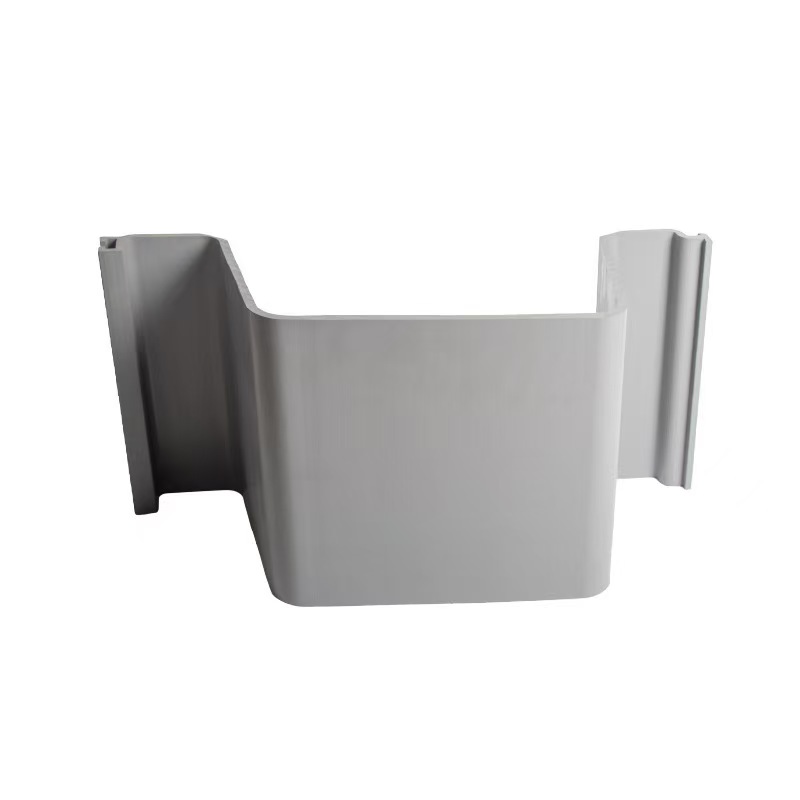
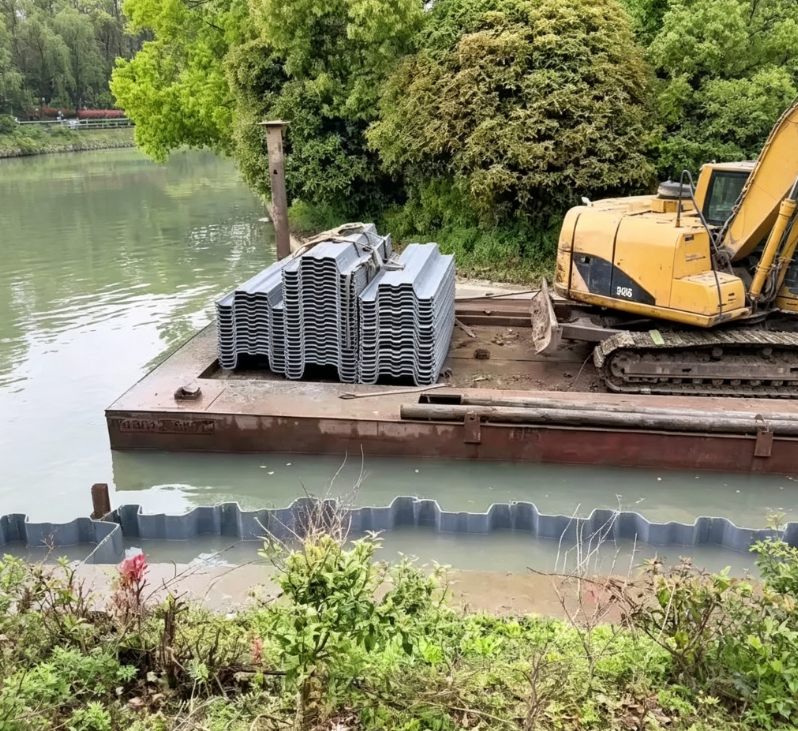
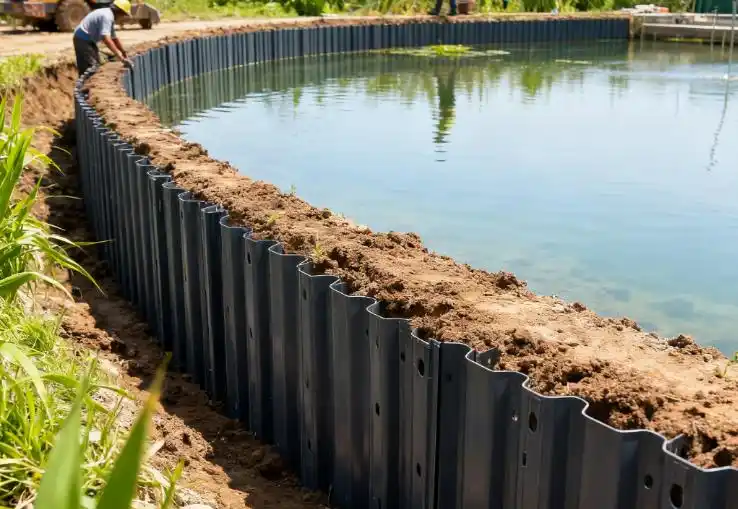
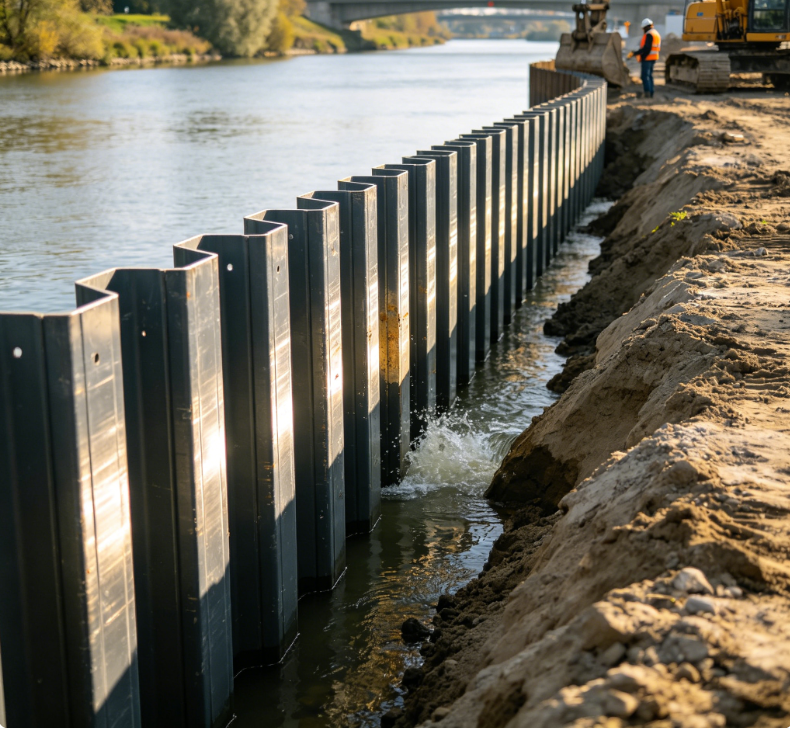
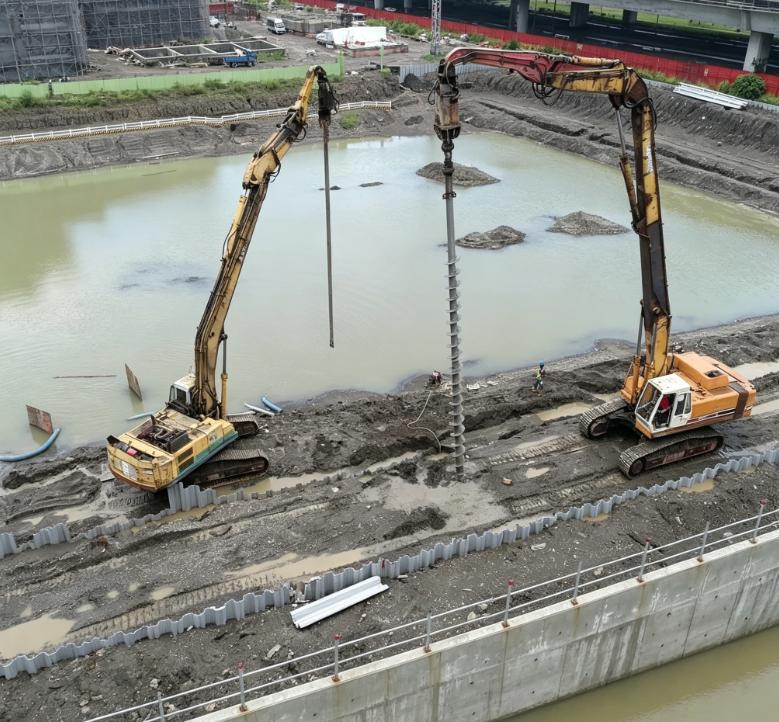
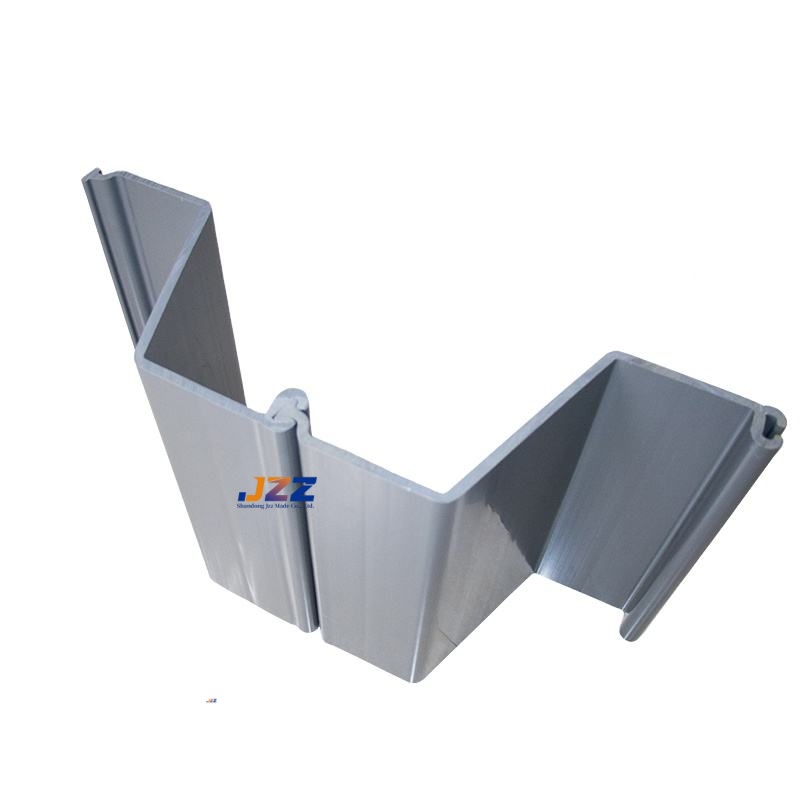
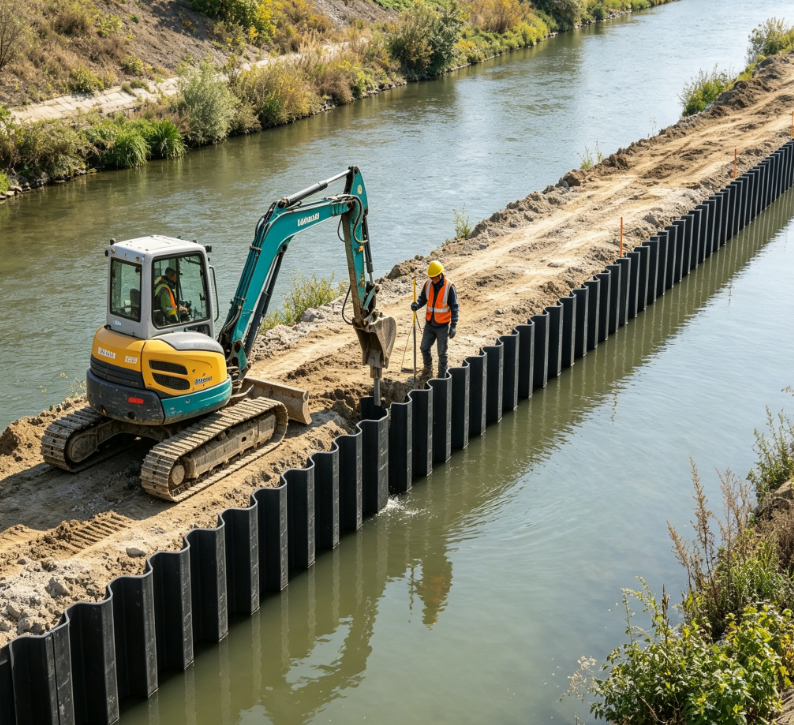
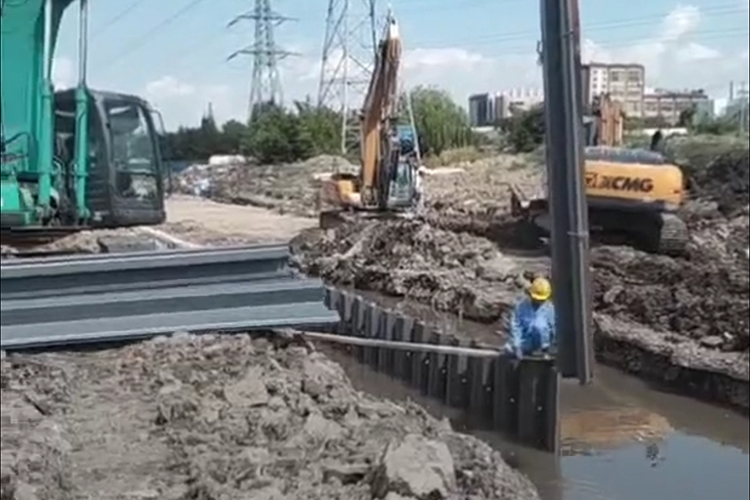
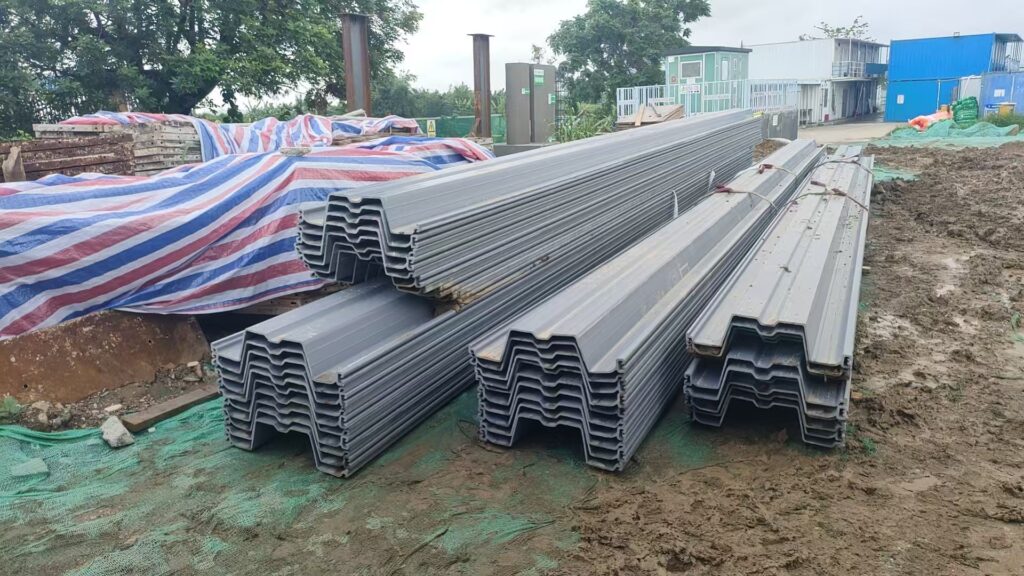
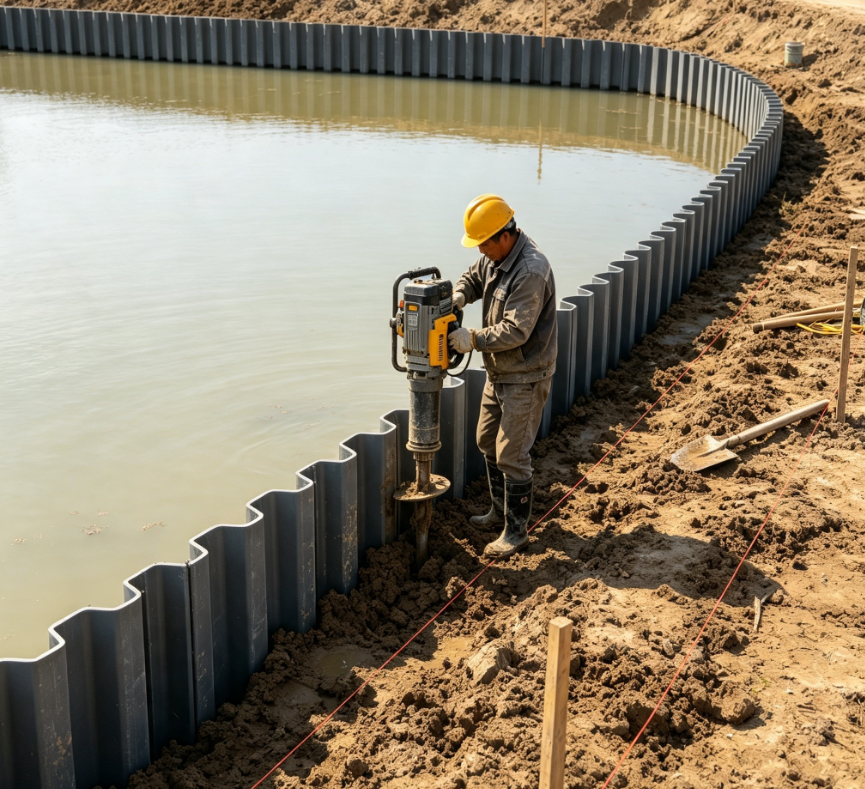
As China continues to advance river management, water system restoration, and levee upgrading projects, traditional concrete, masonry, and steel revetments have consistently revealed numerous shortcomings and are completely unable to meet the construction standards of modern green water conservancy. As a new-generation ecological revetment material, plastic-steel sheet piles rely on polymer composite modification processes to […]
Domestic river management projects are fully advancing ecological upgrades, and the industry is proactively phasing out a large number of traditional bank protection materials. Traditional steel sheet piles are highly susceptible to rust, requiring project owners to continuously invest substantial funds in maintenance; concrete bank protection disrupts the aquatic and terrestrial ecosystems, and construction companies […]
The water conservancy industry continues to drive the upgrading and evolution of ecological water conservancy projects toward low-carbon, eco-friendly, and precision-oriented approaches, proactively phasing out traditional bank protection and shoring materials that are heavy, prone to corrosion, and highly polluting. Our plastic-steel sheet piles, developed through technological innovation, offer outstanding core advantages—including lightweight design, high […]
The embankments of fish ponds and reservoirs directly affect aquaculture safety and bank stability. By choosing the right embankment material, you can effectively prevent problems such as seepage, slope collapse, and repeated repairs. Traditional embankment materials have obvious drawbacks, whereas plastic-steel sheet piles, thanks to their superior performance, have now become the preferred new material […]
We manufacture plastic-steel sheet piles using a high-temperature, high-pressure integrated molding process, achieving molecular-level fusion and curing of the material through high-temperature melting and high-pressure compression. By eliminating secondary bonding and segmental splicing processes, we fully preserve the structural continuity of the pile body and proactively eliminate structural defects such as delamination, peeling, and voids, […]
Introduction Water conservancy projects, river management, and excavation shoring have long faced a common challenge: traditional slope protection materials have a short service life and high maintenance costs in environments characterized by moisture, corrosion, and scouring. High-strength plastic-steel sheet piles, with their corrosion resistance, scour resistance, light weight, and rapid installation, are increasingly becoming the […]
Most aging river channels in urban and rural areas have long lacked systematic maintenance. Traditional bank protection methods—such as mortar-jointed stone, concrete, and earthen embankments—are highly prone to problems like collapse, seepage, and erosion damage. These issues continuously undermine the channels’ flood control and drainage capabilities while damaging the aquatic ecosystem and riverside landscape. To […]
In modern excavation shoring projects, construction companies are proactively moving away from outdated methods such as traditional concrete shoring and old-style steel sheet pile shoring, and are prioritizing the use of plastic-steel sheet piles as the core shoring material. Leveraging the multiple core advantages of this new composite retaining panel—including its lightweight design, ease of […]
Flooding during the flood season, bank erosion, and seepage in levees are the core challenges facing water conservancy and flood control projects. Traditional slope protection materials generally suffer from poor durability, low impact resistance, and high repair rates, making them ill-suited for the demands of long-term flood prevention and control operations. As a new type […]
In the aquaculture industry, the stability of embankments around fish ponds and marine aquaculture ponds, along with preventing water seepage, are critical to ensuring aquaculture profitability. Traditional slope protection methods for aquaculture ponds commonly suffer from issues such as water seepage, mud leakage, corrosion, aging, collapse, and deformation, which severely impact water quality stability, water […]
Leave Your Message